MEDINDIA
 English
 हिन्दी
 Español
 français
 中文
中文
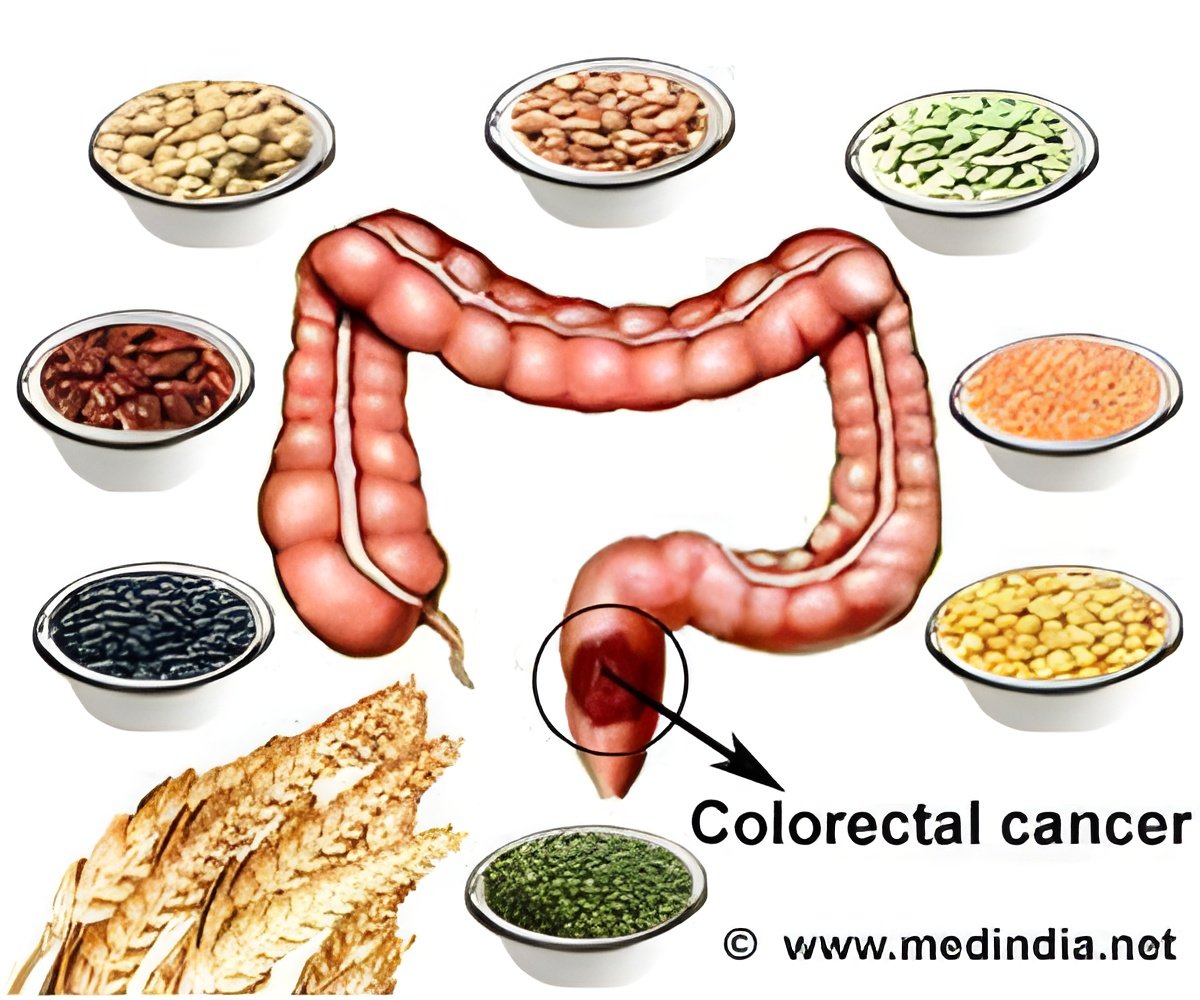
Dietary fiber, especially from whole grains and cereals, is associated with a decreased risk of colorectal cancer.
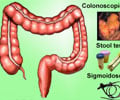
Colorectal Cancer Screening
Colorectal screening is done using tests to detect blood in stool, colonoscopy or sigmoidoscopy ordouble contrast barium enema or CT colonography.
Colorectal screening is done using tests to detect blood in stool, colonoscopy or sigmoidoscopy ordouble contrast barium enema or CT colonography.
Whole grains are not only a good source of dietary fiber, but also contain antioxidants, vitamins, minerals, phytate, phenolic acids, lignans and phytoestrogens which may contribute to their anticancer effect. They also contain large amounts of folate and magnesium, which have known anticancer effects. Their ability to reduce weight and improve insulin resistance may also play a role in reducing cancer risk.
A group of reviewers analyzed 21 previously published studies with more than 14,500 cases to establish the role of dietary fiber and whole grains in preventing the development of cancer. They found that there was a 10% reduction in risk of developing colorectal cancer for each 10 g/day intake of total dietary fiber and cereal fiber and about a 20% reduction for each three servings (90 g/day) of whole grain daily. Further reductions in risk were observed with higher intake.

Vegetables to Combat Colorectal Cancer
Vegetables like Brussels sprouts, cabbage, cauliflower and broccoli could help combat colorectal cancer (CRC).
Vegetables like Brussels sprouts, cabbage, cauliflower and broccoli could help combat colorectal cancer (CRC).
However, fibers from other sources like fruits, vegetables and legumes do not appear to show the same beneficial effect.
Colorectal Cancer - Types, Causes, Risk Factors, Symptoms, Diagnosis, Treatment, Prognosis & Prevention
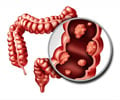
Colorectal cancer is a cancer that starts in the colon or the rectum. Colorectal cancer is the third most common cancer in men.
Colorectal cancer is a cancer that starts in the colon or the rectum. Colorectal cancer is the third most common cancer in men.
Reference:
Fiber up Your Meals
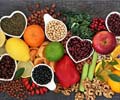
A high fiber diet and good water intake are essential for a stress free body. High-fiber foods prevent overeating and is also the key to maintaining a healthy weight.
A high fiber diet and good water intake are essential for a stress free body. High-fiber foods prevent overeating and is also the key to maintaining a healthy weight.
Source-Medindia
 Email
Email