MEDINDIA
 English
 हिन्दी
 Español
 français
 中文
中文
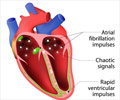
Atrial fibrillation is one of the leading causes of abnormal heart rhythm and an old drug calked Flecainide is safe to treat this condition.
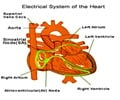
Arrhythmias - Palpitation - Causes - Types - Evaluation - Management
Palpitations are unpleasant sensation of one’s own heartbeat.
Palpitations are unpleasant sensation of one’s own heartbeat.
The long- term sustainable restoration of sinus rhythm (SR) has been well recognized with use of the drug Flecainide. However most doctors still avoid using the drug in treating these abnormal rhythm (or arrhythmia) and this has been due to the increased mortality attributed to this drug that was published in 1991 in a study called Cardiac Arrhythmia Suppression Trial (CAST)..
However the current research shows that it is safe to use this drug in AF provided the patient with AF has no left ventricular disease or coronary heart disease.

Six P’s to watch out in Atrial Fibrillation
Medindia lists down the six P’s to watch out in atrial fibrillation. Atrial fibrillation is common cardiac arrhythmia, it has no symptoms but associated with chest pain and congestive heart failure.
Medindia lists down the six P’s to watch out in atrial fibrillation. Atrial fibrillation is common cardiac arrhythmia, it has no symptoms but associated with chest pain and congestive heart failure.
Reference:
Source-Medindia

Study Finds Link between Atrial Fibrillation and an Increased Risk of Death in Diabetic Patients
Study shows link between diabetics who have an abnormal heart rhythm (atrial fibrillation) and an increased risk of other heart-related problems and death.
Study shows link between diabetics who have an abnormal heart rhythm (atrial fibrillation) and an increased risk of other heart-related problems and death.
 Email
Email