MEDINDIA
 English
 हिन्दी
 Español
 français
 中文
中文
Those with mutations in ANGPTL3 gene have lower triglyceride, cholesterol and LDL levels. Inactivating ANGPTL3 gene can reduce the risk of heart diseases.

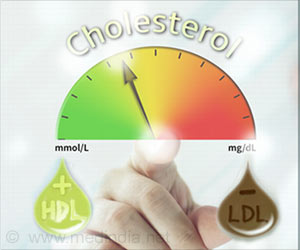
Cholesterol - Lipoproteins - Functions - Normal Blood Cholesterol Levels - Causes - Treatment - FAQs
Cholesterol is produced by the body (liver) and is essential for normal body functioning.
Cholesterol is produced by the body (liver) and is essential for normal body functioning.
TOP INSIGHT

Mutations that cause a loss of function in the gene for ANGPTL3 reduce blood triglycerides, LDL cholesterol, and risk of coronary heart disease.
A team led by Kiran Musunuru, MD, PhD, MPH, an associate professor of Cardiovascular Medicine, assessed in a mouse model whether base editing - a variation of CRISPR genome editing that does not require breaks in the double-strand of DNA - might be used in humans one day to introduce mutations into ANGPTL3 to reduce blood lipid levels.
"This proof-of-principle study showed that base-editing of ANGPTL3 is a potential way to permanently treat patients with harmful blood lipid levels," Musunuru said.

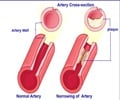
Natural Remedies for Cholesterol � How Effective Are They?
Certain natural remedies are effective in controlling high cholesterol, when aided by lifestyle changes.
Certain natural remedies are effective in controlling high cholesterol, when aided by lifestyle changes.
The study took a three-part approach. First, the team injected normal mice with the base-editing treatment for the Angptl3 gene. After a week, sequencing of the Angptl3 target site in liver samples from the mice revealed a median 35 percent editing rate in the target gene and no off-target mutations. In addition, the mean levels of blood lipids were significantly lower in the treated mice by up to 30 percent compared to untreated mice.

Foods to Avoid to Reduce High Cholesterol
List of food sources that have huge amounts of cholesterol and saturated fats bad for health. Cholesterol-rich foods article briefs about healthy eating tips, exercise, weight management.
List of food sources that have huge amounts of cholesterol and saturated fats bad for health. Cholesterol-rich foods article briefs about healthy eating tips, exercise, weight management.
After a week, Angptl3 targeting caused a similar reduction in cholesterol but a much greater decline in triglycerides compared to targeting Pcsk9. The PCSK9 protein is the target of currently available medications, including evolocumab, which has been shown to reduce cholesterol (but not triglycerides) as well as the risk of heart attack and stroke.
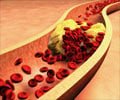
High Cholesterol | Hypercholesterolemia - Causes, Symptoms, Diagnosis & Treatment
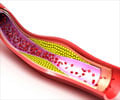
High cholesterol level in blood are a risk for heart disease and stroke. They get deposited in the wall of the arteries and clog the circulation posing a threat to life.
High cholesterol level in blood are a risk for heart disease and stroke. They get deposited in the wall of the arteries and clog the circulation posing a threat to life.
Musunuru's lab is now preparing to test CRISPR-based treatments against the human ANGPTL3 gene in human liver cells transplanted into mice. This will provide important information on efficacy and safety that will be needed before human trials can move forward.
Source-Eurekalert
 Email
Email