A mutation in a gene called Bub1 could lead to a condition that causes disorders like Down Syndrome, pregnancy loss, and infertility, according to a study led by an Indian-origin scientist at the University of Tennessee, Knoxville.
The condition, called aneuploidy, is an abnormal number of chromosomes.
Birth Defects - Genetic - Down Syndrome
Down’s syndrome, also referred by some, as ‘mongolism’ is a genetic condition that arises due to an extra copy of all or part of chromosome 21
Down’s syndrome, also referred by some, as ‘mongolism’ is a genetic condition that arises due to an extra copy of all or part of chromosome 21
Dr. Sundar Venkatachalam was originally studying the gene for a possible connection to colon cancer, when he found his lab mice showed strange fertility characteristics.
"Where you would normally expect a female to have eight to 10 pups, there were only one or two pups that survived to term in the litters of females that had one copy of Bub1. So this was unusual when we were looking for cancer effects, especially in this group of females," said Venkatachalam.

Infertility - Causes - Diagnosis - Treatment - FAQs
Infertility is a condition wherein couples fail to achieve pregnancy or if the woman has been unable to carry a pregnancy that results in a live birth.
Infertility is a condition wherein couples fail to achieve pregnancy or if the woman has been unable to carry a pregnancy that results in a live birth.
The researchers also found that the harmful effects of this mutation increased with a mother's age.
Advertisement

Miscarriage - Causes - Symptoms - Diagnosis - Treatment - FAQs
A miscarriage (spontaneous abortion) is the spontaneous loss of a fetus before the 20th week of pregnancy.
A miscarriage (spontaneous abortion) is the spontaneous loss of a fetus before the 20th week of pregnancy.
The same is true in humans-the chance of having an aneuploid pregnancy increases with the age of the mother.
Advertisement
Causes for genetic disorders
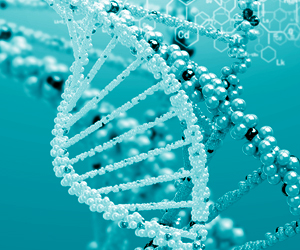
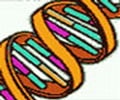
Genetic disorders are caused by changes in the structure or number of the chromosomes or in the DNA
Genetic disorders are caused by changes in the structure or number of the chromosomes or in the DNA
This checkpoint halts when Bub1 is mutated, sometimes producing an egg with an extra chromosome or an egg with a missing chromosome.
The team linked the issue to females by mating both a male with one bad copy of the gene with a normal female and a female with a bad copy of the gene with a normal male.
When the female carried the bad copy, there were fewer births.
Further research revealed this is because aneuploidy was generated in the egg and passed on to the single-cell zygote that forms when a sperm fertilizes an egg, which leads to the loss of the embryo.
"This work certainly points to Bub1 having a role in maternal age-induced fertility issues," said Venkatachalam.
The findings appear in the online early edition of the Proceedings of the National Academy of Sciences.
Source-ANI
LIN