Taking a crucial step towards stem cell therapies, scientists have revealed that our bodies' ability to respond to an internal 'mayday' signal may ultimately pave the way for long-awaited regenerative medicine.
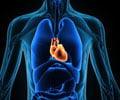
The study from the University of Bristol has brought stem cell therapies for heart disease one step closer.
Usually healthy people experience reduced oxygen supply in certain situations, like, after an injury. The affected tissues release chemical messengers that 'call' to a type of circulating stem cells (EPCs) for help to re-establish blood supply via the growth of new blood vessels.
Now, the researchers have found that kinins, believed to be inflammatory substances, are among the messengers supporting blood vessel growth.

In patients with angina, EPCs cannot respond to the distress call because they lack a kinin sensor (the 'kinin receptor') on their surface. The oxygen-starved tissue is therefore left with reduced blood supply.
Advertisement

Animation of heart attack symptoms
Heart attack can cause symptoms such as Chest pain or discomfort, Shortness of breath and pain in neck, back, arm, or shoulder and is due to blockage of blood supply to the heart muscles
Heart attack can cause symptoms such as Chest pain or discomfort, Shortness of breath and pain in neck, back, arm, or shoulder and is due to blockage of blood supply to the heart muscles
"Our findings showed that heart attack patients possess the functional cells needed to repair blood supply to their heart, but they're hidden amongst a muddle of others," said Dr Krankel.
Advertisement
Dr Krankel added: "In previous clinical stem cell trials, a mixture of different types of cells were used. We've used kinin like a magnet to attract and extract the most effective repair cells from the mass of different types. This enriched sample should increase the therapeutic potential, especially in heart attack patients where quick and efficient treatment is crucial for long term outcome."
Professor Jeremy Pearson, Associate Medical Director of the British Heart Foundation said: "The team have made fascinating discoveries about our DIY repair systems and have translated them into practical use. They've intelligently employed the body's own strategies to develop a method that may take us a step closer to truly effective stem cell therapies for heart patients."
The study was published in Circulation Research.
Source-ANI
SRM