
Cigarette Smoking - A Silent Killer-Facts, Passive Smoking & How to Quit
Smoking kills the smoker silently, pushing him towards serious illnesses, which slowly lead to death.
Smoking kills the smoker silently, pushing him towards serious illnesses, which slowly lead to death.
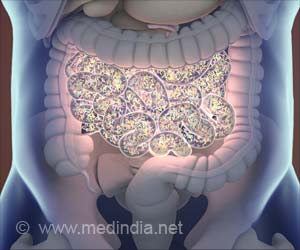
The risk of pancreatic duct cell dysfunction was 56.78 percent in former or current smokers and 26.32 percent in nonsmokers, according to Vivek Kadiyala, MD, who presented the findings. "Our data suggests the risk of duct cell dysfunction was doubled in patients who smoked compared to nonsmokers," said Dr. Kadiyala.
"These findings indicate that anyone with a history of smoking, either current or past is at greater risk of impaired pancreatic duct cell function," said Dr. Kadiyala. "Additionally, the findings underscore the value that early smoking cessation may have for patients with chronic pancreatitis and as a result healthcare providers should advise patients to quit smoking as part of their overall treatment plan."Elevated Colorectal Cancer Risk for Women, Even After Smoking CessationEven after women quit smoking they are still at an increased risk for colorectal cancer, according to researchers at the University of Connecticut who examined the risk of advanced neoplasia in 2428 male and female patients over age 45 who have quit smoking.

Smoking among Women / Rise in Tobacco Usage in Women
Tobacco use in women is on the rise. The health risks of tobacco are far too many has never done a woman any good psychologically or health-wise.
Tobacco use in women is on the rise. The health risks of tobacco are far too many has never done a woman any good psychologically or health-wise.
"The risk of advanced neoplasia was significantly elevated for women and men whether they were current smokers and/ or former smokers who quit within five years of screening colonoscopy," said Joseph C. Anderson, MD, FACG, also of the White River Junction VA Medical Center in Vermont, who presented the findings. "The risk was elevated for female smokers who quit six to ten years prior to screening but not for male smokers."
Advertisement

Health Hazards of Smoking Cigarettes
Smoking causes many diseases and affects the overall health of smokers.
Smoking causes many diseases and affects the overall health of smokers.
Source-Eurekalert

Smoking and Cancer - Causes - Passive Smoking - FAQs - Video
Smoking is the most important preventable cause of cancer in the world.
Smoking is the most important preventable cause of cancer in the world.