MEDINDIA
 English
 हिन्दी
 Español
 français
 中文
中文
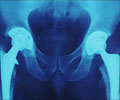
Treating young athletes with chronic hip pain may be the key to halting the progression of degenerative hip disease.


Back Pain - Backache - Workplace - Prevention - Exercises
Understanding the basics about our back and our posture is very important in preventing back pain and improving workplace productivity.
Understanding the basics about our back and our posture is very important in preventing back pain and improving workplace productivity.
In a recent online interview on the subject of adolescents and children with hip pain, Dr. Sink hoped to help patients, parents, coaches, physicians, and others to better understand the implications of chronic hip pain and its role in hip disease. Increasingly, early treatment of chronic hip pain in young athletes and performers may have a long term impact on the health and mobility of the hip. With improved imaging techniques and a careful physical evaluation, it is simpler to diagnose some of the more subtle problems that cause hip pain. These more accurate diagnostic capabilities combined with improved treatments make it possible for hip specialists to slow or halt the progression of degenerative hip disease, return patients to their chosen activities, and sometimes reduce the need for more extensive surgeries.
An occasional ache in the groin or hip may not be something about which a parent or young athlete should be concerned, explained Dr. Sink. But, chronic pain that does not improve should be evaluated by a surgeon who sees hip problems on a day-to-day basis. Such hip pain occurs in young women and young men who place stress on their hips with sports (especially in dancers, hurdlers or baseball catchers) because these individuals’ activities involve the hip moving beyond its normal constraints.With more than 44 million children and adolescents participating in sports nationwide, it’s important for parents, coaches and dance instructors to know what to look for in young athletes and performers who may be at risk:
• An adolescent with chronic hip or groin pain that is interfering with their sports or performing.
• A history of hip problems in the family.
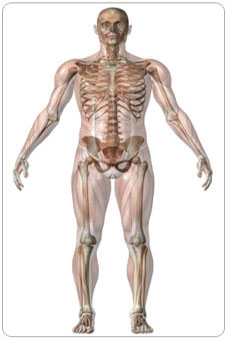
Facts about Skeletal System / Know your skeletal System
Human skeletal system is composed of more than 206 bones and 650 muscles that protect our organs. Click here for more interesting facts about human skeletal system.
Human skeletal system is composed of more than 206 bones and 650 muscles that protect our organs. Click here for more interesting facts about human skeletal system.
• The difference between growing pains and chronic hip pain. Growing pains usually occur in children under the age of 10 and take the form of pain in the legs, knee and hips at night after a day of activity. The following day, however, the child is usually up and active. Chronic hip pain prevents a child from participating in activities at their usual level of intensity.

Severe Hip Pain Effectively Treated by Ultrasound-guided Cortisone Jabs
Cortisone injections guided by ultrasound, can effectively treat gluteus medius tendinopathy, shows a new study.
Cortisone injections guided by ultrasound, can effectively treat gluteus medius tendinopathy, shows a new study.
Dr. Sink performs a range of hip surgical procedures, including hip osteotomy, Ganz or periacetabular osteotomy (PAO) and surgical hip dislocation. Conditions for which young patients are commonly referred to Dr. Sink include hip dysplasia in all ages including developmental dysplasia of the hip (DDH), labral tears, femoroacetabular impingement, Perthes disease and slipped capital femoral epiphysis (SCFE).
Sometimes if too much time goes by and a patient is living with this pain on an ongoing basis, when they finally do come to us, we look at the radiograph and it’s too late to do anything effective, Dr. Sink continued. Through education of other physicians, parents, coaches and instructors about what to look for, hip conditions can be managed with effective treatments specific to a patient’s particular problem.
Source-Newswise
 Email
Email