Top 10 Amazing Brain Facts
The brain is the most amazing and complex organ in this universe and has billions of nerve cells called as neurons. Medindia brings to you the top 10 amazing brain facts.
The brain is the most amazing and complex organ in this universe and has billions of nerve cells called as neurons. Medindia brings to you the top 10 amazing brain facts.
NCLs, while rare in humans, are most common in children, although an adult-onset form of the disease - known as Kufs' disease - does occur.
In this adult disease, neurons within the brain gradually die, causing loss of vision, epilepsy, dementia and loss of coordination.

Brilliant Human Brain
The most amazing and complex organ in the entire universe, the human brain continues to remain an enigma.
The most amazing and complex organ in the entire universe, the human brain continues to remain an enigma.
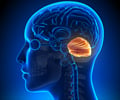
The disease kills the neurons in the cerebellum, which controls balance. Over time, the cerebellum shrinks, motor control deteriorates, and the patient dies or is euthanized.
Advertisement

Brain Depression
Interactive section of Medindia provides information about chemistry of Brain depression
Interactive section of Medindia provides information about chemistry of Brain depression
The results has been published in the Aug. 17 issue of the Proceedings of the National Academy of Sciences.
Advertisement

Understanding Brain Death
Interactive section of Medindia helps us in better understanding of Brain Death
Interactive section of Medindia helps us in better understanding of Brain Death