MEDINDIA
 English
 हिन्दी
 Español
 français
 中文
中文
Water births are no more risky than land births and that women in the water group sustain fewer first and second-degree tears, reveals study.
About Pregnancy
Detailed look at Early pregnancy Symptoms and easy health solutions during 1st, 2nd and 3rd trimester of pregnancy. With an addition of an online pregnancy due date calculator.
Detailed look at Early pregnancy Symptoms and easy health solutions during 1st, 2nd and 3rd trimester of pregnancy. With an addition of an online pregnancy due date calculator.
TOP INSIGHT

They are birthed in the water, brought out almost immediately, and they're careful to not re-submerge them.
Read More..
Ruth Zielinski, clinical associate professor of nursing and study co-author, said more facilities should offer water birth and have guidelines for implementing it.
In water birth, the woman gives birth in a water-filled tub rather than a bed. Few US hospitals or birth centers offer tub births because of perceived risk to the newborn, mainly suggested by case studies of neonatal infections or cord tearing.
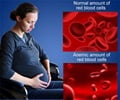
Anemia in Pregnancy - Causes Prevention Symptoms Diagnosis Treatment
Anemia is the commonest blood disorder that may occur in pregnancy and is usually due to low iron or folate reserves of the body and this is reflected as anemia.
Anemia is the commonest blood disorder that may occur in pregnancy and is usually due to low iron or folate reserves of the body and this is reflected as anemia.
During a water birth, babies take their first breath when removed from the tub. Until then, their lungs are filled with water, which is displaced when they hit the air and breathe. The connected umbilical cord provides oxygen.
AIDS and Pregnancy - Treatment - Caring HIV Babies
The Acquired immune deficiency syndrome is brought about by the deadly human immunodeficiency virus. In the USA alone an estimate of 120,000 - 160,000 women are HIV- infected.
The Acquired immune deficiency syndrome is brought about by the deadly human immunodeficiency virus. In the USA alone an estimate of 120,000 - 160,000 women are HIV- infected.
Zielinski said more studies are needed to understand the satisfaction level of women who have water births.

Air travel: To fly or not to fly: Heart Disease - DVT - Pregnancy - Diabetes - Ear Aches
Air travel is for everyone, even those with medical conditions.
Air travel is for everyone, even those with medical conditions.
 Email
Email