MEDINDIA
 English
 हिन्दी
 Español
 français
 中文
中文
As per the recent analysis, Vitamin C administration shortened the duration of mechanical ventilation in critical care patients, but the effect depended on the severity of illness.
TOP INSIGHT

On average, vitamin C administration shortened ventilation time by 14%, but the effect of vitamin C depended on the duration of ventilation.
Critical care patients often have very low vitamin C plasma levels. In healthy people, 0.1 grams per day of vitamin C is usually sufficient to maintain a normal plasma level. However, much higher doses, in the order of grams per day, are needed for critically ill patients to increase their plasma vitamin C levels to within the normal range. Therefore, high vitamin C doses may be needed to compensate for the increased metabolism in critically ill patients.
Harri Hemilä from the University of Helsinki, Finland, and Elizabeth Chalker from the University of Sydney, Australia, carried out a systematic review of vitamin C for mechanically ventilated critical care patients. They identified 9 relevant controlled trials, and 8 of them were included in the meta-analysis.
On average, vitamin C administration shortened ventilation time by 14%, but the effect of vitamin C depended on the duration of ventilation. Patients who are more seriously ill require longer ventilation than those who are not as sick. Therefore, Hemilä and Chalker hypothesized that the effect of vitamin C might be greater in trials with sicker patients who need longer ventilation.
Vitamin C had no effect when ventilation lasted for 10 hours or less. However, in 5 trials including 471 patients who required ventilation for over 10 hours, dosage of 1 to 6 g/day of vitamin C shortened ventilation time on average by 25%.
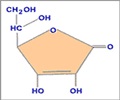
Vitamin C / Ascorbic acid-Toxicity-Supplements-Vitamin B6-Vitamin B9-Vitamin B12
Vital info about vitamin C, its molecular structure, dietary sources, beneficial aspects, symptoms of deficiency and toxicity, supplementation tips and related research news are discussed in detail
Vital info about vitamin C, its molecular structure, dietary sources, beneficial aspects, symptoms of deficiency and toxicity, supplementation tips and related research news are discussed in detail
 Email
Email