MEDINDIA
 English
 हिन्दी
 Español
 français
 中文
中文
Percutaneous coronary intervention (PCI) is not a generally accepted option for infants or toddlers with acute coronary syndrome.
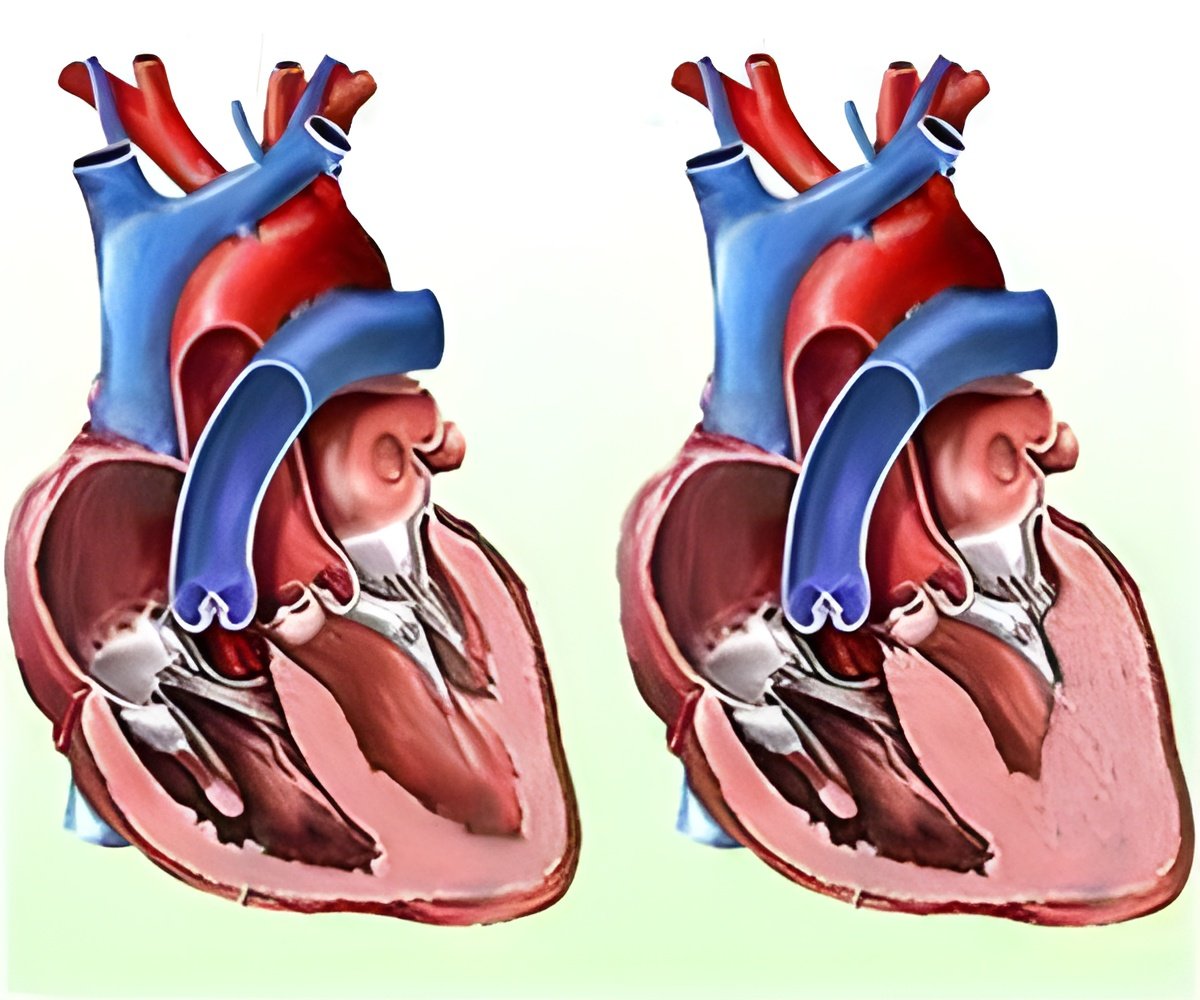
Unprotected Left Main Coronary Artery PCI With Drug-Eluting Stents Shows Positive Results
New research shows that patients with normal left ventricular function who undergo elective unprotected percutaneous coronary intervention (PCI) with drug-eluting stents (DES) had favorable outcomes.
New research shows that patients with normal left ventricular function who undergo elective unprotected percutaneous coronary intervention (PCI) with drug-eluting stents (DES) had favorable outcomes.
In all seven cases, successful stent placement in the proximal portion of the left or right coronary arteries with excellent revascularization was achieved. The average diameter of the heart arteries was 0.65 mm prior to the intervention. Balloon angioplasty did not completely resolve the stenosis and bare metal stents were then implanted to a mean internal diameter of 2.5 mm. The team determined that the average intervention-free period was 434 days after stent implantation. Restenosis and thrombosis did not occur in cases where the implanted stent diameter was greater than 2.5 mm and patients received dual anti-platelet therapy.
"We provide evidence that stent implantation is a relatively safe option for pediatric patients with coronary stenosis, including those under the age of 15 months," said Dr. Bratincsák. "PCI offers a viable strategy for bridging infants and toddlers with blocked arteries or poor ventricular function to surgical revascularization or transplantation when they are at an older age."

Aortic Stent Grafts Associated With High Early Mortality: Study
Abdominal debranching with aortic stent grafts is linked with high rate mortality, says study.
Abdominal debranching with aortic stent grafts is linked with high rate mortality, says study.
Source-Eurekalert
Increased Risk of Kidney Disease Linked to Persistent, Microscopic Blood in Urine
A study in JAMA says that adolescents and young adults who had persistent, microscopic blood in their urine (hematuria) were more likely to develop end-stage renal disease
A study in JAMA says that adolescents and young adults who had persistent, microscopic blood in their urine (hematuria) were more likely to develop end-stage renal disease
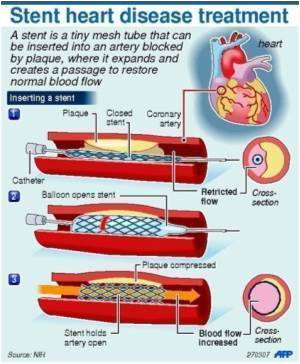
Benefits in Selective Use of Drug-eluting Stents
Limiting the use of drug-eluting stents to a selected group of patients saves money and do not increase death or heart attack risk.
Limiting the use of drug-eluting stents to a selected group of patients saves money and do not increase death or heart attack risk.
 Email
Email