MEDINDIA
 English
 हिन्दी
 Español
 français
 中文
中文
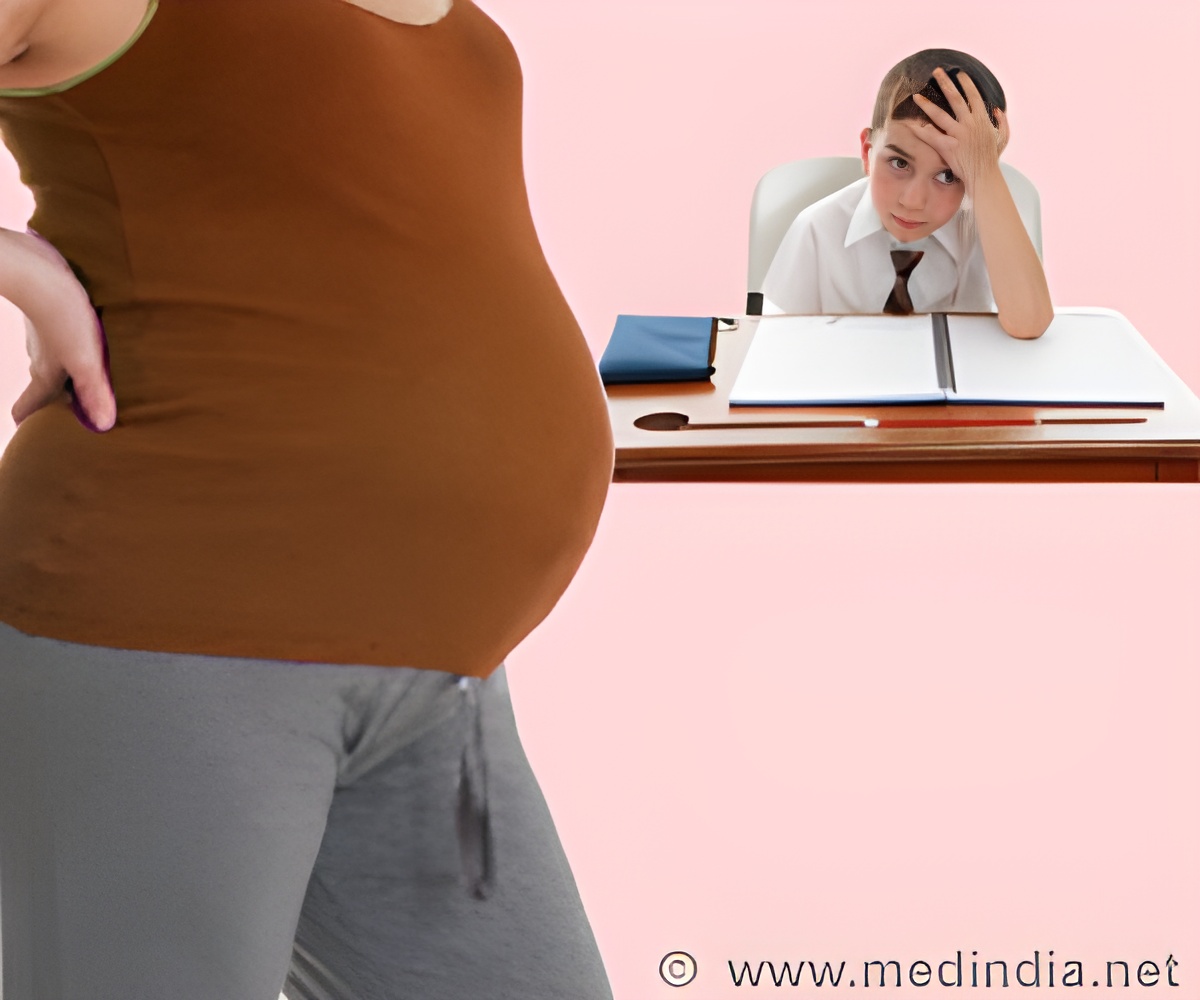
Though there isn’t a casual link other than the socioeconomic status of the mother, the child is at risk of depression.

Top Tips to Lose Weight Fast After Pregnancy
Losing baby weight is as important as any weight loss program and the best way to lose baby weight is to incorporate a healthy diet and exercise program.
Losing baby weight is as important as any weight loss program and the best way to lose baby weight is to incorporate a healthy diet and exercise program.
TOP INSIGHT

Depression in children born due to unintended pregnancy is associated with the mother’s economic background and lack of assess to services.
"In fact, I think it's an important characteristic of the family environment that contextualizes the child's development. It's an indicator of the importance of social resources over the developing life course."
Just over one-third of all births in the U.S. are unintended, a particularly high figure compared to other developed countries. As a sociologist, Su says her immediate questions center on the causes and consequences.
What Medical Tests should you expect during Your Pregnancy?
Prenatal tests are carried out during pregnancy to ensure a healthy pregnancy and detect birth defects.
Prenatal tests are carried out during pregnancy to ensure a healthy pregnancy and detect birth defects.
Existing research has established that children resulting from unintended pregnancies generally have poorer health and development than children from intended pregnancies. Their mothers are less likely to get timely prenatal care and they may have poor parent-child relationships.

Home Pregnancy Test - Principle - Advantages - Perform - FAQs
A home pregnancy test is a test done to find out if one is pregnant or not in the relative comforts of the home.
A home pregnancy test is a test done to find out if one is pregnant or not in the relative comforts of the home.
Su said, "Even though the causal link isn't there, being the child of an unintended pregnancy still makes a difference," says Su. "That difference is likely to be more than the result of pregnancy status."
Obesity during Pregnancy: Know the Risks
Women with a body mass index >30 are obese and are at a higher risk for gestational diabetes during pregnancy. Macrosomia and birth defects are risks seen in the babies.
Women with a body mass index >30 are obese and are at a higher risk for gestational diabetes during pregnancy. Macrosomia and birth defects are risks seen in the babies.
 Email
Email