MEDINDIA
 English
 हिन्दी
 Español
 français
 中文
中文
Survivors of childhood cancers are particularly susceptible to HPV infection due to their weakened immune system and are vaccinated.
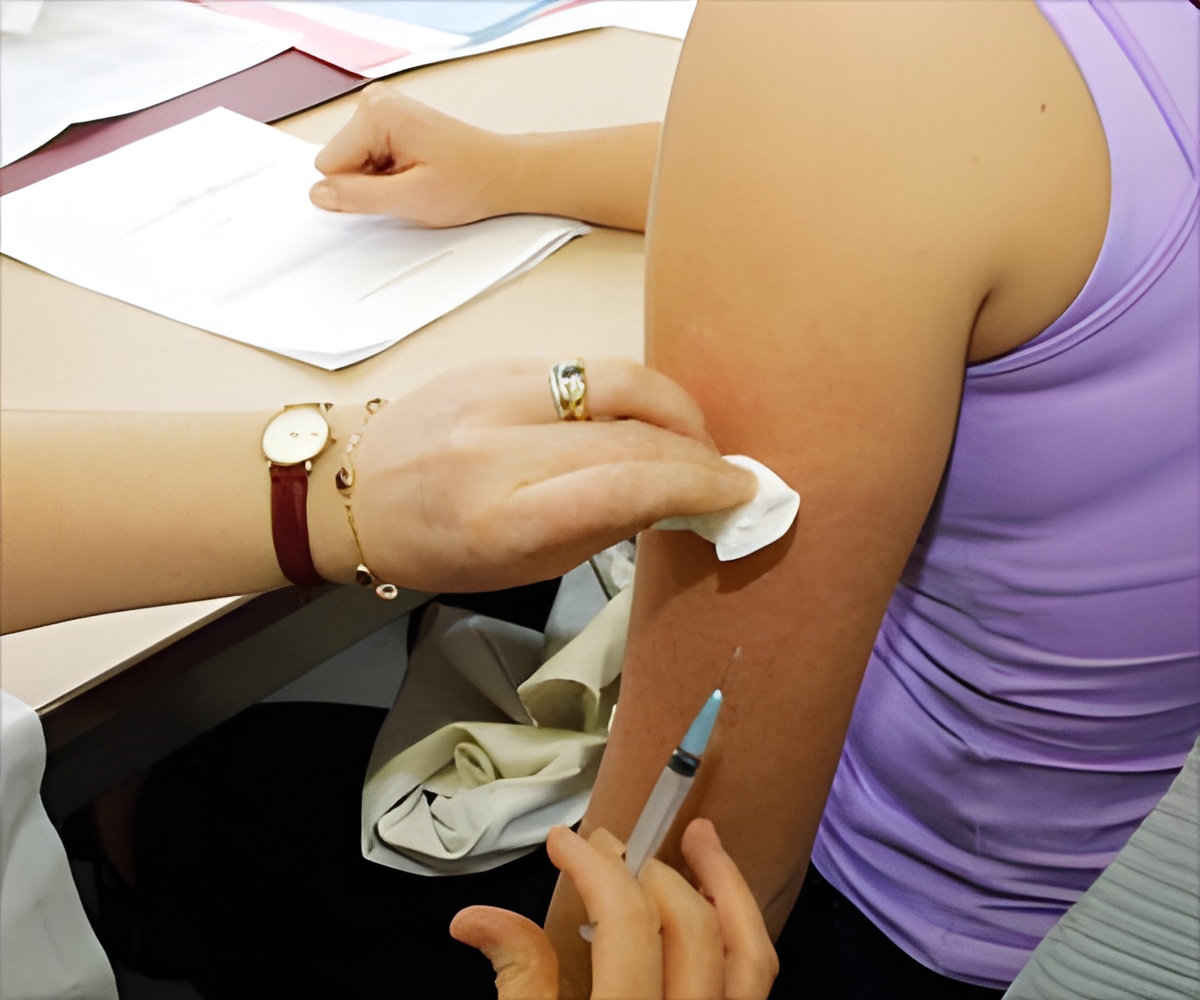

Human Papillomavirus Infection - Risk Factors, Symptoms, Screening, Treatment & Prevention
Human papillomavirus (HPV) infection, depending on the human papillomavirus that causes it, can result in common warts or can cause cervical cancer.
Human papillomavirus (HPV) infection, depending on the human papillomavirus that causes it, can result in common warts or can cause cervical cancer.
TOP INSIGHT

HPV vaccination rates in survivors of childhood cancer was 24% compared to the 40% general population. The vaccination rate was lower in cancer survivors though they are the ones who need it the most.
HPV causes most cervical cancers and many oral, anal, vaginal, vulvar, and penile cancers. An estimated 6.9 million adolescents and young adults in the United States are infected with HPV each year.
Researchers surveyed 982 childhood cancer survivors, ages 9-26, who had completed treatment between one and five years prior. Most of the participants (59%) were survivors of leukemia or lymphoma.
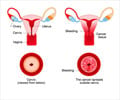
Cervical Cancer - Types, Causes, Symptoms, Diagnosis, Treatment, Complications & Prevention
Cancer cervix refers to cancerous growth in the cervix and usually occurs in the transition called squamo-columnar junction.
Cancer cervix refers to cancerous growth in the cervix and usually occurs in the transition called squamo-columnar junction.
HPV vaccination rates were significantly lower among survivors of childhood cancer compared to the general population (24% vs. 40%). This held true for both male and female participants, though males were less likely to have been vaccinated than females.
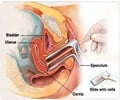
Pap smear and Cervical Cancer Screening
Pap smear is the most common test used in screening cervical cancer caused by an infection with human papilloma virus. Pap smear should be repeated every 1 to 3 years till the age of 65 years.
Pap smear is the most common test used in screening cervical cancer caused by an infection with human papilloma virus. Pap smear should be repeated every 1 to 3 years till the age of 65 years.
The most significant barrier to vaccination was the lack of a physician's recommendation. Seventy-two percent of participants reported that their provider did not recommend the HPV vaccine, and only 5% of these survivors received the vaccine. On the other hand, among the 28% who did receive a provider recommendation, more than half were vaccinated.

Laryngeal Papillomatosis - Causes, Symptoms, Diagnosis, Treatment, Health Tips
What is laryngeal papillomatosis and are you at risk? Find out how this condition affects us, and learn about the symptoms it causes and how it can be treated.
What is laryngeal papillomatosis and are you at risk? Find out how this condition affects us, and learn about the symptoms it causes and how it can be treated.
More than ever before, young cancer survivors are living long lives after treatment, but their health is more vulnerable. It's concerning that the majority of survivors are not taking full advantage of HPV vaccination, which is widely available and can help them stay cancer-free.
Oncologists and primary care physicians are trusted resources for young survivors, and while barriers to HPV vaccination certainly exist, this study suggests that starting a conversation can help break down at least one.
Source-Eurekalert
 Email
Email