MEDINDIA
 English
 हिन्दी
 Español
 français
 中文
中文
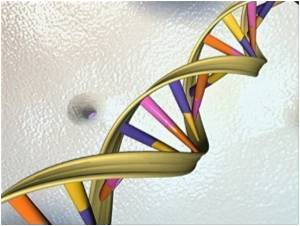
Tumor protein TP53 knows exactly where to bind to the DNA to prevent cancer. The protein then activates the right genes to repair damaged cells.
Cancer Research UK Begins Work on Cancer DNA Database
Cancer Research UK has begun work on a project to create a cancer DNA database that could go a long way in helping personalize cancer treatments in future.
Cancer Research UK has begun work on a project to create a cancer DNA database that could go a long way in helping personalize cancer treatments in future.
TOP INSIGHT

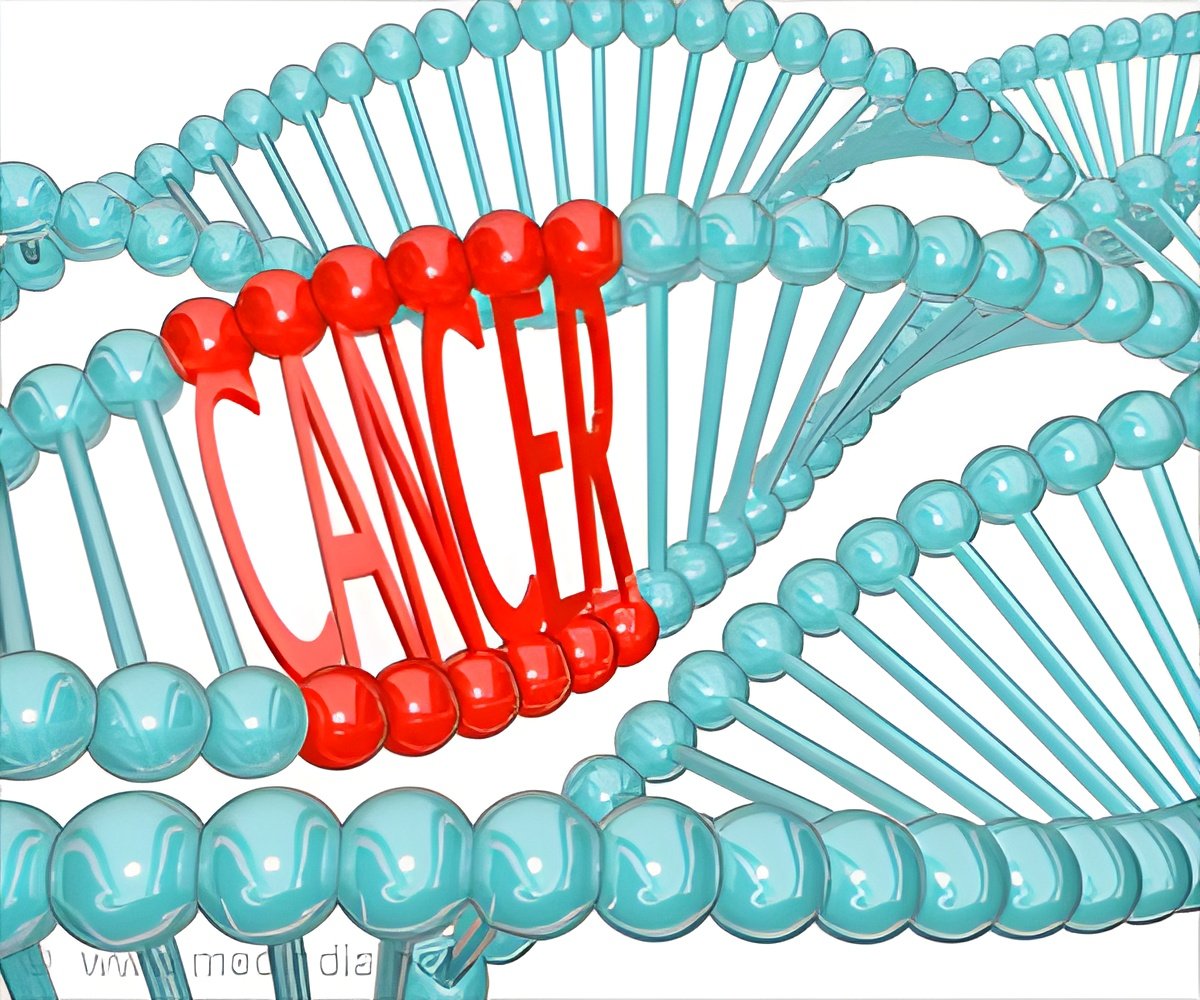
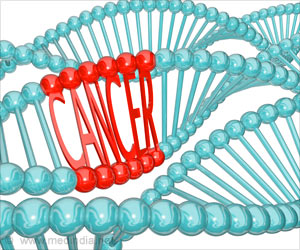
The protein TP53 plays a crucial role in the prevention of cancer. TP53 switches on the right genes to repair the cell.
"We used next-generation sequencing to test the capacity of DNA sequences to act as switches for more than 1500 DNA sequences at the same time," explains Professor Stein Aerts. By way of comparison: in the past, researchers had to test all switches one by one. "We then used supercomputers and advanced computer models to examine the differences between effective and non-effective switches. That's how we discovered that TP53 can locate the exact DNA sequence to which it needs to bind - all by itself."
"The protein TP53 plays a crucial role in the prevention of cancer. When a cell is damaged - because of UV or radioactivity, for instance - TP53 switches on the right genes to repair the cell. A cell sometimes loses TP53, so that cancer can start developing there. In about 50% of all cancers, there's a problem with the protein TP53. That's why it's so important to unravel its underlying mechanisms."
California-Based Company Launches �Liquid Biopsy� to Detect Cancer DNA in Healthy People
Pathway Genomics screening test will look at 96 genetic markers associated with major cancer types such as breast, ovarian, lung, colon and melanoma.
Pathway Genomics screening test will look at 96 genetic markers associated with major cancer types such as breast, ovarian, lung, colon and melanoma.
MicroRNA-TP53 Circuit Linked to Chronic Lymphocytic Leukemia
The interplay between a major tumor-suppressing gene, a truncated chromosome and two sets of microRNAs provides a molecular basis for the less aggressive form of CLL.
The interplay between a major tumor-suppressing gene, a truncated chromosome and two sets of microRNAs provides a molecular basis for the less aggressive form of CLL.

In 90 Percent Of Most Common Childhood Bone Tumor, TP53-Tumor Suppressor Gene Mutated
The tumor suppressant gene TP53 has been found to be mutated in 90 percent of osteocarcomas, suggesting gene alteration plays a key role in early development of cancer, found by researchers.
The tumor suppressant gene TP53 has been found to be mutated in 90 percent of osteocarcomas, suggesting gene alteration plays a key role in early development of cancer, found by researchers.
 Email
Email