MEDINDIA
 English
 हिन्दी
 Español
 français
 中文
中文
Those who experience tingling sound in the ear are more likely to have a reduced tolerance for loud noise which is a sign of hidden permanent damage to hearing.

Tinnitus Symptom Evaluation-Causes-Diagnosis-Treatment-Prevention-FAQs
Tinnitus is a ringing or a swishing noise that emanates from the ear or head. It is not a life-threatening condition and usually resolves with time.
Tinnitus is a ringing or a swishing noise that emanates from the ear or head. It is not a life-threatening condition and usually resolves with time.
TOP INSIGHT

When the auditory nerves are damaged, brain cells increase their sensitivity to their remaining inputs, which can make ordinary sounds seem louder.
Further testing of the same subjects - all students showed that even though they could still hear as well as their peers, those experiencing tinnitus were more likely to have a significantly reduced tolerance for loud noise, which is considered a sign of hidden permanent damage to the nerves that are used in processing sound, damage that can foretell serious hearing impairment later in life.
Increased loudness perception is an indication of nerve injury that cannot be detected by the audiogram, the standard clinical test for hearing ability. Neuroscience research indicates that such "hidden hearing loss" caused by exposure to loud sounds in the early years deepens over the life span, worsening one's hearing ability later in life.

Tinnitus - Causes - Symptoms - Diagnose - Treatment - FAQs
Tinnitus is the perception of ringing, hissing, or other sound within the ears when no corresponding external sound is present.
Tinnitus is the perception of ringing, hissing, or other sound within the ears when no corresponding external sound is present.
It's common after listening to loud music to experience a ringing in the ears for the next day or so, Roberts said. More than half the students in the study said it had happened to them. This brief tinnitus is an early warning sign, according to Roberts. Testing showed that 28 percent of the study participants had already developed persistent tinnitus.
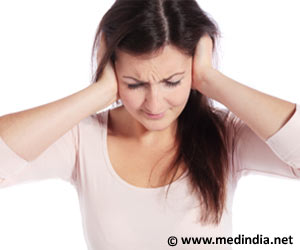
Tinnitus Patients Undergo Different Emotional Processing Systems In Brain
Patients suffering from tinnitus, a condition of persistent ringing in the ears, process emotions differently from those with normal hearing, as per researchers.
Patients suffering from tinnitus, a condition of persistent ringing in the ears, process emotions differently from those with normal hearing, as per researchers.

Pine Bark Naturally Improves Tinnitus: Study
More than 50 million Americans will experience some degree of tinnitus in their lifetime, according to the American Tinnitus Association. Tinnitus
More than 50 million Americans will experience some degree of tinnitus in their lifetime, according to the American Tinnitus Association. Tinnitus
 Email
Email