MEDINDIA
 English
 हिन्दी
 Español
 français
 中文
中文
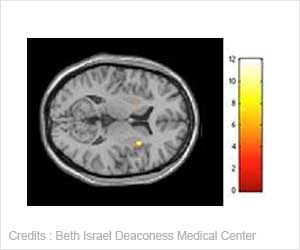
The retrosplenial cortex in the brain is responsible for mapping interior and exterior spaces that help human beings navigate.
New Gene Family Identified that Leads to the Development of Brain Tumors
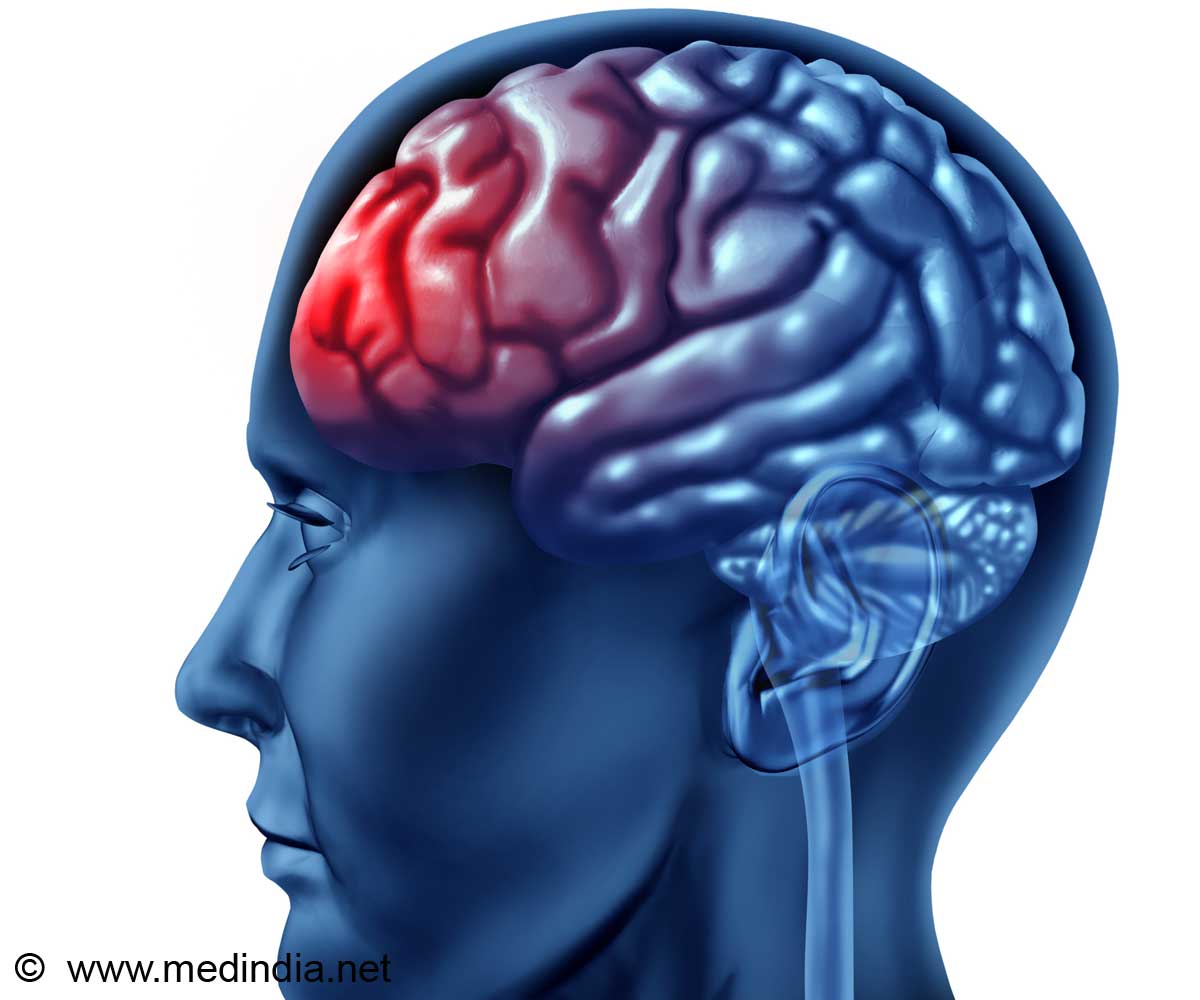
Ets (E26 transformation-specific) family of genes regulate the behavior of tumor cells by controlling expression of genes needed for tumor growth and cell fate.
Ets (E26 transformation-specific) family of genes regulate the behavior of tumor cells by controlling expression of genes needed for tumor growth and cell fate.
Douglas Nitz, associate professor of cognitive science, said that these different forms of spatial information, generated in distinct structures, must be combined and related to each other in an organized fashion in order for an agent to effectively move through the world.
Nitz added that their study showed that the retrosplenial cortex is an area of the brain that is simultaneously sensitive to mapping interior and exterior spaces and may be a kind of ’conjunction junction’, putting together all the necessary information for successful navigation.

Structural Brain Abnormalities Identified in People With Schizophrenia
This is the largest medical study conducted in the world to understand the effects of Schizophrenia on the various sections of the brain.
This is the largest medical study conducted in the world to understand the effects of Schizophrenia on the various sections of the brain.
The research is published in the journal Nature Neuroscience.
Australian Man Diagnosed With Deadly 'One-In-a-Billion' Brain Disease
Creutzfeldt-Jakob Disease (CJD) is a rare disease caused by mutations in a person’s brain. It is not contagious and may affect one in every one million people.
Creutzfeldt-Jakob Disease (CJD) is a rare disease caused by mutations in a person’s brain. It is not contagious and may affect one in every one million people.

Consumption of Modified Foods High in Fat and Sugar Alters Gut-Brain Communication
Balance in the intestinal microbiota and gut-brain communication in human bodies might be disturbed by the introduction of modified foods high in fat.
Balance in the intestinal microbiota and gut-brain communication in human bodies might be disturbed by the introduction of modified foods high in fat.
 Email
Email