MEDINDIA
 English
 हिन्दी
 Español
 français
 中文
中文
Neurodegenerative diseases are progressive, debilitating and incurable. Alzheimer's destroys memory, while Parkinson's and Huntington's affect movement.
Sensory Deficits in Parkinson's Disease
There are some 18,000 people with Parkinson's disease in Sweden, and around 2,000 new diagnoses every year.
There are some 18,000 people with Parkinson's disease in Sweden, and around 2,000 new diagnoses every year.
TOP INSIGHT

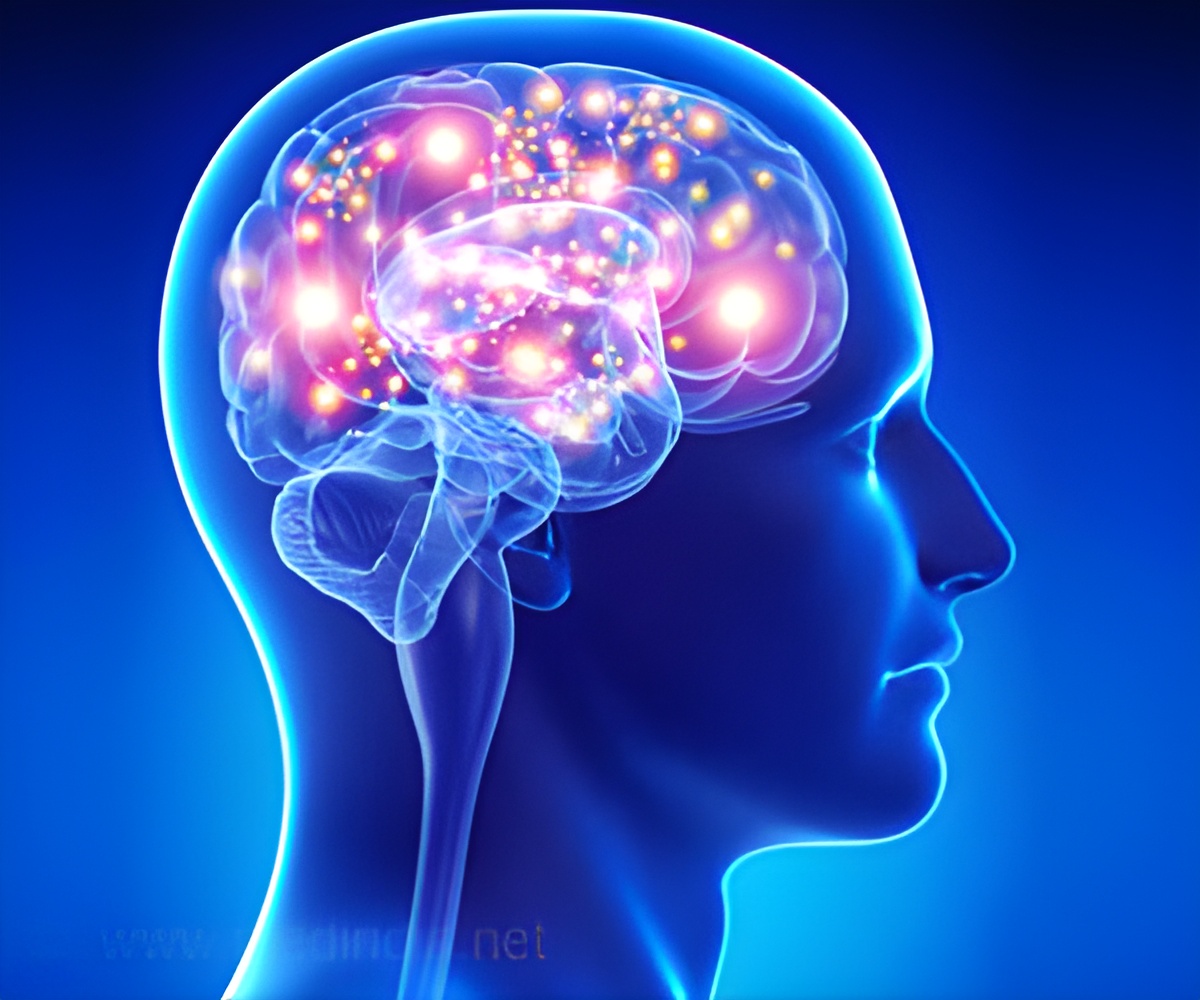
Neurodegenerative diseases are disorders that destroy motor neurons and other cells in the brain, with different diseases affecting different regions of the brain.
"A possible therapy would involve boosting a brain cell's ability to degrade a clump of proteins and damaged vesicles," said study senior author Edward Campbell from Loyola University Chicago.
"If we could do this in one disease, it's a good bet the therapy would be effective in the other two diseases," Campbell said.

What is the Life Expectancy of Patients With Parkinson�s Disease, Lewy Body Dementia?
Answers for questions related to life expectancy of patients with Parkinson’s disease, Lewy body dementia revealed.
Answers for questions related to life expectancy of patients with Parkinson’s disease, Lewy body dementia revealed.
Previous research has suggested that in all three diseases, proteins that are folded abnormally form clumps inside brain cells.

MAO-B Inhibitors Slow Clinical Decline in Parkinson's Disease Patients
There has long been interest in whether monoamine oxidase type B (MAO-B) inhibitors slow progression of Parkinson's disease (PD) and improve long-term outcomes.
There has long been interest in whether monoamine oxidase type B (MAO-B) inhibitors slow progression of Parkinson's disease (PD) and improve long-term outcomes.
Different proteins are implicated in each disease: tau in Alzheimer's, alpha-synuclein in Parkinson's and huntingtin in Huntington's disease.

Targeting Mitochondrial Lipids Could Pave the Way to Therapies for Parkinson's Disease
An underlying mechanism in early onset Parkinson's disease has been identified by a team of researchers.
An underlying mechanism in early onset Parkinson's disease has been identified by a team of researchers.
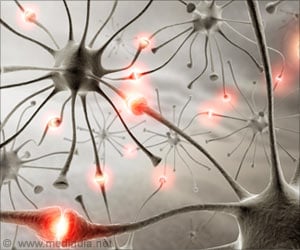
The researchers observed that once proteins get inside the cell, they enter vesicles - small compartments that are encased in membranes.
The proteins damage or rupture the vesicle membranes, allowing the proteins to then invade the cytoplasm and cause additional dysfunction.
Thus the study showed that protein clumps associated with the three diseases cause the same type of vesicle damage.
Source-IANS
 Email
Email