MEDINDIA
 English
 हिन्दी
 Español
 français
 中文
中文
A study, performed in mice and utilizing post-mortem samples of brains from patients with Alzheimer's disease, found that a single event of a moderate-to-severe
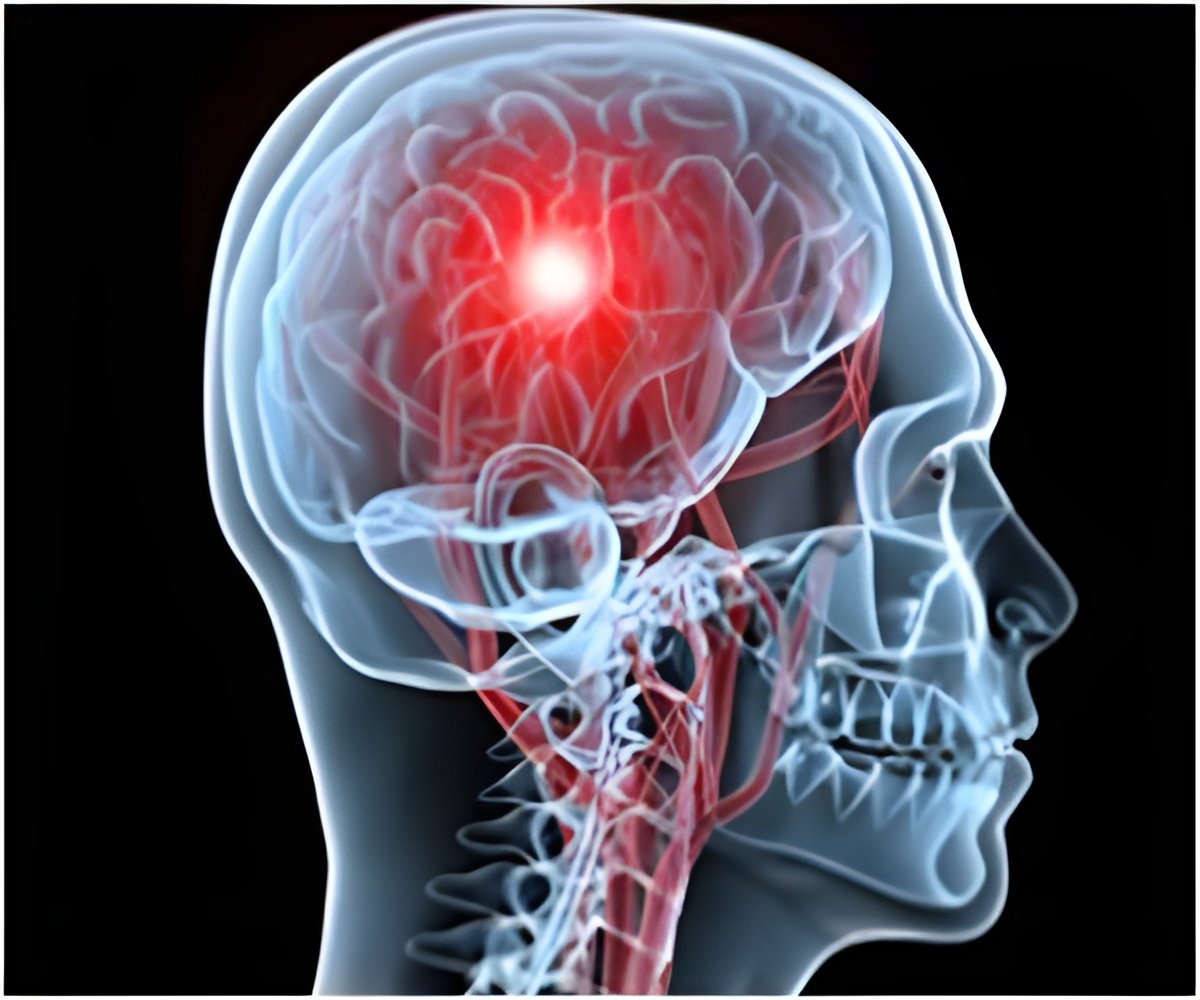

Risk Factors for Alzheimers Disease
Cognitively normal adults exhibiting atrophy of their temporal lobe or damage to blood vessels in the brain are more likely to develop Alzheimer’s disease.
Cognitively normal adults exhibiting atrophy of their temporal lobe or damage to blood vessels in the brain are more likely to develop Alzheimer’s disease.
Next, in an analysis of post-mortem brain samples from patients with Alzheimer's disease, the researchers found that GGA1 and GGA3 levels were reduced while BACE1 levels were elevated in the brains of Alzheimer's disease patients compared to the brains of people without Alzheimer's disease, suggesting a possible inverse association.
In an additional experiment using a mouse strain genetically modified to express the reduced level of GGA3 that was observed in the brains of Alzheimer's disease patients, the team found that one week following traumatic brain injury, BACE1 and amyloid-beta levels remained elevated even when GGA1 levels had returned to normal. The research suggests that reduced levels of GGA3 were solely responsible for the increase in BACE 1 levels and therefore the sustained amyloid-beta production observed in the sub-acute phase, or seven days, after injury.

Does Obesity in Old Age Cause Memory Problems?
The American Academy of Neurology have confirmed that being overweight in old age does not lead to memory problems but contributes to high blood pressure, heart disease and diabetes.
The American Academy of Neurology have confirmed that being overweight in old age does not lead to memory problems but contributes to high blood pressure, heart disease and diabetes.
"We found that GGA1 and GGA3 act synergistically to regulate BACE1 post-injury. The identification of this interaction may provide a drug target to therapeutically regulate the BACE1 enzyme and reduce the deposition of amyloid-beta in Alzheimer's patients," she continued. "Our next steps are to confirm these findings in post-mortem brain samples from patients with moderate-to-severe traumatic brain injuries."

German Company Shows Off New Drug Discovery Tool for Alzheimer's Disease
Researchers at Sirenade Pharmaceuticals AG in Munich, Germany, have discovered a new drug discovery tool for Alzheimer's disease.
Researchers at Sirenade Pharmaceuticals AG in Munich, Germany, have discovered a new drug discovery tool for Alzheimer's disease.
 Email
Email