MEDINDIA
 English
 हिन्दी
 Español
 français
 中文
中文
A phenomenon in speech called coarticulation, in which certain sounds are produced differently depending on the sounds that come before or after them, has been studied by researchers.
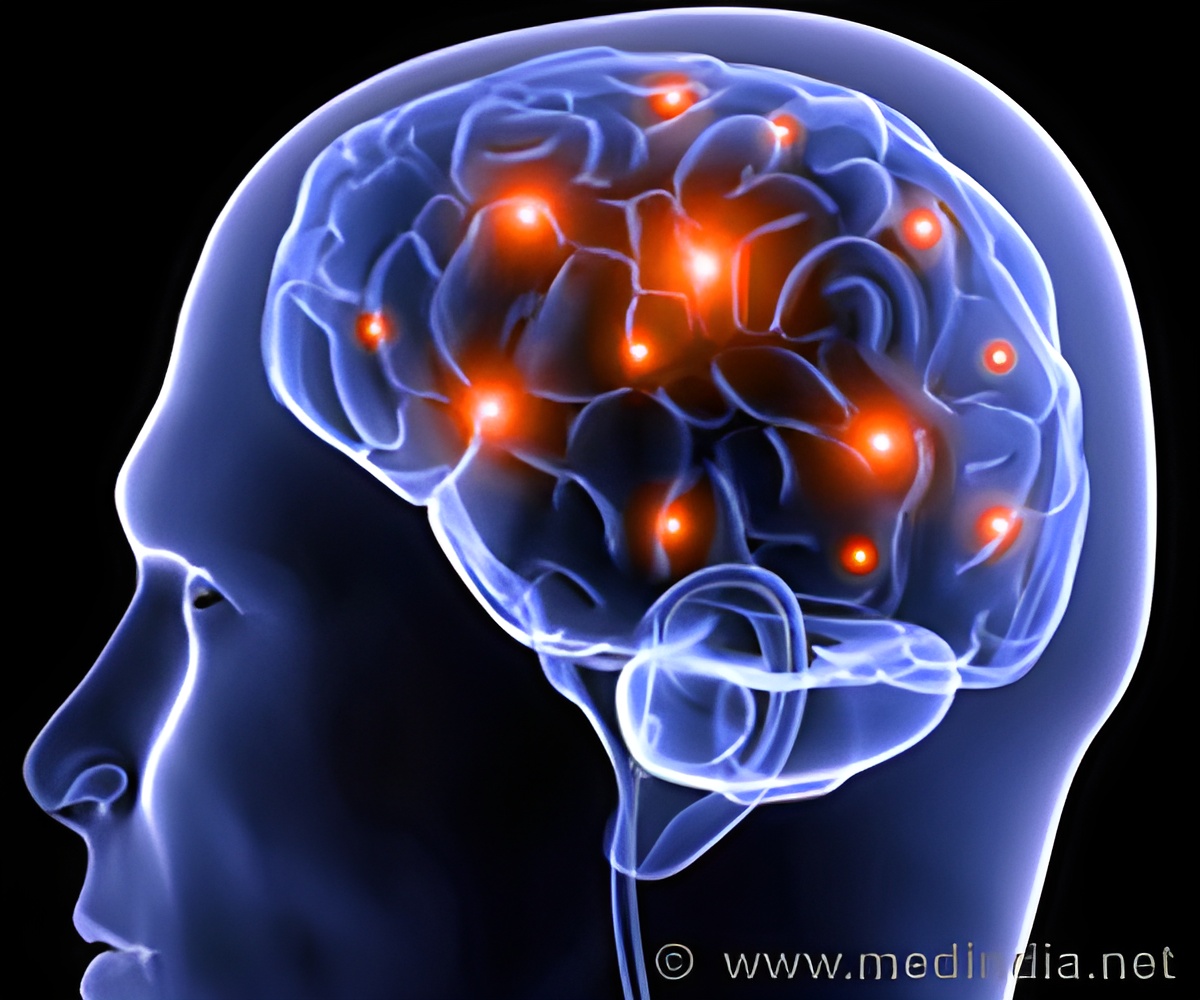

Brain Exercises to Improve Memory
An active brain can certainly help in improving memory by strengthening the connections between neural impulses in brain.
An active brain can certainly help in improving memory by strengthening the connections between neural impulses in brain.
The article is entitled "Patterns of Muscle Activity for Digital Coarticulation." It appears in the Journal of Neurophysiology, published by the American Physiological Society. It is available online at bit.ly/17xr62f.
Methodology

Brain Food
It is a myth that the brain quits generating new cells once you reach adulthood. They are regenerating all the time.
It is a myth that the brain quits generating new cells once you reach adulthood. They are regenerating all the time.
While these subjects played, the researchers collected a variety of data, including the force of keystrokes, how closely the subjects adhered to the timing set by a metronome, as well as muscle activity recorded from electrodes placed on the skin of subjects' right hands. The researchers collected activity readings from muscles that both extend and flex the thumb and all four fingers.

Brilliant Human Brain
The most amazing and complex organ in the entire universe, the human brain continues to remain an enigma.
The most amazing and complex organ in the entire universe, the human brain continues to remain an enigma.
When the researchers analyzed their data, they found evidence suggesting that piano players indeed exhibit coarticulation in their finger movements while playing. The muscle activity they recorded showed that the way players strike keys depended on the nature of keystrokes that occurred before and after.
These findings suggest that, like practitioners of American Sign Language, piano players' hand movements depend on other movements in a sequence. Still unknown, the authors say, is how closely the muscle activation commands in the spinal cord are dicated by activity in the cerebral cortex.
"This phenomenon may or may not be accompanied by coarticulation at the level of the motor cortex," they write.
Source-Eurekalert
 Email
Email