MEDINDIA
 English
 हिन्दी
 Español
 français
 中文
中文
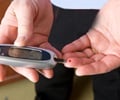
In low and middle income countries, 90% of people with diabetes do not receive the kind of care that could make their lives healthier, longer and more productive, according to a new study.


Top 10 Warning Signs of Diabetes You Shouldn't Ignore
Warning signs of diabetes such as increased thirst, urinary frequency, prolonged infections, and delayed wound healing among others should not be ignored.
Warning signs of diabetes such as increased thirst, urinary frequency, prolonged infections, and delayed wound healing among others should not be ignored.
TOP INSIGHT

Just one among 10 people with diabetes in low- and middle-income countries receive ample care -- low-cost medicines to reduce blood sugar, blood pressure and cholesterol levels; and counseling on diet, exercise and weight, which can help lower the health risks. The risks include future heart attacks, strokes, nerve damage, blindness, amputations and other disabling or fatal conditions.
"It confers a high risk of complications such as heart attacks, blindness, and strokes. We can prevent these complications with comprehensive diabetes treatment, and we need to make sure people around the world can access treatment," he added.
The team analysed data from surveys, examinations and tests of more than 680,000 people between the ages of 25 and 64 worldwide conducted in recent years. More than 37,000 of them had diabetes; more than half of them hadn't been formally diagnosed yet, but had a key biomarker of elevated blood sugar.

Top 9 Diabetes Diet Myths
Are you a Diabetic? Myths about food restrictions put you away from enjoying your meal? Here are a few facts and hints to help you make wise food choices.
Are you a Diabetic? Myths about food restrictions put you away from enjoying your meal? Here are a few facts and hints to help you make wise food choices.
Source-IANS

Quiz on Diabetes Medications
How much do you know about the medications used to treat diabetes? Here are a few questions you could attempt to test your knowledge.
How much do you know about the medications used to treat diabetes? Here are a few questions you could attempt to test your knowledge.
Insulin Injections for Diabetes
Insulin Therapy plays an important role in treating diabetes.Learning about insulin injections can help you better manage your diabetes condition.
Insulin Therapy plays an important role in treating diabetes.Learning about insulin injections can help you better manage your diabetes condition.
 Email
Email