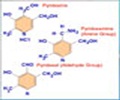
About Vitamin B-6
Vitamins play an equally important part in the synthesis of neurotransmitters. Neurotransmitters in the brain also help maintain good mood while keeping one's mental faculties sharp
Vitamins play an equally important part in the synthesis of neurotransmitters. Neurotransmitters in the brain also help maintain good mood while keeping one's mental faculties sharp
‘In fruit flies muscle-derived Dpp regulates the levels of brain tyrosine hydroxylase, an enzyme key to the synthesis of the neurotransmitter dopamine.’
Tweet it Now
"Until now, the brain has been the least-studied target of myokine activity," said corresponding author Fabio Demontis, Ph.D., of the St. Jude Department of Developmental Neurobiology. "There are many myokines that act on other tissues, but their roles in signaling to the brain have been largely unexplored." The molecular key to muscle-brain communication
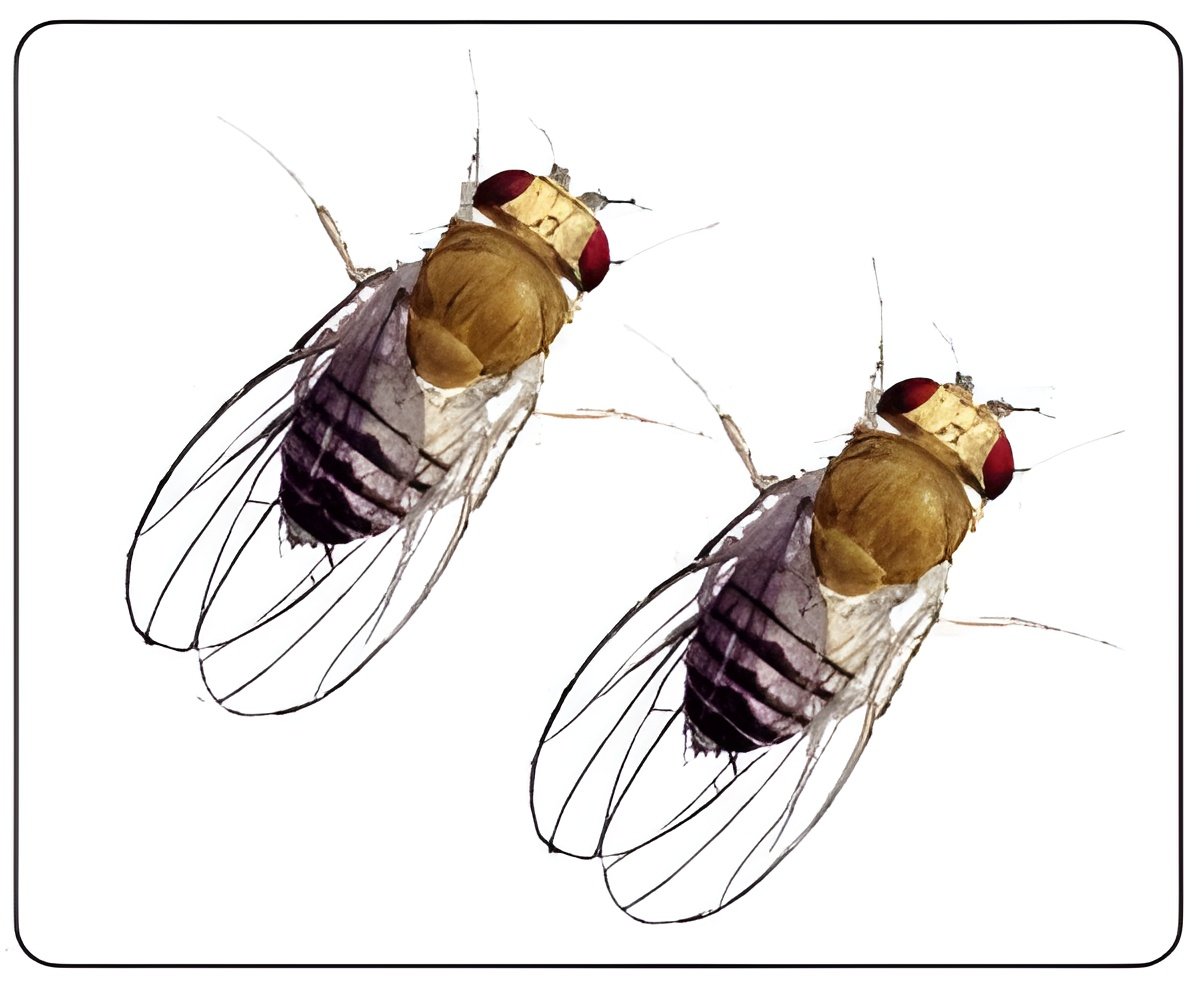
To better understand how skeletal muscle communicates with the brain regarding feeding behavior, the researchers looked at the myokine Dpp in fruit flies. Dpp is the fruit fly equivalent of the BMP2 and BMP4 signaling factors in humans.
Nemuri Encoded Protein in Fruit Flies Promotes Sleep and Fights Infection
Scientists have discovered a bacterial-fighting peptide in fruit flies that promotes sleep after sleep deprivation or infection.
Scientists have discovered a bacterial-fighting peptide in fruit flies that promotes sleep after sleep deprivation or infection.
A link between Dpp, dopamine and feeding initiation
Advertisement
Fruit Flies Avoid Foods Rich in Calcium
Calcium is an essential element. Calcium taste not only exists in humans and animals, but also exists in fruit flies like Drosophila melanogaster.
Calcium is an essential element. Calcium taste not only exists in humans and animals, but also exists in fruit flies like Drosophila melanogaster.
The researchers found that lowering Dpp levels in muscle led to higher levels of dopamine in the brain and increased feeding. Conversely flies with higher Dpp levels in muscle had lower levels of brain dopamine and were less likely to seek food. The researchers also found that modulation of dopamine synthesis in the brain is key to the regulation of feeding by muscle-derived Dpp.
Advertisement
Fruit Flies Help Study an Aggressive Tumor That Attacks Young Children
Fruit flies are often used as a model to determine the basic fundamentals of several diseases in humans including cancer.
Fruit flies are often used as a model to determine the basic fundamentals of several diseases in humans including cancer.
Source-Eurekalert