MEDINDIA
 English
 हिन्दी
 Español
 français
 中文
中文
Individuals with osteoporotic vertebral fragility fractures are at increased risk of future fractures, including potentially devastating hip fractures.
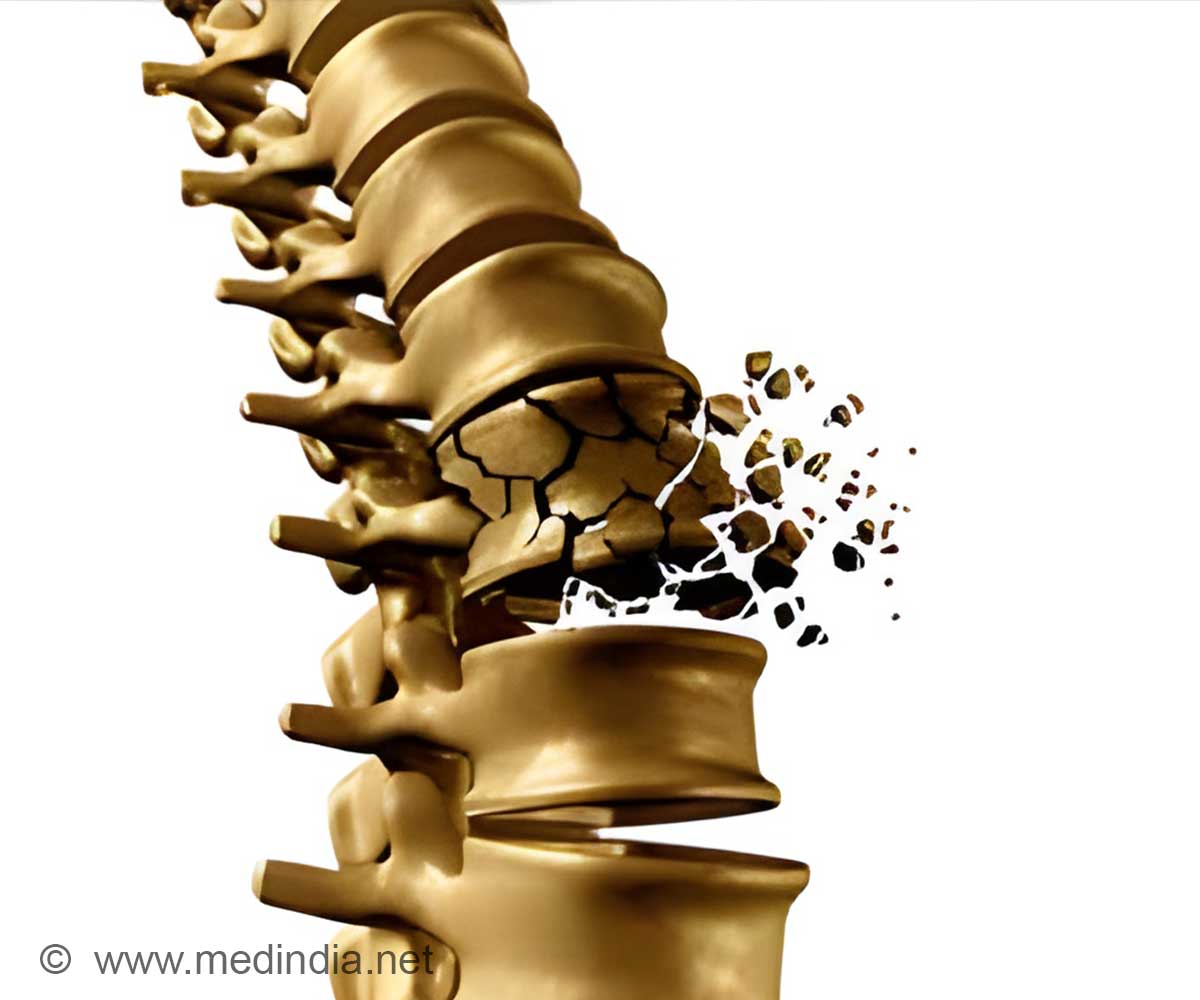

Post-Vertebral Fracture Augmentation, IOF Recommends Systematic Osteoporosis Management
A working group of the International Osteoporosis Foundation (IOF) has issued a literature review of prospective controlled studies comparing the efficacy and safety of two minimally
A working group of the International Osteoporosis Foundation (IOF) has issued a literature review of prospective controlled studies comparing the efficacy and safety of two minimally
TOP INSIGHT

When osteoporosis results in a vertebral fracture, it is usually marked by the sudden onset of back pain, and they are at increased risk of future fractures.
The study puts a spotlight on the under-reporting of osteoporotic vertebral fractures, particularly by radiologists who are not specialized in musculoskeletal imaging. The under-reporting is a missed opportunity for diagnosing and treating osteoporosis - and thereby reducing the risk of subsequent hip fractures.
The researchers used data from the local Fracture Liaison Service to case-find all hip fracture patients from 2013 presenting to the hospital. They then identified the patients who had also previously undergone radiological imaging that included the thoracic and/or lumbar spine in the previous six years. All identified radiological images were re-examined for the presence of VFFs.
Hospitalized Vertebral Fracture Patients Have Poor Quality of Life
The most common of all osteoporotic fractures are vertebral fractures, which can have a devastating impact on a person's quality of life.
The most common of all osteoporotic fractures are vertebral fractures, which can have a devastating impact on a person's quality of life.
Of the 732 patients over the age of 50 with a hip fracture in 2013, 157 had previously undergone a radiological procedure involving the spine. VFFs were identified in 41% of the cases (65/157).
Quantification of the Pricey Fragility Fractures in Europe: Study
New data * showing the economic yoke of fragility fractures in the 27 member states of the European Union surpasses former estimates, with hip fractures accounting for about 55% of costs.
New data * showing the economic yoke of fragility fractures in the 27 member states of the European Union surpasses former estimates, with hip fractures accounting for about 55% of costs.
Non-musculoskeletal radiologists were less likely to identify vertebral fractures. 91% of unreported VFFs were from imaging reported by non-musculoskeletal radiologists.
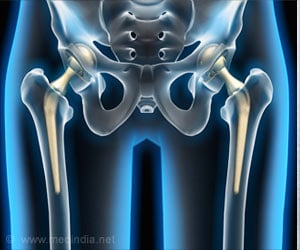
Hip Fracture Increases Mortality Risk in Older Adults
Hip fracture sufferers experienced significantly worse survival at 12-months post-fracture. Hip fracture was a contributory factor in 72% of mortality.
Hip fracture sufferers experienced significantly worse survival at 12-months post-fracture. Hip fracture was a contributory factor in 72% of mortality.
Dr Ruth M. Mitchell, Merton College, University of Oxford, stated:
"It is essential that radiologists are vigilant for the presence of VFFs on routine imaging, particularly in older patients. Equally important is having an effective referral system in place to ensure these patients, once identified, are directed to fracture prevention services. We believe that together this will increase the number of patients receiving effective osteoporosis therapy, protecting against future hip fractures and the associated mortality, morbidity and cost."
Source-Eurekalert
 Email
Email