MEDINDIA
 English
 हिन्दी
 Español
 français
 中文
中文
Children as young as 5 years old are able to make decisions in order to maximize their profits in form of cookies.


Can You Cope with Your Children�s Tantrums?
It is natural for children to throw tantrums, but how parents react to such situations makes all the difference in the life of a family.
It is natural for children to throw tantrums, but how parents react to such situations makes all the difference in the life of a family.
The researchers found that though children over the age of five were risk-seekers, they also exhibited an aversion to loss typically seen in adults. This aversion arises from a 'better safe than sorry' choice but can also lead to judgment errors in adults, causing a loss of potential profits. The results of this study suggest that this is a decision-making pattern that we begin to learn as early as age five.

Sleep Disorders in Children - Overview, Types, Diagnosis, Management
Sleep disorders are problems in sleep that meet diagnostic criteria for a disorder. They include insomnia, obstructive sleep apnea, parasomnias and narcolepsy.
Sleep disorders are problems in sleep that meet diagnostic criteria for a disorder. They include insomnia, obstructive sleep apnea, parasomnias and narcolepsy.
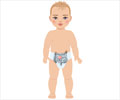
Child Intusussception
Intussusception is condition where one segment of the intestine infolds into the adjacent segment causing intestinal blockage and leading to severe abdominal distension and pain.
Intussusception is condition where one segment of the intestine infolds into the adjacent segment causing intestinal blockage and leading to severe abdominal distension and pain.
 Email
Email