MEDINDIA
 English
 हिन्दी
 Español
 français
 中文
中文
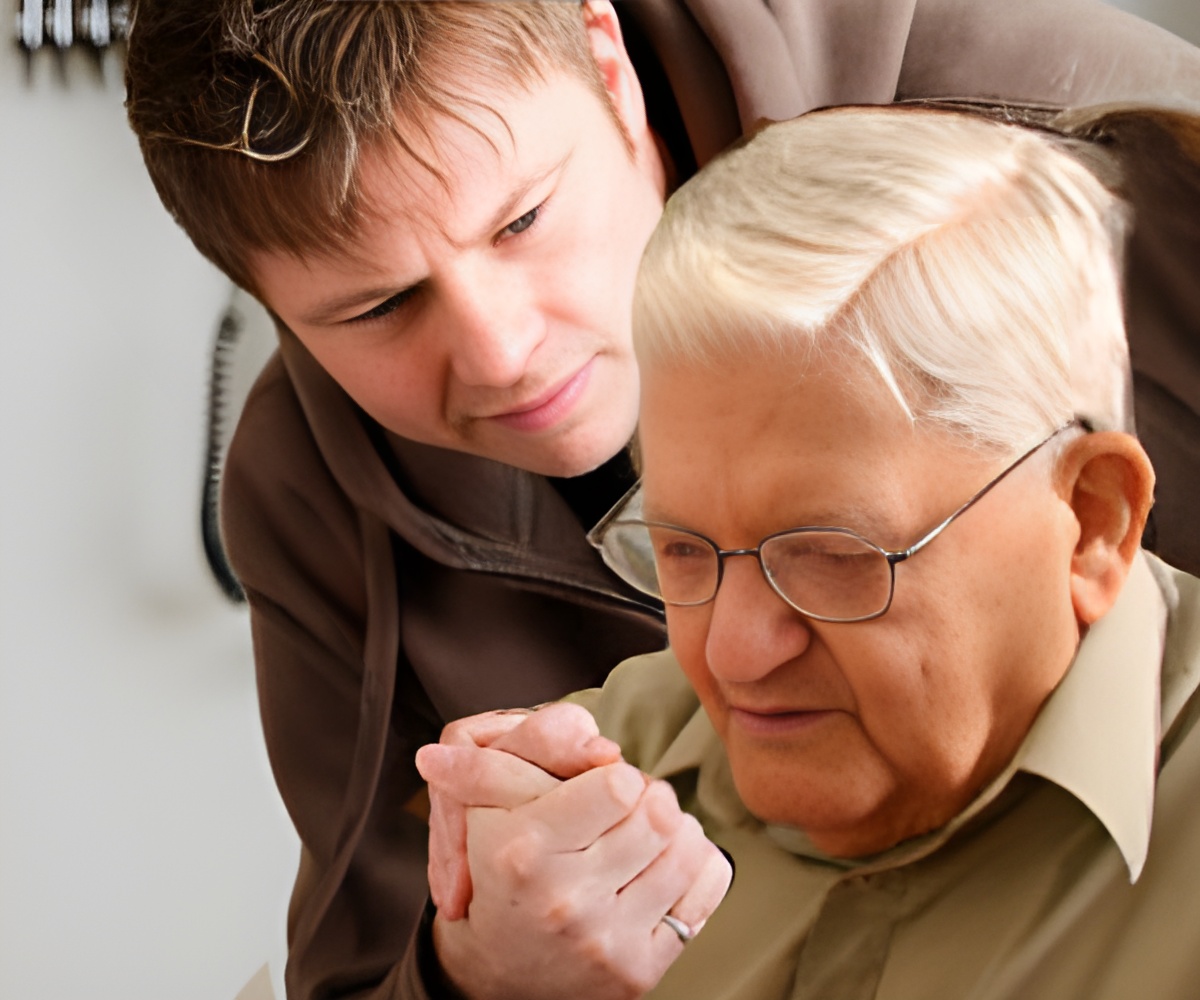
A scientific statement published in the American Heart Association journal Stroke says that people recovering from a stroke should have a well-coordinated medical team.
Stroke – Early Warning Signs - Risk Factor - Rehab - Treatment
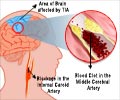
Stroke can cause permanent disability and it is important to recognize its early warning signs to stop its progress. Early warning signs of stroke include sudden weakness of facial muscles.
Stroke can cause permanent disability and it is important to recognize its early warning signs to stop its progress. Early warning signs of stroke include sudden weakness of facial muscles.
- Talk about your preferences, needs and values as a guide to medical decisions.
- Discuss what aspects of recovery are most important to you.
- Have effective, sensitive discussions about your prognosis, how to deal with physical or mental losses from a stroke, and if necessary, of dying, among other serious topics.
- Guide you through choices about life-sustaining treatment options. Providers should address pros and cons of CPR, ventilators, feeding tubes, surgery, do-not-resuscitate orders (DNR), do-not-intubate (DNI) orders and natural feeding.
- Know the best treatment options for common post-stroke symptoms, including pain, other physical symptoms and psychological problems like depression and anxiety.
- Engage a palliative care specialist if complex issues arise.
- Help preserve dignity and maximize comfort throughout the course of a stroke, including during the dying process and when nearing death.
Source-Eurekalert
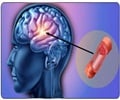
How to Deal with a Stroke - Signs - Symptoms - Risk Factors - Prevention
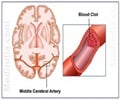
Stroke is a brain attack, which occurs when the blood supply to the brain is interrupted. It affects all age groups; according to the WHO, 15 million people are affected by stroke annually.
Stroke is a brain attack, which occurs when the blood supply to the brain is interrupted. It affects all age groups; according to the WHO, 15 million people are affected by stroke annually.
Stress and the Gender Divide-Mars and Venus-Biology-Different Strokes
Stress has become entwined in the current lifestyle of a young working couple and has resulted in the rise in incidence of hypertension, diabetes and psychosomatic illnesses.
Stress has become entwined in the current lifestyle of a young working couple and has resulted in the rise in incidence of hypertension, diabetes and psychosomatic illnesses.
 Email
Email