MEDINDIA
 English
 हिन्दी
 Español
 français
 中文
中文
A new research accepted for publication in the Journal of Clinical Endocrinology & Metabolism has linked lower morning and higher evening levels of cortisol to frailty in older individuals


19th Mistress Makes a Killing On Tiger Woods Relationship Revelation
The number of women linked to Tiger Woods has hit 19 after a blonde British mum was claimed to be the latest among his secret mistresses.
The number of women linked to Tiger Woods has hit 19 after a blonde British mum was claimed to be the latest among his secret mistresses.
In this study, researchers conducted a cross-sectional analysis of 745 participants between the ages of 65 and 90 years. Cortisol levels were measured using saliva samples at three points: awakening, 30 minutes after awakening and evening. Participants were classified as frail if three or more of the following criteria were met: exhaustion, physical inactivity, low walking speed, weakness (measured by grip strength) or weight loss (loss of more than 5 kilograms in the past six months).
"Our results suggest a link between disrupted cortisol regulation and loss of muscle mass and strength, as the underlying pathophysiology of frailty," said Hamimatunnisa Johar, a PhD student at Helmholtz Zentrum München and an author of the study. "In a clinical setting assessment of frailty can be time-consuming, and our findings show measurements of cortisol may offer a feasible alternative."

Stress may Make Cancer Cells Resist Treatment
Stress hormone epinephrine causes changes in prostate and breast cancer cells that may make them resistant to cell death.
Stress hormone epinephrine causes changes in prostate and breast cancer cells that may make them resistant to cell death.
The study, "Blunted Diurnal Cortisol Pattern is Associated with Frailty: A Cross-Sectional Study of 745 Participants Aged 65 to 90 Years," appears in the March issue of JCEM.

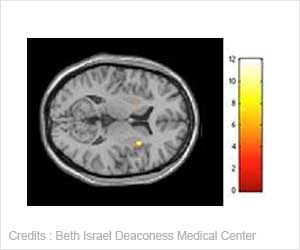
Study reveals how stress can make you sick
It's no surprise that constant stress can make people sick, and now a team of researchers has figured out how.
A study focused on 119 men and
It's no surprise that constant stress can make people sick, and now a team of researchers has figured out how.
A study focused on 119 men and
Source-Newswise
 Email
Email