MEDINDIA
 English
 हिन्दी
 Español
 français
 中文
中文
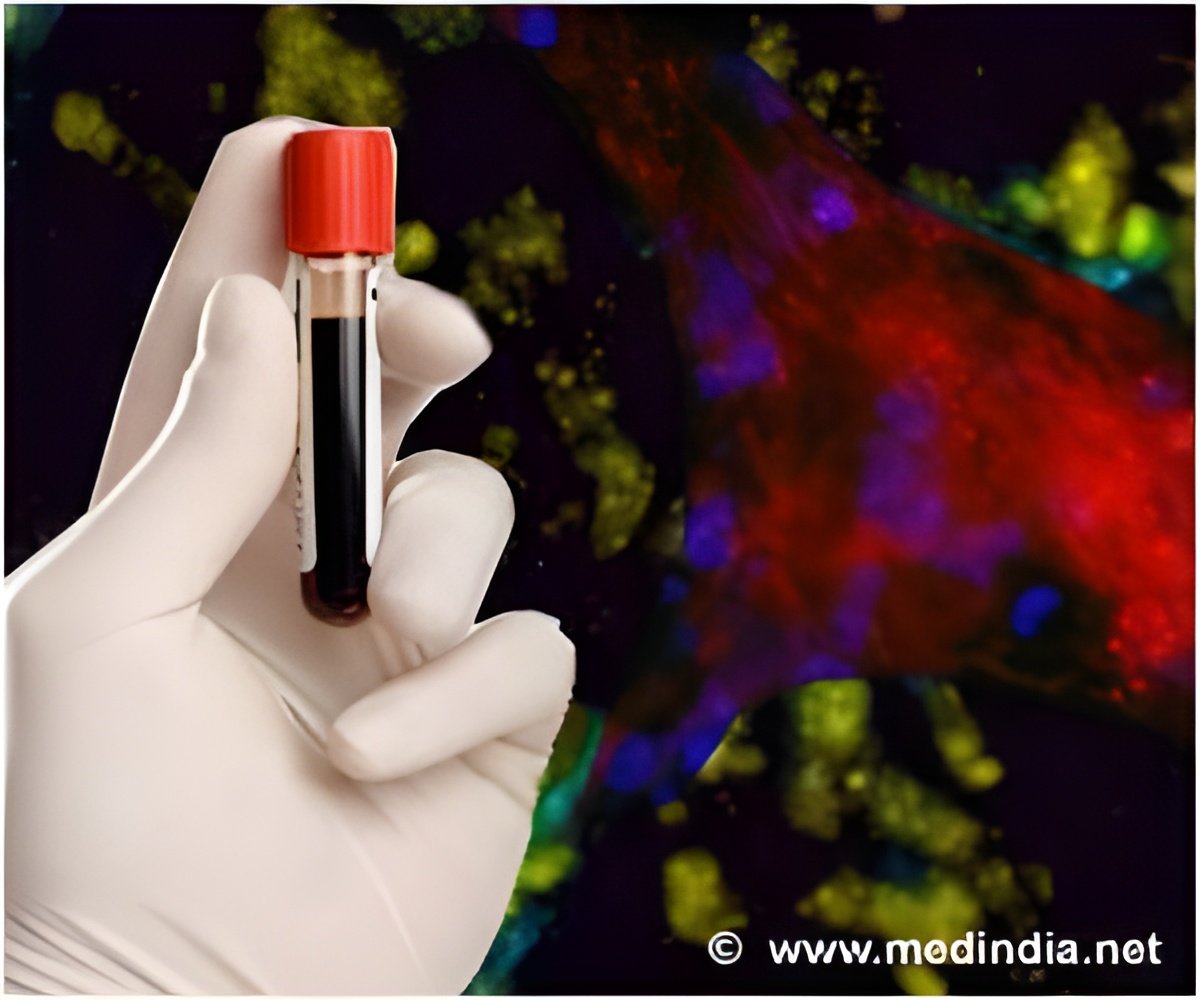
According to a study if stem cells suffer damage that makes them a threat to the developing embryo, they swiftly kill themselves.

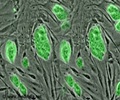
Deshmukh and his colleagues discovered stem cells are extremely sensitive to DNA damage, which can be caused by factors like chemicals, radiation or viruses. The experiment showed that virtually 100 percent of human embryonic stem cells treated with a DNA-damaging drug killed themselves within 5 hours, as compared to 24 hours for other types of cells. "That's an incredibly rapid rate of death," said Deshmukh, who also is a member of the UNC Neuroscience Center and Lineberger Comprehensive Cancer Center
The hair-trigger suicidal response is an important adaptation for embryonic stem cells, said the UNC School of Medicine researcher, because a slower response could allow DNA damage to proliferate and harm the embryo. "Mutations that develop in these cells could be catastrophic for the developing organism, so it would make sense for these cells to be rapidly eliminated."
"What these cells do is very clever," said Deshmukh. "They have activated Bax, but they've also parked it in a safe little compartment—the Golgi." If the cell detects DNA damage, Bax zips over to the mitochondrion (the cell's power plant), where it signals other proteins to shut the cell down.
Environment Conducive to Growth of Blood-Forming Stem Cells Identified
The environment in which blood-forming stem cells survive and thrive within the body has been identified by scientists
The environment in which blood-forming stem cells survive and thrive within the body has been identified by scientists
This extreme sensitivity to DNA damage lasts only a few days during early development. After the embryonic stem cells begin differentiating into early progenitors that give rise to specific cell types (like heart cells or skin cells), Bax reverts to its inactive state.

Harvard Begins Controversial Human Stem Cell Cloning Project
Harvard University researchers plan to ask women to donate their eggs for research as they race to grow embryonic stem cells matched to patients.
Harvard University researchers plan to ask women to donate their eggs for research as they race to grow embryonic stem cells matched to patients.
 Email
Email