MEDINDIA
 English
 हिन्दी
 Español
 français
 中文
中文
An abnormal gene expression in the lining can be identified in many women and a specific gene 'fingerprint', when present, is always linked with IVF failure.
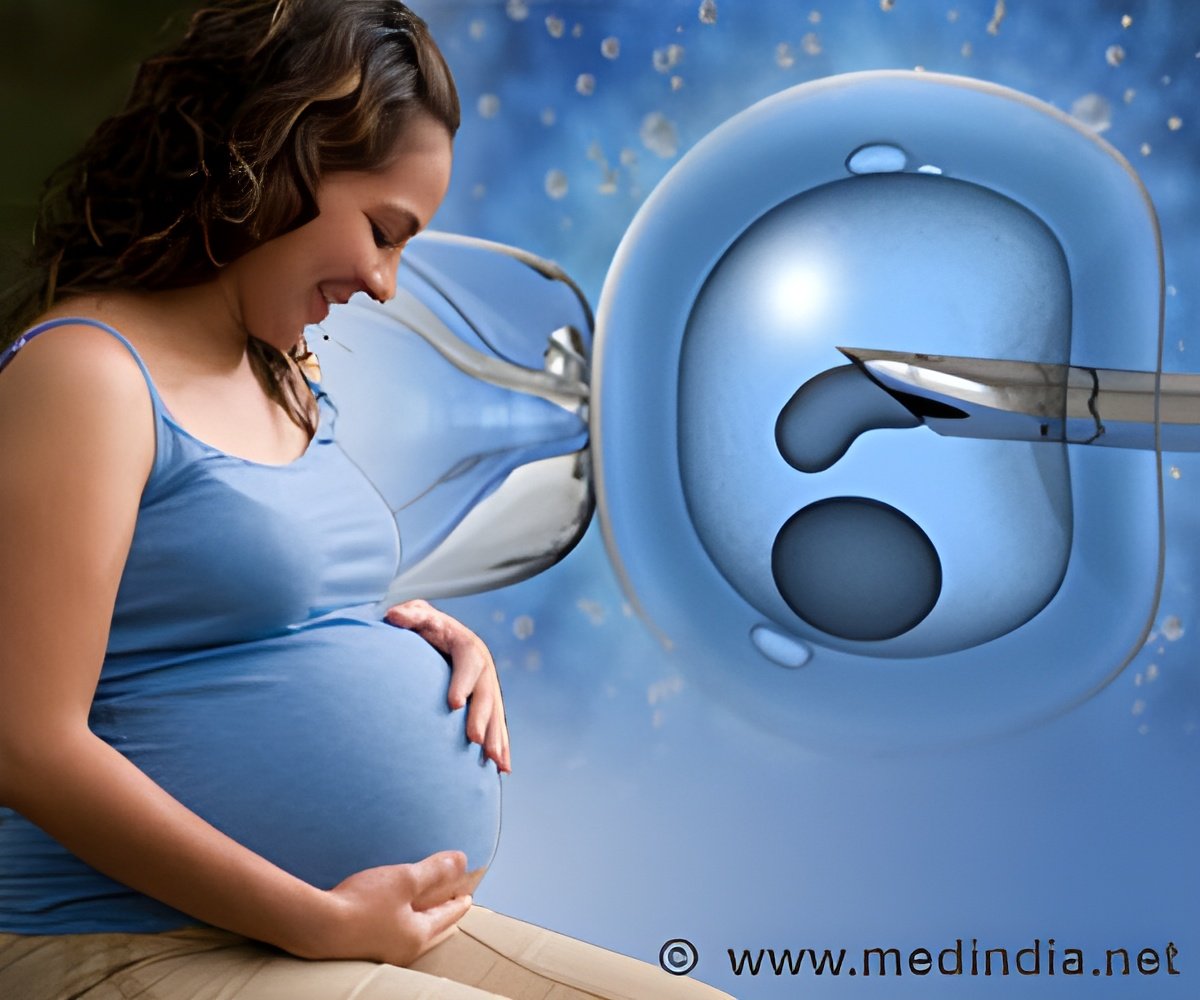
UK Approves Three-Person Babies With Help of Modified IVF Version
UK has become the first country, which has approved the laws to allow the creation of babies from three people with the help of modern IVF technology.
UK has become the first country, which has approved the laws to allow the creation of babies from three people with the help of modern IVF technology.
TOP INSIGHT

Many women undergo a number of IVF cycles without success despite having good quality embryos.
"Many women undergo a number of IVF cycles without success despite having good quality embryos and, up to now, it has been unclear whether or not the lining of the womb may be the cause of that," explained Prof Macklon, medical director of Complete Fertility Centre Southampton, which is based at the city's Princess Anne Hospital and part of the NIHR Southampton Biomedical Research Centre.
"We have now shown that an abnormal gene expression in the lining can be identified in many of these women and that a specific gene 'fingerprint', when present, is always associated with failure, which is very significant in aiding our understanding of IVF failure."
This New Gay Technique May Soon Replace IVF for Having Kids!
People who cannot conceive for physical reasons, same-sex couples or postmenopausal women could potentially use in-vitro gametogenesis (IVG) for reproduction.
People who cannot conceive for physical reasons, same-sex couples or postmenopausal women could potentially use in-vitro gametogenesis (IVG) for reproduction.
Researchers obtained biopsies of the lining of the womb from 43 women with recurrent implantation failure, which occurs when three or more transfers of high quality embryos or the placement of ten or more embryos in multiple transfers fail to result in pregnancy, and 72 women who gave birth after IVF or intra-cytoplasmic sperm injection (ICSI).
Poland's New Right-Wing Government Pulls State Funding for IVF
Poland's new right-wing government will cut state funding for IVF introduced by the previous liberal administration despite opposition from the Catholic church.
Poland's new right-wing government will cut state funding for IVF introduced by the previous liberal administration despite opposition from the Catholic church.
Professor Frank Holstege, head of the genomics laboratory at University Medical Center Utrecht, said: "What this tells us is that a large proportion of women who suffer recurrent implantation failure may be infertile due to a problem with the receptivity of their uterus.
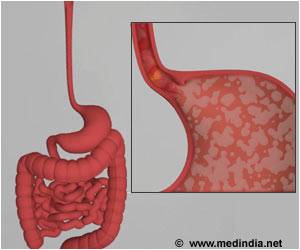
Mothers of IVF Babies at Increased Risk of Gastro-Esophageal Reflux Disease
Medications taken during IVF, psychological stress, and the possibility that women may be spending long periods of time lying down make women susceptible to GERD.
Medications taken during IVF, psychological stress, and the possibility that women may be spending long periods of time lying down make women susceptible to GERD.
"At the same time, those patients who have undergone a number of unsuccessful cycles of IVF but do not have the genetic pattern could be advised to persist as they have a much better chance of achieving a pregnancy."
Professor Macklon, a consultant gynaecologist at University Hospital Southampton NHS Foundation Trust, added: "While we believe this finding to be a very significant development in international fertility research, the next stage is to trial it as a clinical test to study its effectiveness on a wider scale."
Source-Newswise
 Email
Email