MEDINDIA
 English
 हिन्दी
 Español
 français
 中文
中文
The idea of leveraging social media such as Twitter is intuitively attractive, given their natural ties to mobile devices with obvious disaster response implications.

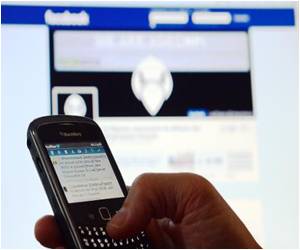
Social Media Platforms Ultimately Help Indians Lead Healthier and Safer Lives
Medical professionals are using WhatsApp, Skype and Viber to reach out to patients, guide them for treatments and also provide counseling post-surgery.
Medical professionals are using WhatsApp, Skype and Viber to reach out to patients, guide them for treatments and also provide counseling post-surgery.
"The idea of leveraging social media data such as Twitter is intuitively attractive, given their natural ties to mobile devices with obvious disaster response implications," he explained.
Similarly, bio-statistician Elaine Nsoesie came up with a method for tracking food borne illness and disease outbreaks using social media sites such as Twitter and Yelp to supplement traditional surveillance systems.

Use Social Media to Create Awareness About Organ Donation - Live or Cadaver: Specialists
Many in the field of organ transplantation are now trying to approach public solicitations for live organ donors through the use of social media.
Many in the field of organ transplantation are now trying to approach public solicitations for live organ donors through the use of social media.
"Reports of food borne illness on review sites could serve as early indicators of food borne disease outbreaks. Information gleaned from such novel data streams could aid traditional surveillance systems in near real-time monitoring of food borne related illnesses," Nsoesie added.

Your Social Media Activity Reflects a Lot About Your Personality
New study by digital analytic platforms reveal that connections between gender, education, political leanings, and preferred publications of Facebook users.
New study by digital analytic platforms reveal that connections between gender, education, political leanings, and preferred publications of Facebook users.
Source-IANS

Social Media is Most Effective in Helping Young Adults Quit Smoking: Canadian Study
A three-month social media campaign - 'Break It Off' and 'Smokers Helpline' - by University of Waterloo helped smokers quit smoking by 34% and 14% respectively.
A three-month social media campaign - 'Break It Off' and 'Smokers Helpline' - by University of Waterloo helped smokers quit smoking by 34% and 14% respectively.
 Email
Email