MEDINDIA
 English
 हिन्दी
 Español
 français
 中文
中文
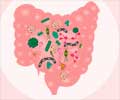
Smart pills developed represent a more accessible and efficient approach to assessing gastrointestinal motility.
Diet Management in Acidity and GERD | Nutritional Management in Acidity
Do you suffer from GERD and acidity? Try out some very useful diet tips to reduce the problem and decrease your dependence on medication.
Do you suffer from GERD and acidity? Try out some very useful diet tips to reduce the problem and decrease your dependence on medication.
TOP INSIGHT

The ingestible pills use magnetic fields to hunt down movement through the gastrointestinal tract with higher resolution and accuracy.
Smart Pills for Gastrointestinal Diagnostics
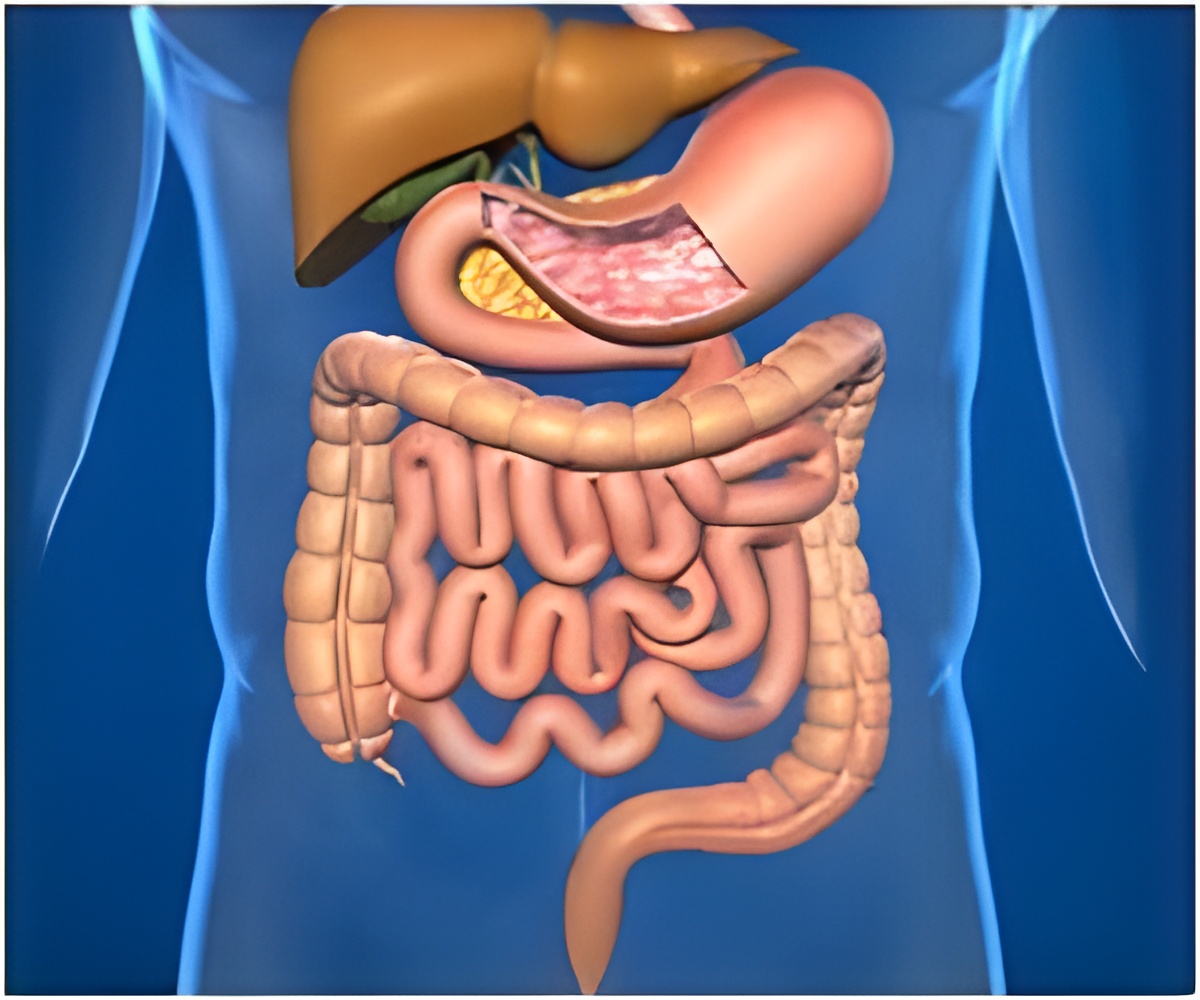
The ingestible wireless device senses and transmits its local magnetic field to an outside receiver. The magnetic field is applied by electromagnets that can be incorporated into backpacks and jackets for a more realistic assessment of GI motility, the movement of food from the mouth through the pharynx (throat), esophagus, stomach, small and large intestines and out of the body, as patients go about their lives. This system was successfully modeled in the gastrointestinal systems of large animals. The findings are reported in the paper titled “Location-aware smart-pills for wireless monitoring of gastrointestinal dynamics,” published in the journal Nature Electronics.It is estimated that gastrointestinal disorders affect more than one third of the world’s population, making it crucial to develop more accurate and effective diagnostic and treatment approaches. Specifically, several diseases such as gastroesophageal reflux disease and gastroparesis can result from abnormal gut motility where ingested food passes too quickly or slowly, making it especially valuable to track the food’s speed through the gut. Existing technology utilizes invasive procedures such as endoscopies or potentially harmful X-ray radiation, and often requires repeated evaluation in a hospital setting. The newly-developed “smart pill” offers a FOV that is more than three orders of magnitude higher than what previous microdevices offered, allowing for a broader scope, non-invasive, convenient, and highly accurate alternative.
“This is a new frontier for medical diagnosis and evidence-based treatment, and has the potential, with further research and refinement, to revolutionize how we can most effectively address health challenges that impact millions of people worldwide.”
Esophageal Disorders - Achalasia Esophagitis Gastroesophageal reflux disease (GERD)
Esophagus is the tubular structure that carries food, liquids and saliva from mouth to the stomach. esophageal disorders are common but lack a well-defined pathogenetic mechanism.
Esophagus is the tubular structure that carries food, liquids and saliva from mouth to the stomach. esophageal disorders are common but lack a well-defined pathogenetic mechanism.
Source-Eurekalert
Know More About the Digestive System
The digestive system comprises the gastrointestinal tract and other organs of digestion. It involves food and fluid that is taken in its breakdown into nutrients which the body then uses for its functioning, energy, growth, cell repair and removing unused waste products from the body...
The digestive system comprises the gastrointestinal tract and other organs of digestion. It involves food and fluid that is taken in its breakdown into nutrients which the body then uses for its functioning, energy, growth, cell repair and removing unused waste products from the body...

 Email
Email