MEDINDIA
 English
 हिन्दी
 Español
 français
 中文
中文
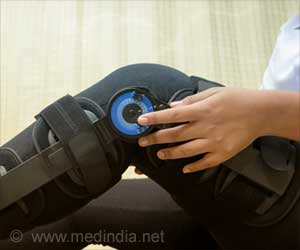
Screening and treatment for obstructive sleep apnea is suggested before going for a surgery, by a new research.

Sleep Disorders in Elderly-Causes-Symptoms-Diagnosis-Treatment-Conclusion
Sleep is a barometer of good health in the elderly. Sleep problems in the elderly are controlled by various external and internal factors.
Sleep is a barometer of good health in the elderly. Sleep problems in the elderly are controlled by various external and internal factors.
The study compared postoperative outcomes in 4,211 patients with OSA, who were diagnosed by sleep study either before or after surgery, with a matched control group of patients who did not have the condition. Those who were diagnosed with OSA prior to surgery were prescribed treatment with continuous positive airway pressure (CPAP) therapy. CPAP keeps a patient's airway open by gently delivering pressurized air through a face mask.
The study found that although patients with untreated OSA were at an increased risk of developing cardiovascular complications, patients who were diagnosed and treated with CPAP therapy before surgery were less than half as likely to experience cardiovascular complications such as cardiac arrest or shock.

Sleeping Disorders
How many times have you stayed awake in the dead of the night counting sheep? If it is fairly often then you could be suffering from a sleep disorder!
How many times have you stayed awake in the dead of the night counting sheep? If it is fairly often then you could be suffering from a sleep disorder!
Quiz on Sleep Disorder
The comfort of modern life comes at the cost of restful sleep! "Laugh and the world laughs with you, snore and you sleep alone-Anthony Burgess" Scientifically it is proven that a good night's sleep is imperative for maintaining a balance between the physical, emotional and behavioral well-being of a person.
The comfort of modern life comes at the cost of restful sleep! "Laugh and the world laughs with you, snore and you sleep alone-Anthony Burgess" Scientifically it is proven that a good night's sleep is imperative for maintaining a balance between the physical, emotional and behavioral well-being of a person.

Sleep Disorders Widely Undiagnosed in Individuals With Multiple Sclerosis, Says Study
New research conducted by UC Davis researchers highlights the importance of diagnosing the root causes of fatigue among individuals with multiple sclerosis.
New research conducted by UC Davis researchers highlights the importance of diagnosing the root causes of fatigue among individuals with multiple sclerosis.
 Email
Email