MEDINDIA
 English
 हिन्दी
 Español
 français
 中文
中文
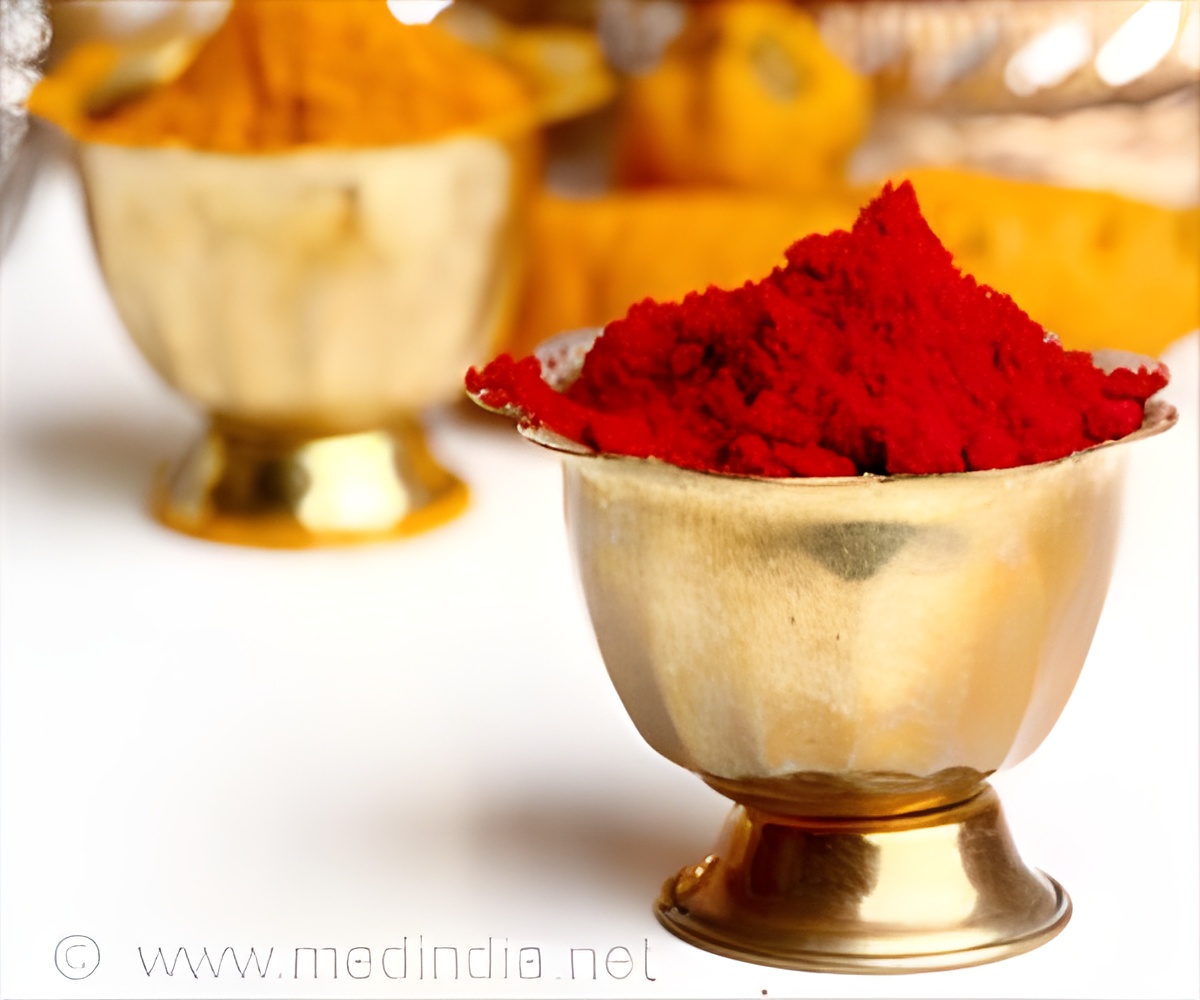
One gram of sindoor contains at least 1 gm of lead which exceeds the safe limit imposed by the U.S. Food and Drug Administration.
Lead Poisoning - Facts & Statistics, Health Effects, Diagnosis, Treatment
Lead Poisoning occurs due to exposure to the heavy metal lead. The presence of lead in the body above a certain limit is associated with severe health effects.
Lead Poisoning occurs due to exposure to the heavy metal lead. The presence of lead in the body above a certain limit is associated with severe health effects.
TOP INSIGHT

Sindoor, a scarlet-colored powder that is used by women to place a bindi, or red dot, cosmetically on their foreheads contains unsafe levels of lead.
"There is no safe level of lead," said Derek Shendell, associate professor of Environmental and Occupational Health in the School of Public Health and co-author of the study. "That’s why we believe sindoor powder shouldn’t be sold or brought into the United States unless it is lead free."
Lead is a highly toxic poison associated with lower IQ, behavioral problems and growth delays in children who often are exposed hand to mouth. At least 4 million households in the United States have children living in them that are being exposed to high levels of lead, according to the U.S. Centers for Disease Control and Prevention, which says no safe blood level of lead has been identified.

Lead Exposure In Childhood Affects IQ Levels After 30 Years
Childhood lead exposure is associated with cognitive function and socioeconomic status in adulthood and with changes in IQ.
Childhood lead exposure is associated with cognitive function and socioeconomic status in adulthood and with changes in IQ.
The results indicated about one-third of the samples, which include 95 from South Asian stores in New Jersey and 23 from stores in Mumbai and New Delhi, India, contained lead levels above the limit set by the U.S. Food and Drug Administration.
Common Types of Liver diseases leading to Liver Transplantation
Liver disease that ends in liver failure (end stage liver disease), disrupting several important metabolic functions needs liver transplant for patient survival.
Liver disease that ends in liver failure (end stage liver disease), disrupting several important metabolic functions needs liver transplant for patient survival.
Shendell, and co-authors Manthan P. Shah, a scientist with the U.S. Environmental Protection Agency who based his dissertation on the study, and William Halperin, professor of Epidemiology at the School of Public Health, said at a minimum there is a need to monitor sindoor lead levels and make the public aware of the potential hazards.

Sleep Deprivation can lead to a Host of Serious Health Problems
Whether you have trouble sleeping or trouble staying asleep, it’s important that you address the causes of sleep deprivation and cultivate good sleep habits.
Whether you have trouble sleeping or trouble staying asleep, it’s important that you address the causes of sleep deprivation and cultivate good sleep habits.
The researchers are concerned about the amount of sindoor potentially entering the country on a weekly basis through the four international airports in the New York and New Jersey metropolitan area, including Philadelphia. Halperin said he took a trip to India, brought back sindoor and was not stopped by U.S. Customs and told that the product might be hazardous.
Researchers say the government should look at this as a public health issue and not rely on consumers to make the right choices. It is difficult, they say, to determine exactly which products contain lead based on the variety of sindoor available and because the number of products which contained lead in this study is high.
"We shouldn’t depend on people making the right decision on what product to use," said Halperin. "This is a public health issue that needs to be taken seriously."
Source-Eurekalert
 Email
Email