MEDINDIA
 English
 हिन्दी
 Español
 français
 中文
中文
Researchers have identified the specific symptoms that put patients at the greatest risk of dying from sepsis - and they're not what many clinicians might think.


Sepsis / Septicemia-Causes-Symptoms-Treatment-Complications
Septicemia or sepsis is a serious illness wherein a patient develops symptoms due to presence of microbes or their toxins in the blood. Septicemia or sepsis is caused by bacteria, viruses and fungi.
Septicemia or sepsis is a serious illness wherein a patient develops symptoms due to presence of microbes or their toxins in the blood. Septicemia or sepsis is caused by bacteria, viruses and fungi.
TOP INSIGHT

Impaired kidney function is one of the leading predictors of sepsis patient mortality.
The researchers found that the more well-known symptoms of sepsis, such as low blood pressure, were linked to lower mortality rates in the population they studied.
"That likely speaks more to the health care providers' response to the symptom, than the low blood pressure itself actually being a protective factor," Arnold added. "With sepsis, patients generally don't fall off of a cliff. Instead, it's a day by day, gradual deterioration. Maybe someone has a small increase in creatinine today, and tomorrow it's a little worse. Those subtle changes that don't get detected, we found, lead to death."

Test Your Knowledge on Sepsis
Sepsis or septicemia occurs when the body responds in an exaggerated manner to infection resulting in bloodstream infection with severe tissue damage and multiple organ failure and death if not managed promptly. Take this quiz to test your knowledge on sepsis.
Sepsis or septicemia occurs when the body responds in an exaggerated manner to infection resulting in bloodstream infection with severe tissue damage and multiple organ failure and death if not managed promptly. Take this quiz to test your knowledge on sepsis.
Of the 210,289 visits during the study period, 62,057 patients (30 percent) were treated for an infection, and 48,680 (78 percent) experienced organ dysfunction. Of the patients treated for an infection, 1,955 (3 percent) died during this period. Patients with worsening kidney function (increase in creatinine levels by 50 percent from baseline) had the highest mortality rate (17 percent), followed by mechanical ventilation requirement (13 percent). Patients with hypotension had the lowest incidents of death. The researchers also found that treating patients for an infection within 24 hours of being admitted to the hospital significantly lowered their risk of dying.
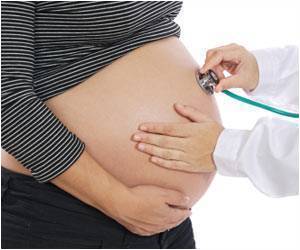
Screening Tools can Miss Sepsis in Pregnancy
New research reveals a need for better tools for catching severe infections in pregnant women; simple early interventions are crucial, too.
New research reveals a need for better tools for catching severe infections in pregnant women; simple early interventions are crucial, too.
"The integration of analytics and clinical, translational research provides insight into developing smart and connected systems that support data-driven and personalized management of sepsis," Capan said.

Artificial Intelligence System Could Help Treat Sepsis Patients
Artificial intelligence system made more reliable treatment decisions than human doctors for patients with sepsis.
Artificial intelligence system made more reliable treatment decisions than human doctors for patients with sepsis.
"Now, when a new patient walks into the hospital, we can use our math and analytic skills to match that patient's fingerprint and really see: 'What is that person's individualized risk of in-hospital death?' and 'What is that person's individual risk of developing septic shock?' That is very useful, and very exciting," Capan said.
Source-Eurekalert
 Email
Email