MEDINDIA
 English
 हिन्दी
 Español
 français
 中文
中文
Electronic sepsis alert could reduce missed diagnosis by 76% in children, finds a new study.


Child Survivors of Sepsis Often Experience Long Haul in Recovery
Children who survive sepsis may show feeling effects on physical, social, emotional and school functioning for months after discharge from the hospital.
Children who survive sepsis may show feeling effects on physical, social, emotional and school functioning for months after discharge from the hospital.
TOP INSIGHT

Electronic sepsis alert that identifies children with severe sepsis in the pediatric emergency department can reduce the missed sepsis diagnosis by 76%
"Identifying the rare child with severe sepsis or septic shock among the many non-septic children with fever and tachycardia in a pediatric ER is truly akin to finding the proverbial 'needle in a haystack.' This alert, especially with the inclusion of physician judgment, gets us much closer to catching most of those very sick children and treating them quickly."
Researchers built a two-stage alert (ESA) and implemented it into the hospital's electronic health record (EHR). The first-stage alert is triggered when an age-based elevated heart rate or hypotensive blood pressure is documented in the EHR at any time during the emergency visit. If the patient also has a fever or risk of infection, the alert triggers a series of questions about underlying high risk conditions, perfusion and mental status.
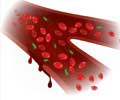
Sepsis / Septicemia-Causes-Symptoms-Treatment-Complications
Septicemia or sepsis is a serious illness wherein a patient develops symptoms due to presence of microbes or their toxins in the blood. Septicemia or sepsis is caused by bacteria, viruses and fungi.
Septicemia or sepsis is a serious illness wherein a patient develops symptoms due to presence of microbes or their toxins in the blood. Septicemia or sepsis is caused by bacteria, viruses and fungi.
"Clinical identification remains critically important to making this protocol successful in identifying and treating these sick children," said Dr. Balamuth.

Neonatal Sepsis Risk Calculator Developed to Lower Use of Antibiotics
A risk calculator has been developed for neonatal sepsis which is found to lower the use of antibiotics among neonates
A risk calculator has been developed for neonatal sepsis which is found to lower the use of antibiotics among neonates
The accompanying editorial, by Andrea Cruz, MD, MPH of the Baylor College of Medicine in Houston, Texas states: "This ESA advances the field of sepsis recognition by integrating vital sign anomalies, comorbidities that increase a child's risk for sepsis, and clinical judgment into a tool that is both more sensitive and specific than prior alerts as well as less prone to alert fatigue."
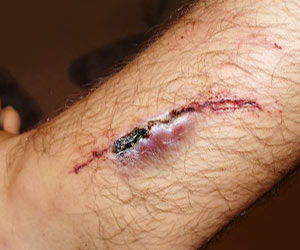
Biomarker That Predicts Death in Sepsis Patients
Sepsis is difficult to diagnose and even more difficult to treat.
Sepsis is difficult to diagnose and even more difficult to treat.
Source-Eurekalert
 Email
Email