
Importance of Sleep for Athletes
Sleep is as important as good physical training and a healthy diet to excel for an athlete. Understand the physiology of rest & its importance.
Sleep is as important as good physical training and a healthy diet to excel for an athlete. Understand the physiology of rest & its importance.
‘Heart characteristics and blood pressure values in collegiate football players compared with normal values has been described by researchers.’
Tweet it Now
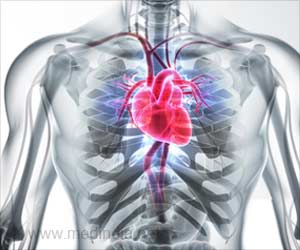
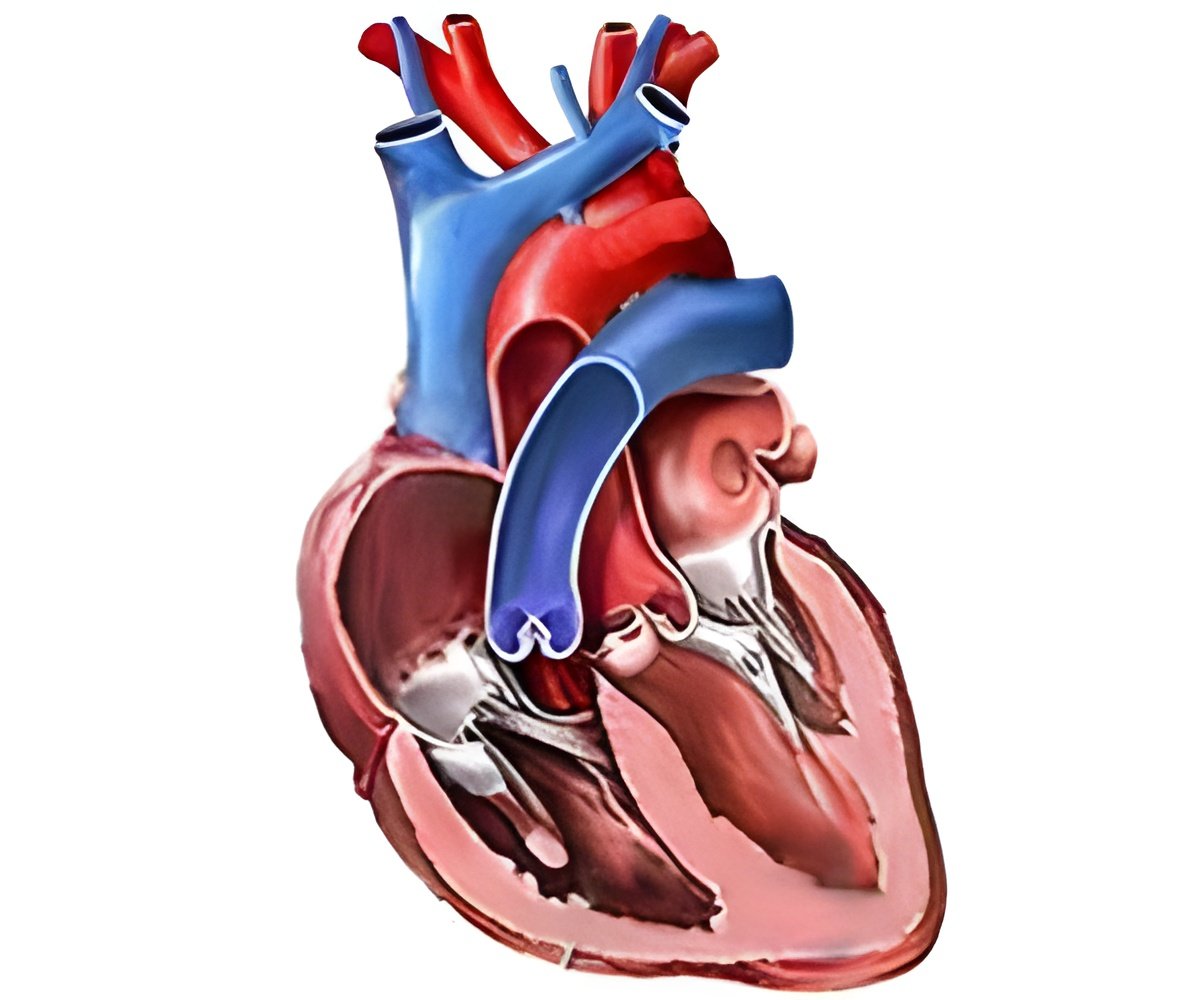
Crouse, professor of kinesiology and joint professor of internal medicine, and his colleagues studied 80 incoming Texas A&M football players. Data was collected over three years as part of a pre-participation physical exam. The purpose was to describe heart characteristics and blood pressure values in collegiate ASF athletes compared with normal values. "Before this study, there weren't baseline comparative benchmarks for screening and follow up of incoming NCAA football players for cardiac anatomical variations, blood pressure, and training effect," said John Erwin, III, associate professor of internal medicine and co-author of this research. "These results should serve as a basis to better define normal and abnormal findings in athletes' hearts."
"The aspect of health in athletes is a really important component of what we do here at Texas A&M," Crouse added. "Even though performance is very important, health of the athletes is critical."

Best Sports Supplements to Improve Athletes' Performance
Sports supplements are substances used to improve athletic performance. Read interesting information on sports foods, dietary supplements and ergogenic aids along with their benefits and side effects.
Sports supplements are substances used to improve athletic performance. Read interesting information on sports foods, dietary supplements and ergogenic aids along with their benefits and side effects.
"Our study doesn't really tell us much about how well these athletes are going to perform on the field," Crouse said. "We don't say anything about having a bigger heart making you a better athlete. All we're trying to do is get information that will help us make health judgments and help the athletes be healthier."
Advertisement

Diet and Nutrition Tips for Athletes
Athletes can be physically fit by consuming a well balanced nutritious diet, which keeps them mentally alert not only during and after the sports events but all around the year. Here are some simple and essential diet and nutrition tips for athletes.
Athletes can be physically fit by consuming a well balanced nutritious diet, which keeps them mentally alert not only during and after the sports events but all around the year. Here are some simple and essential diet and nutrition tips for athletes.
Still, the researchers see these results as confirming the importance monitoring athletes' blood pressure on a regular basis throughout their college athletic career and beyond.
Advertisement

Top Athletes' Diet Plan: How Much Carbohydrate is Needed?
Carbohydrates in an athlete’s diet provide energy and are vital to improve exercise performance. Find how out much carbohydrate an athlete needs to include in the diet for peak performance.
Carbohydrates in an athlete’s diet provide energy and are vital to improve exercise performance. Find how out much carbohydrate an athlete needs to include in the diet for peak performance.
Source-Newswise