MEDINDIA
 English
 हिन्दी
 Español
 français
 中文
中文
A platelet-rich plasma treatment helps scientists reverse menopause by rejuvenating the ovaries


New Approach to Identify Women's Beliefs About Their Experiences Attributable to Menopause
The standard checklist approach to studying menopause symptoms leaves gaps in the knowledge of true symptoms of menopause in clinical researchers
The standard checklist approach to studying menopause symptoms leaves gaps in the knowledge of true symptoms of menopause in clinical researchers
TOP INSIGHT

Ovaries can be rejuvenated by using a blood treatment with platelet-rich plasma. This helps to reverse the menopause and collect and fertilize eggs. As a result, older and post-menopausal women will be able to conceive.
From these restarted periods, the researchers have been able to collect and fertilise eggs which the women have released, raising the possibility that they could be implanted in their uterus and the women could subsequently have children. However, the team have yet to implant any eggs to test the theory.
Trials claim to have rejuvenated women’s ovaries using a blood treatment normally used to help wounds heal faster and have reversed menstrual cessation in multiple women. One woman who had undergone menopause five years ago, now 40 years old, wanted a baby, responded well to the treatment. Six months after the treatment, the woman had her first periods. Scientists collected three eggs from the woman and two of them have been successfully fertilized with her husband’s sperm. Once there are three, they will be implanted into her uterus.

World Menopause Day 2014 � Prevention of Diseases After Menopause
World Menopause Day is celebrated every year to bring awareness to menopausal health and to make life after menopause better for women all across the world.
World Menopause Day is celebrated every year to bring awareness to menopausal health and to make life after menopause better for women all across the world.
Konstantinos Sfakianoudis a gynecologist at the Genesis Athens Hospital’s Center for Human Reproduction told, “It offers a window of hope that menopausal women will be able to get pregnant using their own genetic material. It seems to work in about two-thirds of cases. We see changes in biochemical patterns, a restoration of menses, and egg recruitment and fertilisation.” He said he has treated the ovaries of around 30 menopausal women age 46 to 49 with PRP and was able to retrieve and fertilize eggs from most of them. He added, “We need larger studies before we can know for sure how effective the treatment is.”
Endometriosis Awareness Month 2016
March is designated as Endometriosis Awareness Month all over the globe. Endometriosis affects nearly 176 million women globally.
March is designated as Endometriosis Awareness Month all over the globe. Endometriosis affects nearly 176 million women globally.
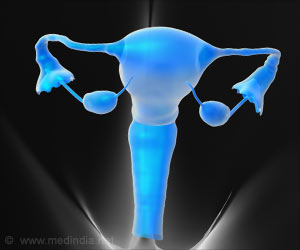
America�s First Uterus Transplant Failed Due to Complications
The uterus transplant was performed at the Cleveland clinic in the month of February. Doctors removed the uterus as the patient suffered complications.
The uterus transplant was performed at the Cleveland clinic in the month of February. Doctors removed the uterus as the patient suffered complications.
 Email
Email