MEDINDIA
 English
 हिन्दी
 Español
 français
 中文
中文
MicroRNA biomarkers in pregnant women may help reveal if they are at higher risk for preeclampsia. However, early identification can lead to prevention and better maternal and newborn outcomes.
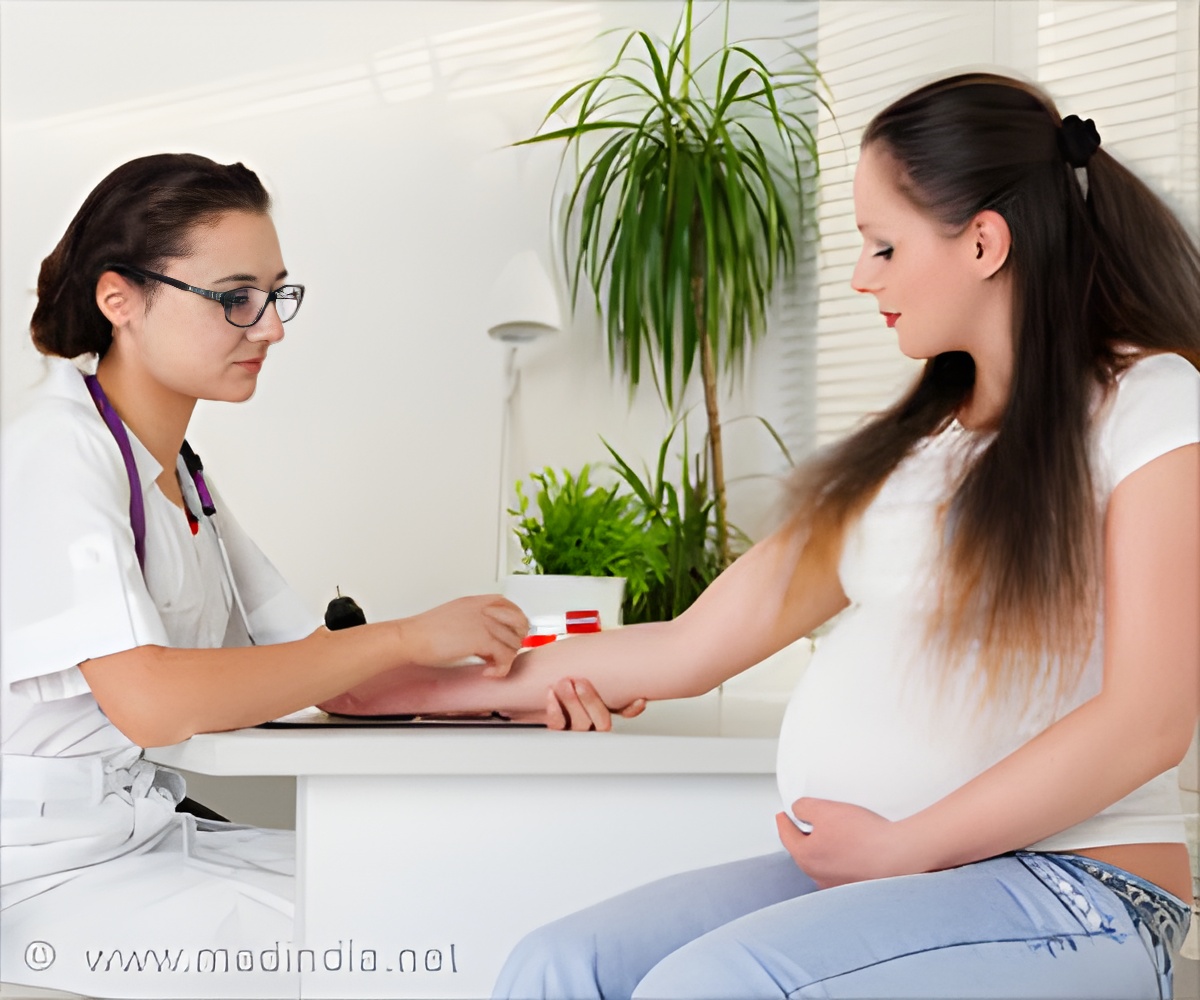

HELLP Syndrome - Causes, Symptoms, Diagnosis, Treatment & Prognosis
HELLP syndrome is a rare but serious complication that affects pregnant women. If detected on time, it can be treated to prevent harm to the mother and the baby.
HELLP syndrome is a rare but serious complication that affects pregnant women. If detected on time, it can be treated to prevent harm to the mother and the baby.
TOP INSIGHT

MicroRNA biomarkers in pregnant women may help reveal if they are at higher risk for preeclampsia. However, early identification can lead to prevention and better maternal and newborn outcomes.
"The ability to identify pregnancies at high risk for developing preeclampsia would be of great value to patients and their doctors to better personalize prenatal care," said senior author Louise Laurent, MD, PhD, professor in the Department of Obstetrics, Gynecology and Reproductive Sciences at UC San Diego School of Medicine.
"This would enable prompt detection and optimal management of pregnancies that develop preeclampsia. And the information could be used to better identify participants for research studies testing preventive therapies."
Preterm Preeclampsia Associated With Cardiovascular Mortality in Women With Single Child
Women with preterm preeclampsia with a single child are more prone to cardiovascular disease, according to recent research.
Women with preterm preeclampsia with a single child are more prone to cardiovascular disease, according to recent research.
Symptoms of preeclampsia -- most notably hypertension, but also sudden weight gain, swelling, severe headaches, abdominal pain and nausea -- appear during the second half of pregnancy, though Laurent said studies suggest the disorder is caused by problems with placental development early in pregnancy. Delayed diagnosis and suboptimal management of preeclampsia typically results in poorer outcomes for mother and child.
Preeclampsia Associated With Increased Risk of Hypertension After pregnancy
Women diagnosed with severe preeclampsia during pregnancy remain at risk of developing hypertension after pregnancy
Women diagnosed with severe preeclampsia during pregnancy remain at risk of developing hypertension after pregnancy
Laurent said the next step will be to validate these miRNA biomarkers in a large independent pregnancy cohort, with the ultimate goal of developing a clinical test for screening women early in pregnancy for increased risk of preeclampsia.
Preeclampsia Risk In Mother Increased By Specific DNA Variants in Fetus
Presence of certain DNA variants in the baby can enhance the risk of preeclampsia in the mother during the pregnancy.
Presence of certain DNA variants in the baby can enhance the risk of preeclampsia in the mother during the pregnancy.
Source-Eurekalert
 Email
Email