MEDINDIA
 English
 हिन्दी
 Español
 français
 中文
中文
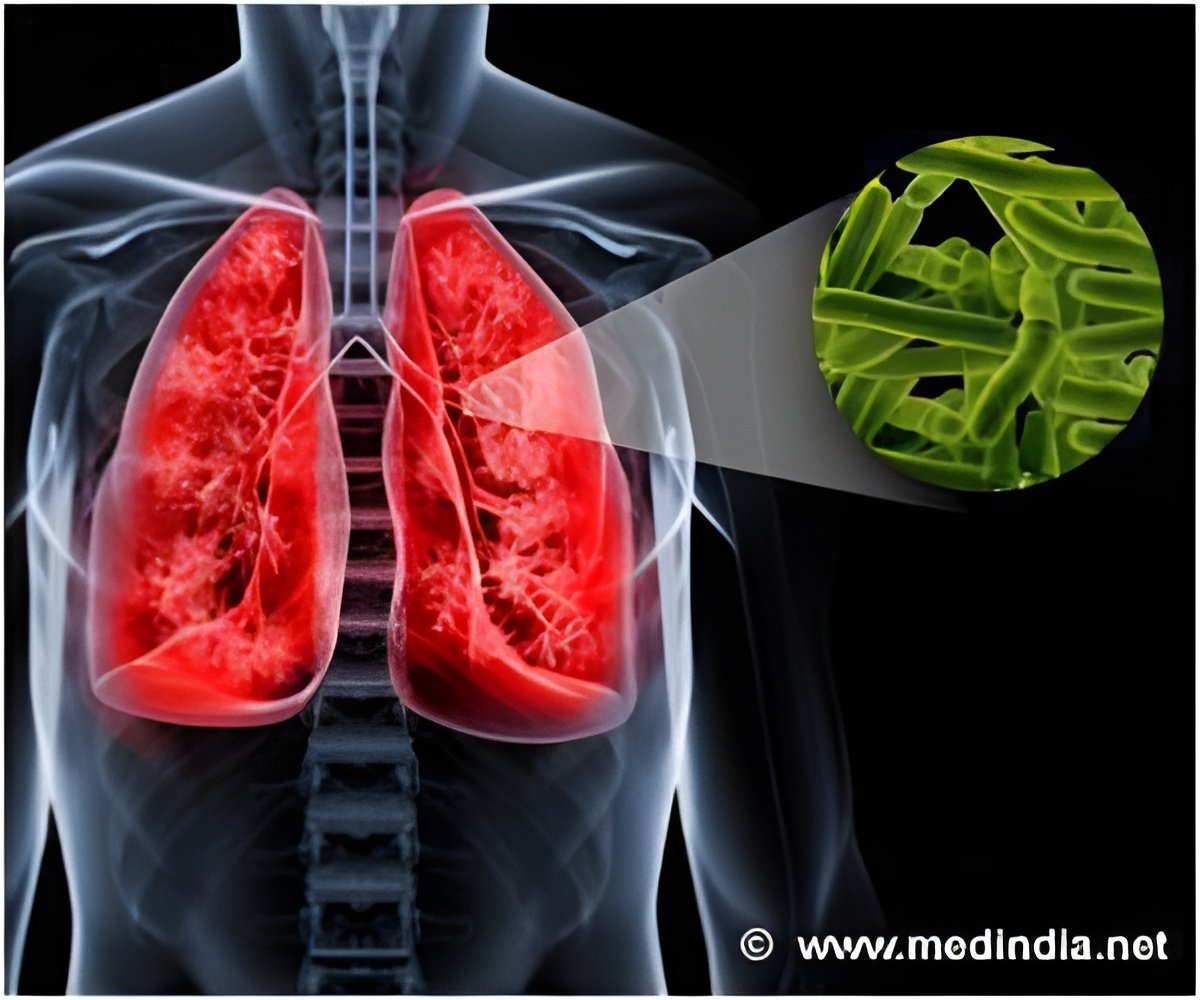
Team of Flemish researchers has identified that the bacteria responsible for the disease, Mycobacterium tuberculosis, has a unique defense mechanism against oxygen.
Tuberculosis - Spread - Symptoms - Diagnosis - Treatment - FAQs
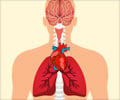
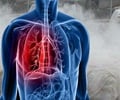
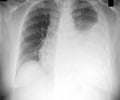
Tuberculosis, caused by Mycobacterium tuberculosis, primarily affects the lung. It may spread to other organs.
Tuberculosis, caused by Mycobacterium tuberculosis, primarily affects the lung. It may spread to other organs.
Attacking essential proteinsOur immune system uses reactive oxygen molecules in the defence against intruders, for example against Mycobacterium. Proteins are particularly sensitive to the effects of oxygen (oxidation). Proteins with sulphur-containing components are particularly sensitive and become inactive with oxidation. Following damage by oxygen, Mycobacterium places the mycothiol molecule on such proteins. After a period of oxygen stress this molecule has to be removed again for the proper functioning of the protein. It was not known how this happened, until now.
Protection and recoveryJoris Messens and his team have discovered that Mycobacterium tuberculosis protects sulphur-containing proteins in a unique way and actively repairs these proteins once the oxygen stress disappears. They discovered the protein mycoredoxin-1, which forms the basis of this ingenious repair mechanism. The scientists analysed the protein structure and the function of the protein and found that mycoredoxin-1 selectively removes mycothiol from affected sulphur-containing proteins and thereby ensures the activation of these proteins. Joris Messens: "We could combat tuberculosis more effectively by searching for components that disable mycoredoxin-1. The bacterium would not be able to recover as quickly from an oxygen attack by our immune system."

Screening Tests for Tuberculosis
Tuberculin skin test and Interferon – Release Assays are tests used to screen for tuberculosis.
Tuberculin skin test and Interferon – Release Assays are tests used to screen for tuberculosis.
Source-Eurekalert

Drug Resistance – Antibiotic or Antimicrobial Resistance
Drug resistance is often a problem in malaria, tuberculosis, HIV, sexually transmitted diseases and hospital acquired diseases. Judicious use of antibiotics can control the problem.
Drug resistance is often a problem in malaria, tuberculosis, HIV, sexually transmitted diseases and hospital acquired diseases. Judicious use of antibiotics can control the problem.
 Email
Email