MEDINDIA
 English
 हिन्दी
 Español
 français
 中文
中文
A new study reports on the finding of a small protein chemokine called CCL26 that acts as a potent regulator of the migration of asthmatic eosinophils.
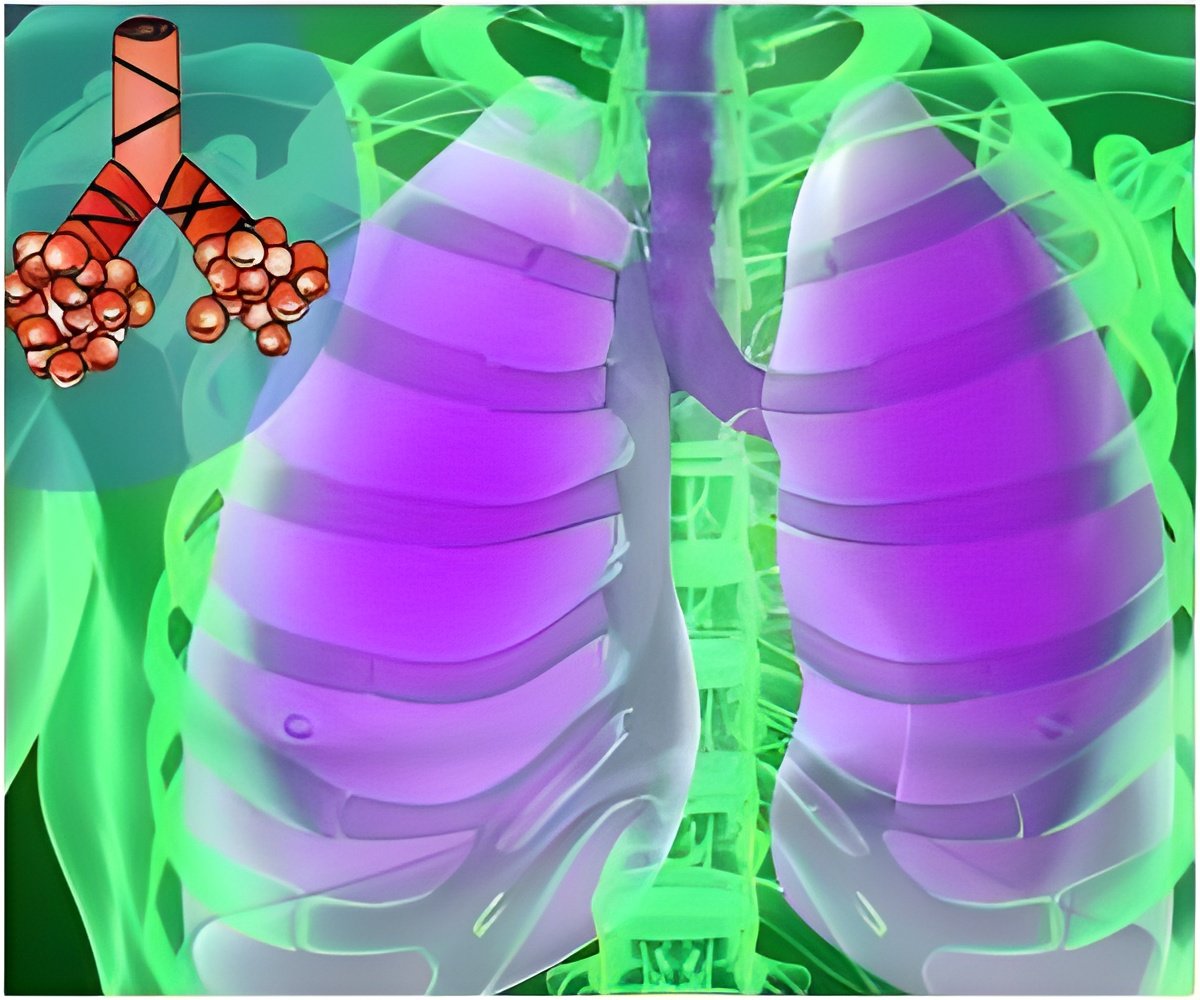

Asthma - Factors, Common Allergens, Diagnosis, Treatment, Support Groups, FAQs
It's a lung condition characterized by inflammation of the bronchi and constriction of the airways that result in coughing, wheezing or breathlessness. Allergy and other airway irritants can trigger it
It's a lung condition characterized by inflammation of the bronchi and constriction of the airways that result in coughing, wheezing or breathlessness. Allergy and other airway irritants can trigger it
"The control of eosinophils is central to asthmatic diseases and the underlying mechanisms are prime targets for treatments for the debilitating and sometimes life-threatening symptoms of asthma and allergy," said John Wherry, Ph.D., Deputy Editor of the Journal of Leukocyte Biology. "This report shows that CCL26 could be a novel drug target to regulate eosinophils in these diseases."
Source-Eurekalert

Wheezing - Symptom Evaluation
Wheezing is a sound arising from the airways due to an obstruction or narrowing, which prevents the free flow of air.
Wheezing is a sound arising from the airways due to an obstruction or narrowing, which prevents the free flow of air.
Advantages of Eating Fish Foods - Health Benefits
Researchers worldwide have discovered that eating fish regularly is good for health. Regular consumption of fish may reduce the risk of diseases such as asthma, prostate cancer and eyesight.
Researchers worldwide have discovered that eating fish regularly is good for health. Regular consumption of fish may reduce the risk of diseases such as asthma, prostate cancer and eyesight.
 Email
Email