MEDINDIA
 English
 हिन्दी
 Español
 français
 中文
中文
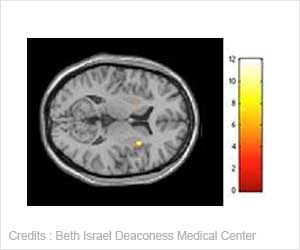
Researchers found early signs of damage after examining the blood metabolomics profile of smokers.


Anxiety Disorders Make It Difficult to Quit Smoking
The reason why many smokers find it difficult to get rid of the habit may have been discovered by researchers working on a new study.
The reason why many smokers find it difficult to get rid of the habit may have been discovered by researchers working on a new study.
Shields says the findings could help in the development of new blood tests that will allow researchers to assess the harmfulness of one tobacco product compared to another. This could be useful to the federal Food and Drug Administration, the agency charged by Congress to begin controlling the contents of cigarettes.
The study presents a new way to evaluate the effect of cigarette smoking in humans, say the researchers. Previously, cigarette manufacturers were only required to use machines that "smoked" cigarettes to derive the chemical content of potential carcinogens. "We have come up with an actual picture of what is happening in the body of smokers and the harm that is being produced," Hsu says.
Small Bars Exempted from Smoking Ban in the Netherlands
Bars smaller than 70 square metres (753 square feet), with no staff other than the owner, from a smoking ban introduced in July 2008, the Dutch government said on Wednesday.
Bars smaller than 70 square metres (753 square feet), with no staff other than the owner, from a smoking ban introduced in July 2008, the Dutch government said on Wednesday.
The researchers then analyzed the global metabolomic profile of about 3,000 chemicals in the blood of each smoker. A metabolite is produced when anything taken into the body – such as food, tobacco smoke, alcohol, medicine – is metabolized, or broken down into chemicals that produce a biological function via metabolic pathways. The global metabolome is the network of metabolic reactions, and metabolomics is analysis of the metabolome at any given time.
Tailored Anti-smoking Campaigns for Teenagers
Teenagers need more effective anti-smoking campaigns tailored to their needs, state researchers who presented a new report on teen smokers.
Teenagers need more effective anti-smoking campaigns tailored to their needs, state researchers who presented a new report on teen smokers.
The study is ongoing, and researchers also plan to compare changes in those smokers' metabolome to their transcriptome – all RNA molecules produced in the cells of the smokers, which was done in the lab few years ago. This would reflect the genes that are actively being expressed at a given time.

Smoking More Prevalent in Night Owls
People who enjoy night outs are more prone to picking up the smoking habit compared to early risers, a new study reveals.
People who enjoy night outs are more prone to picking up the smoking habit compared to early risers, a new study reveals.
Source-Eurekalert
 Email
Email