MEDINDIA
 English
 हिन्दी
 Español
 français
 中文
中文
Researchers analyzed data of more than 181 species of carnivores to determine how animal defenses evolved over centuries.
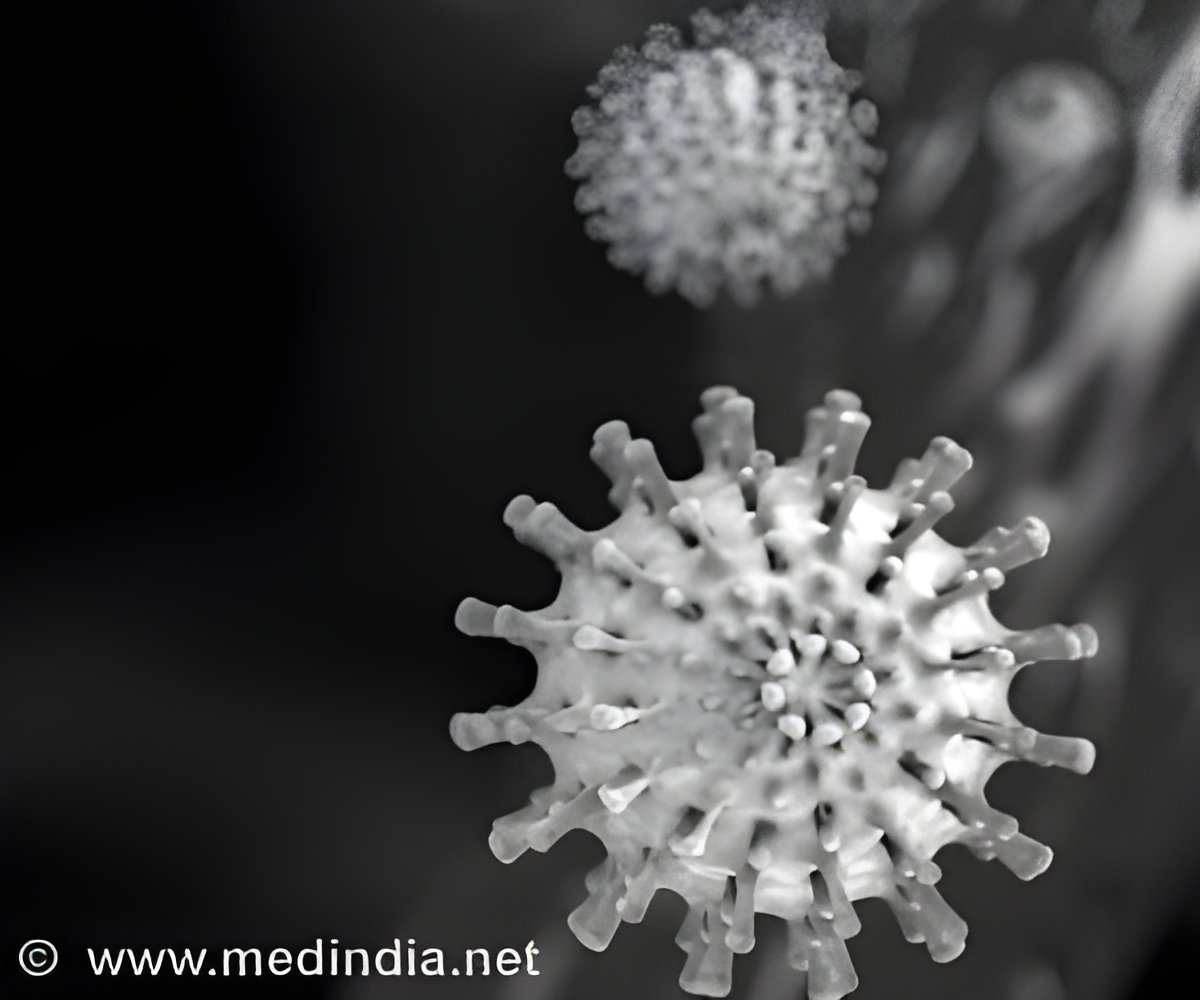

Super Immune Boosters
Grab these foods of the supermarket shelves to pack in the immune boost. Read on…
Grab these foods of the supermarket shelves to pack in the immune boost. Read on…
Conversely, small carnivores like mongooses and meerkats usually are active during the day which puts them at risk from birds of prey. Living in a large social group means "more eyes on the sky" in daytime, when threats can be detected further away.
The social animals also use other defenses such as calling out a warning to other members of their group or even mobbing together to bite and scratch an intruder to drive it away.
Autoimmune Disorders - Types - Symptoms - Signs - Diagnosis - Treatment
Autoimmune disorders occur when the immune system fails to recognize the body as ‘self’ and attacks it.
Autoimmune disorders occur when the immune system fails to recognize the body as ‘self’ and attacks it.
Source-ANI
 Email
Email