MEDINDIA
 English
 हिन्दी
 Español
 français
 中文
中文
New research suggests that there is a high degree of correlation.
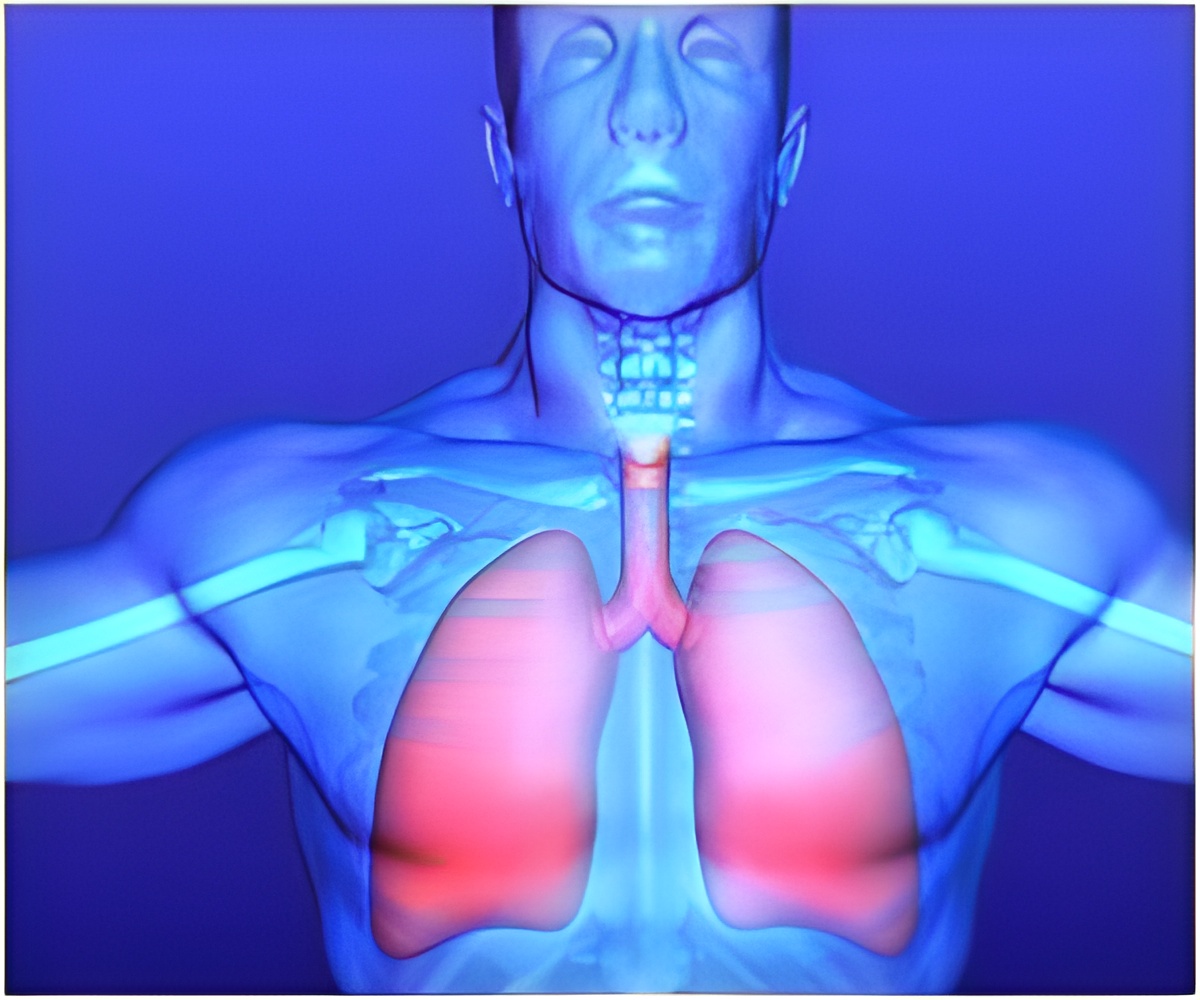
Lung Biopsy - Indications - Procedures - Risks - FAQs - Reference
The procedure by which tissue samples are obtained from the lung is known as lung biopsy. The biopsy tissues obtained from the lungs are examined by a pathologist.
The procedure by which tissue samples are obtained from the lung is known as lung biopsy. The biopsy tissues obtained from the lungs are examined by a pathologist.
The authors acknowledge that "tumor tissue should be considered the preferred sample type when available, however, our encouraging results suggest that a single plasma-derived ctDNA sample may be considered appropriate for assessment of EGFR mutation status when tumor tissue is unavailable or exhausted". "As there are no published guidelines for the use of ctDNA for EGFR mutation analysis in the absence of tumor tissue, these results may help address this current unmet need." Dr. Douillard, lead author of the study, says his next steps are to "look for resistance mutations, like T790M, during treatment to better understand mechanisms of resistance and anticipate later line treatment at progression". For future research he also suggests "searching for other resistance mutations along the EGFR pathway, as well as other related pathways, and improving the sensitivity by using more powerful testing methods, like next generation sequencers".

Lung Cancer Screening - FAQs
Lung cancer accounts for nearly 1.3 million deaths annually worldwide. Lung cancer screening can help in early detection of cancer and possible cure.
Lung cancer accounts for nearly 1.3 million deaths annually worldwide. Lung cancer screening can help in early detection of cancer and possible cure.
Lung Cancer - Types, Causes, Symptoms, Diagnosis, Treatment and Prevention
Lung cancer is a malignant tumor in the lung tissues. Smoking is the main cause of lung cancer with symptoms like recurrent respiratory diseases.
Lung cancer is a malignant tumor in the lung tissues. Smoking is the main cause of lung cancer with symptoms like recurrent respiratory diseases.
 Email
Email