MEDINDIA
 English
 हिन्दी
 Español
 français
 中文
中文
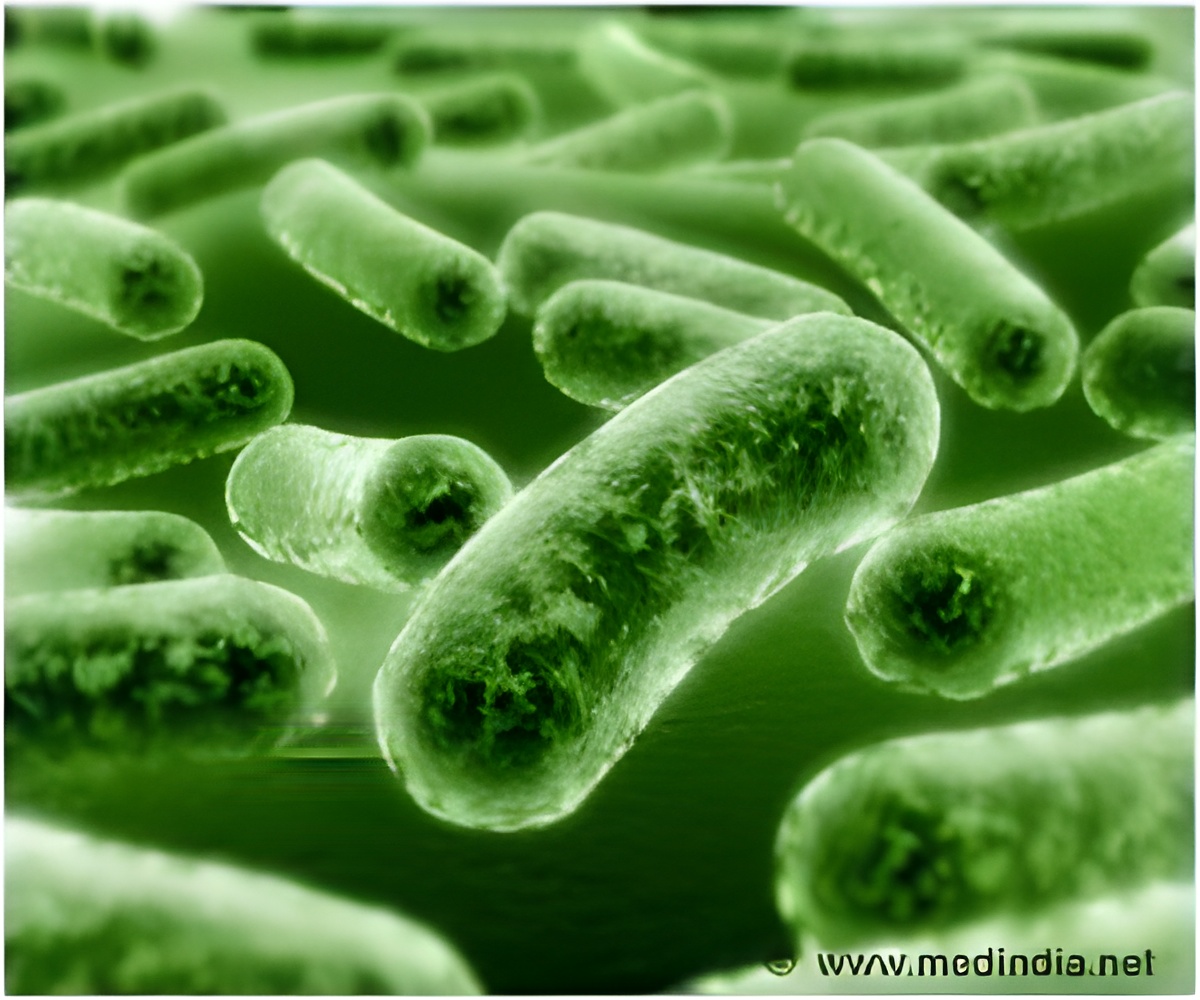
Research says that extinct microbes in fecal samples from archaeological sites across the world resemble those found in present-day rural African communities.
About Mosquito Diseases
Mosquito-borne diseases, like malaria, filaria, dengue, etc are common in places conducive of mosquito breeding. Swamps, ponds and stagnated drainage provide optimal breeding ground for mosquitoes.
Mosquito-borne diseases, like malaria, filaria, dengue, etc are common in places conducive of mosquito breeding. Swamps, ponds and stagnated drainage provide optimal breeding ground for mosquitoes.
As Lewis explains, "It is becoming accepted that modern aseptic and antibiotic practices, are often beneficial but come with a price, such as compromising the natural development of our immune system through changing the relationship we had with microbes ancestrally. What is unclear is what that ancestral state looked like. This paper demonstrates that we can use ancient human biological samples to learn about these ancestral relationships, despite the challenges of subsequent events like degradation and contamination."
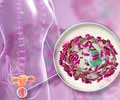
About Bacterial Vaginosis
Bacterial vaginosis (BV) is a disorder characterized by an offensive vaginal discharge & it is most common among women of childbearing age.
Bacterial vaginosis (BV) is a disorder characterized by an offensive vaginal discharge & it is most common among women of childbearing age.
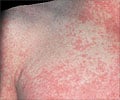
Rheumatic Fever - Causes - Symptoms - Diagnosis - Treatment - FAQs
Rheumatic fever is an inflammatory disease that may develop after an infection with group A Streptococcus bacteria.
Rheumatic fever is an inflammatory disease that may develop after an infection with group A Streptococcus bacteria.
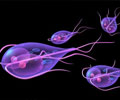
Giardiasis - Causes
Giardiasis is an infection of the small intestine caused by a parasite called Giardia lamblia.
Giardiasis is an infection of the small intestine caused by a parasite called Giardia lamblia.
 Email
Email