MEDINDIA
 English
 हिन्दी
 Español
 français
 中文
中文
Can exercise slow down sarcopenia? Yes, regular practice of exercise during middle age can slow the progression of sarcopenia and reduce aging-related muscle loss.
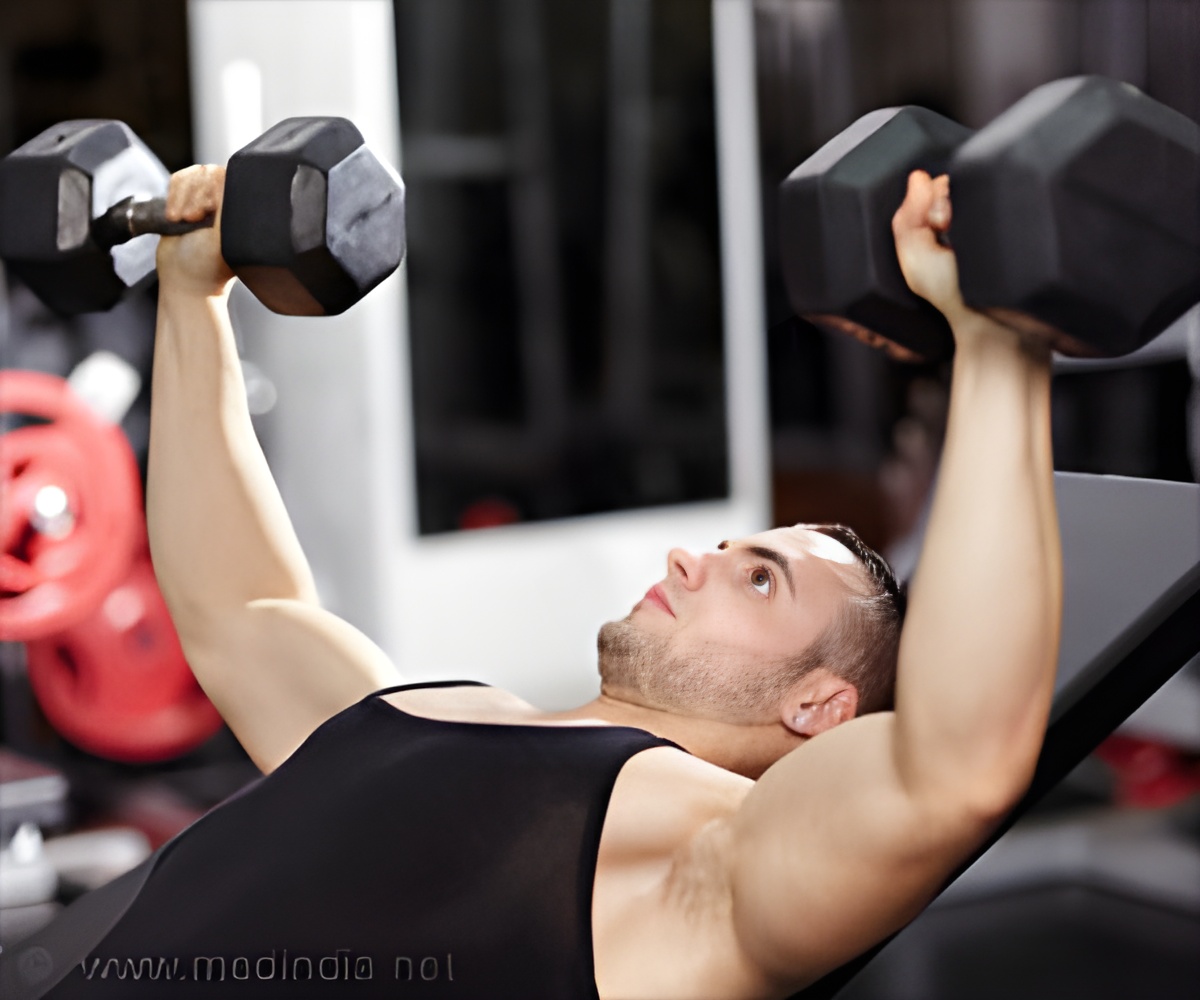
Highlighting the Benefits of Exercising on the Risk of Sarcopenia
The condition significantly impacts their quality of life, and thus, it is crucial to have strategies that prevent its onset. By establishing the association between sarcopenia and exercise, researchers think they might move one step closer to reducing risk factors of sarcopenia in older Japanese adults.
Exercise and Fitness - Benefits - Classification - Options - Kick Off
Exercise is about revamping your lifestyle, not just weight loss. Exercise to get healthy – that way, you’ll last longer at it and get better results.
Exercise is about revamping your lifestyle, not just weight loss. Exercise to get healthy – that way, you’ll last longer at it and get better results.
TOP INSIGHT

Including exercise habits during adolescence and middle age may lower the risk of ‘sarcopenia’ or age-related muscle weakening.
They were further divided into four groups based on their exercise habits in adolescence and older age: no exercise in either period, exercise only in adolescence, exercise only in older age, and exercise in both periods.
Multivariate-adjusted logistic regression models were used to estimate the odds ratios (ORs) for the prevalence of sarcopenia in each group. Low muscle performance was defined as low muscle strength and/or low gait speed.

Boost Bone Health in 12 Simple Ways
More than 6 cups of coffee a day may harm bone health. Fish and olive oil may increase bone density.
More than 6 cups of coffee a day may harm bone health. Fish and olive oil may increase bone density.
In men, the ORs for sarcopenia, low muscle mass, and low muscle performance were significantly lower in the group that exercised during adolescence and older age. In contrast, in women, the OR for low muscle performance was significantly lower in those who exercised during their adolescence and older age.
It’s Time to Push More Young People in Japan Toward Healthier Lifestyle
The findings indicated that older men who exercised in their adolescence and older age were at a lower risk of sarcopenia and had better muscle mass and muscle performance. In contrast, older women with exercise habits during these phases of their lives were at a lower risk of poor muscle performance.
Decoding Key Reasons For a Longer Life Span
The most important factors for a longer and healthier life span are nutrient dense diet, physical exercise, stress free lifestyle, and genetics to some extent
The most important factors for a longer and healthier life span are nutrient dense diet, physical exercise, stress free lifestyle, and genetics to some extent
It is concerning that in Japan, the rate of exercise implementation is highest during junior high school and then rapidly decreases with age.

Top 5 Reasons to 'Dance' Your Way to Good Health with Naatu Naatu!
The physical, mental, and emotional health advantages of dancing are numerous. Let's dance our way to good health with the viral 'Naatu Naatu' dance steps.
The physical, mental, and emotional health advantages of dancing are numerous. Let's dance our way to good health with the viral 'Naatu Naatu' dance steps.
Source-Eurekalert
 Email
Email