MEDINDIA
 English
 हिन्दी
 Español
 français
 中文
中文
New research says that the incidence of a particular type of blood cancer is significantly higher in regions near facilities that release the chemical benzene into the environment.
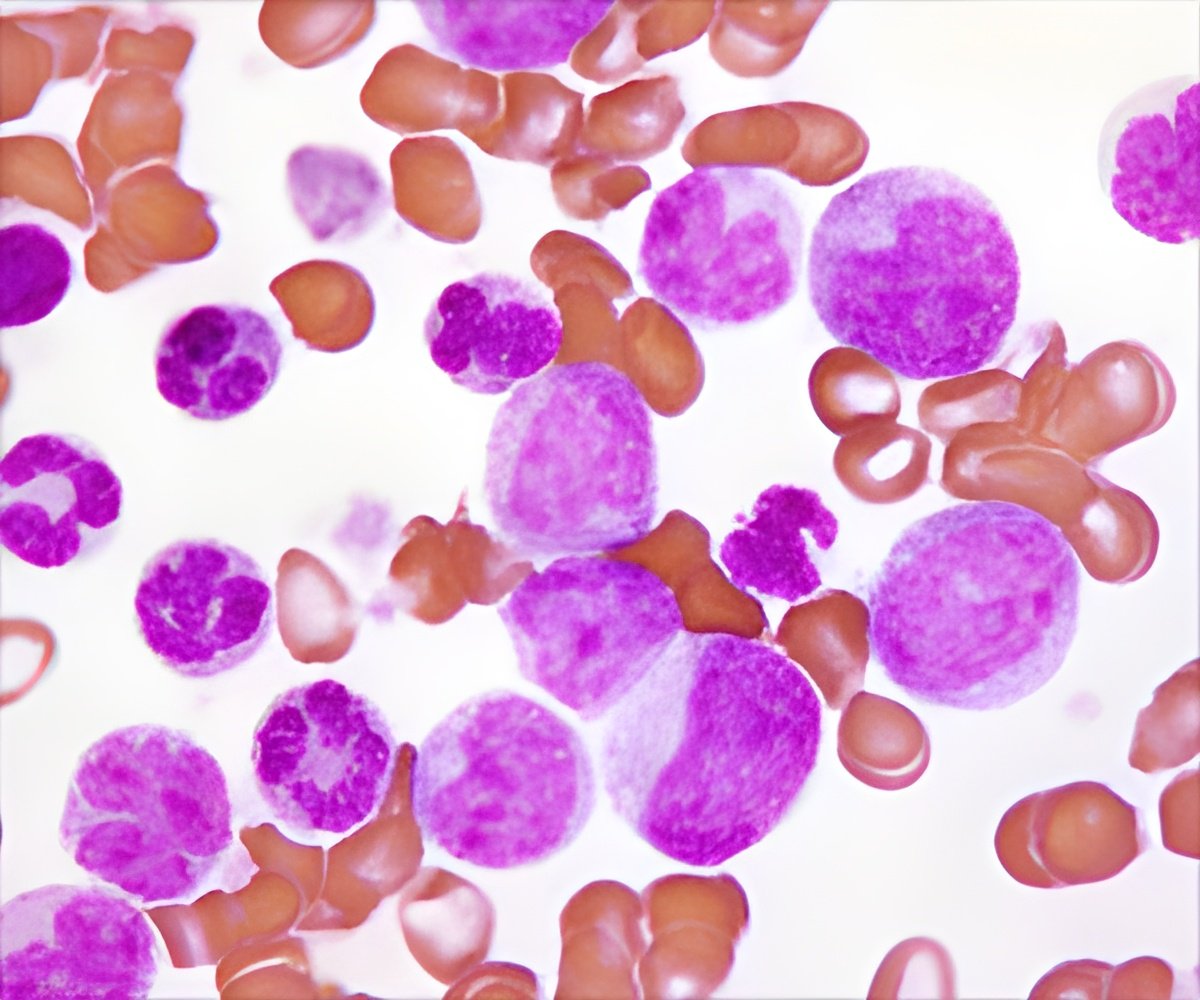
"Our study is the first to examine the relationship between passive benzene exposure and the incidence of non-Hodgkin lymphoma at the state population level," said Bulka. "Our findings are limited without similar studies to corroborate our results, but we hope that our research will inform readers of the potential risks of living near facilities that release carcinogens into the air, groundwater, or soil," she added.
Acute Lymphoblastic Leukemia - Incidence Causes Symptoms Diagnosis Treatment Prognosis
Acute lymphoblastic leukemia (ALL) is the cancer of white blood cells characterized by excess lymphoblasts. It is the most common of all childhood cancers and can be fatal in weeks if left untreated.
Acute lymphoblastic leukemia (ALL) is the cancer of white blood cells characterized by excess lymphoblasts. It is the most common of all childhood cancers and can be fatal in weeks if left untreated.
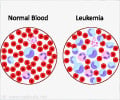
Chronic Lymphocytic Leukemia
Chronic Lymphocytic Leukemia (CLL) is one of the most common types of adult leukemia and is considered as one of the ‘good cancers’.
Chronic Lymphocytic Leukemia (CLL) is one of the most common types of adult leukemia and is considered as one of the ‘good cancers’.
 Email
Email