MEDINDIA
 English
 हिन्दी
 Español
 français
 中文
中文
One treatment offering therapeutic potential for multiple conditions doesn't happen too often.
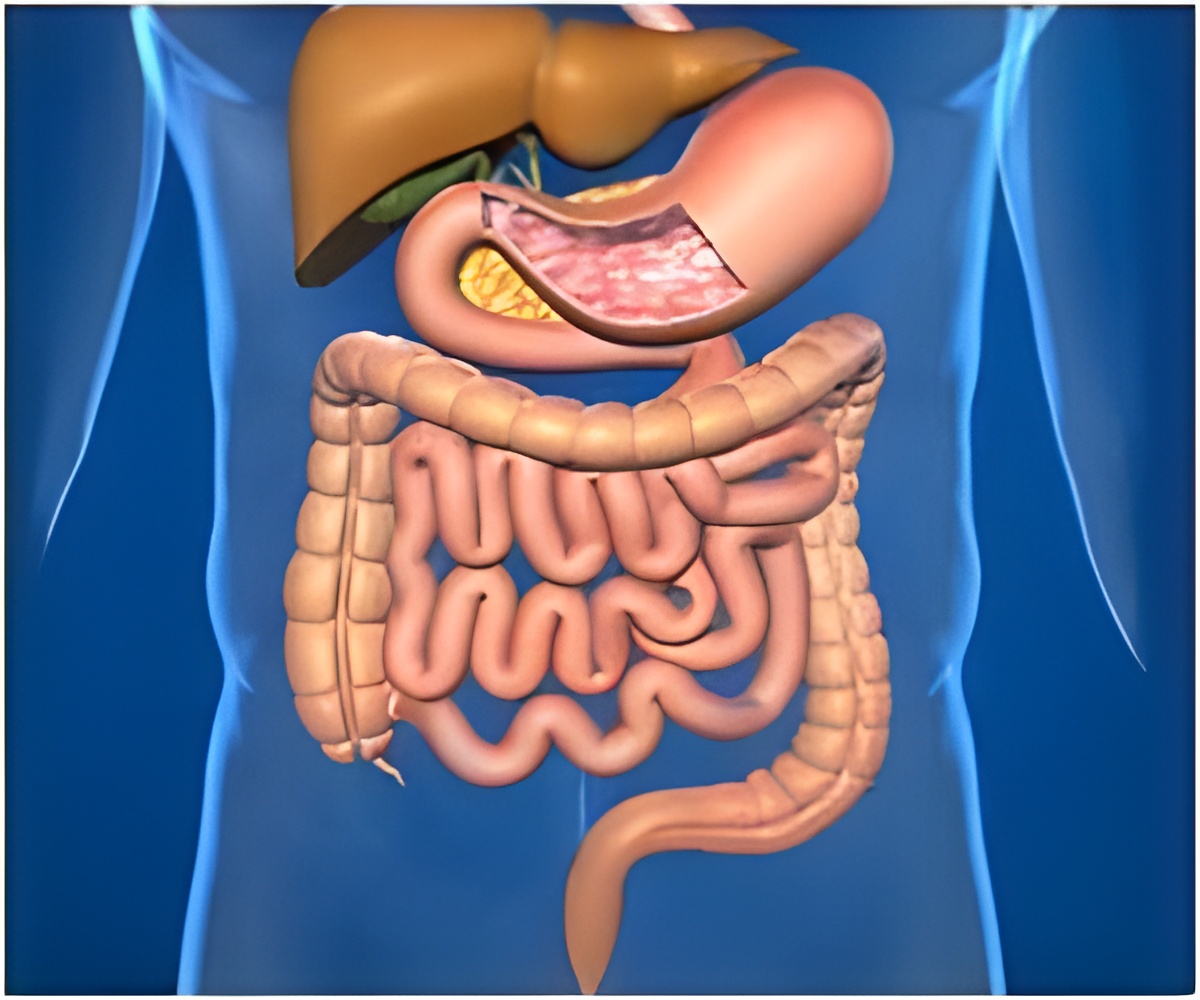

Research Says Intestines may Help Grow Patches of Cells for Heart Repair
Israeli researchers are reporting that they have successfully grown patches of cells for heart repair by conducting experiments on rats.
Israeli researchers are reporting that they have successfully grown patches of cells for heart repair by conducting experiments on rats.
HB-EGF is a protein that stimulates cells to grow and to move. Cell proliferation and migration are critical to wound healing, including the healing of intestinal wounds. In addition, HB-EGF decreases the production of multiple substances that are formed upon intestinal injury and that would normally act to worsen the injury. This allows the protein to protect the intestine from further harm.
To boost the potential protective potency of HB-EGF, Dr. Besner and her lab directed a second study involving stem cell administration, which is increasingly used to protect organs from injury. "We demonstrated that administration of HB-EGF protects the intestines from injury, and administration of mesenchymal stem cells protects the intestines from injury—but treatment with both therapies simultaneously acts synergistically to further protect the intestines from injury."

A Component Of Breast Milk Protects And Repairs Baby's Intestines, Says Study
British scientists have found that an ingredient in human breast milk protects and repairs the delicate intestines of newborn babies.
British scientists have found that an ingredient in human breast milk protects and repairs the delicate intestines of newborn babies.
"The mortality of NEC is too high, despite widespread research on it—if I operate on one of these babies, I have to tell the parents that their baby only has a 50 percent chance of living," Dr. Besner says. "Because of this, I am very motivated to find a cure. Mounting work from our laboratory shows that HB-EGF can protect the intestines from NEC. It is our hope that, in the future, we can administer HB-EGF to newborns most at risk of developing NEC in order to prevent them from developing this devastating disease."

Genetic Mutation Can Affect Your Intestines!
Scientists at The Scripps Research Institute claim to have identified a genetic mutation that may be responsible for causing inflammatory bowel disease (IBD).
Scientists at The Scripps Research Institute claim to have identified a genetic mutation that may be responsible for causing inflammatory bowel disease (IBD).
Source-Eurekalert

Robot-capsule Sticks to Animal Intestines Without Damaging Tissues: Research
A group of Carnegie Mellon University (CMU) researchers have developed a prototype robot-capsule which is adhesive enough to anchor inside an intestine, and yet gentle enough not to tear soft tissue.
A group of Carnegie Mellon University (CMU) researchers have developed a prototype robot-capsule which is adhesive enough to anchor inside an intestine, and yet gentle enough not to tear soft tissue.
 Email
Email