MEDINDIA
 English
 हिन्दी
 Español
 français
 中文
中文
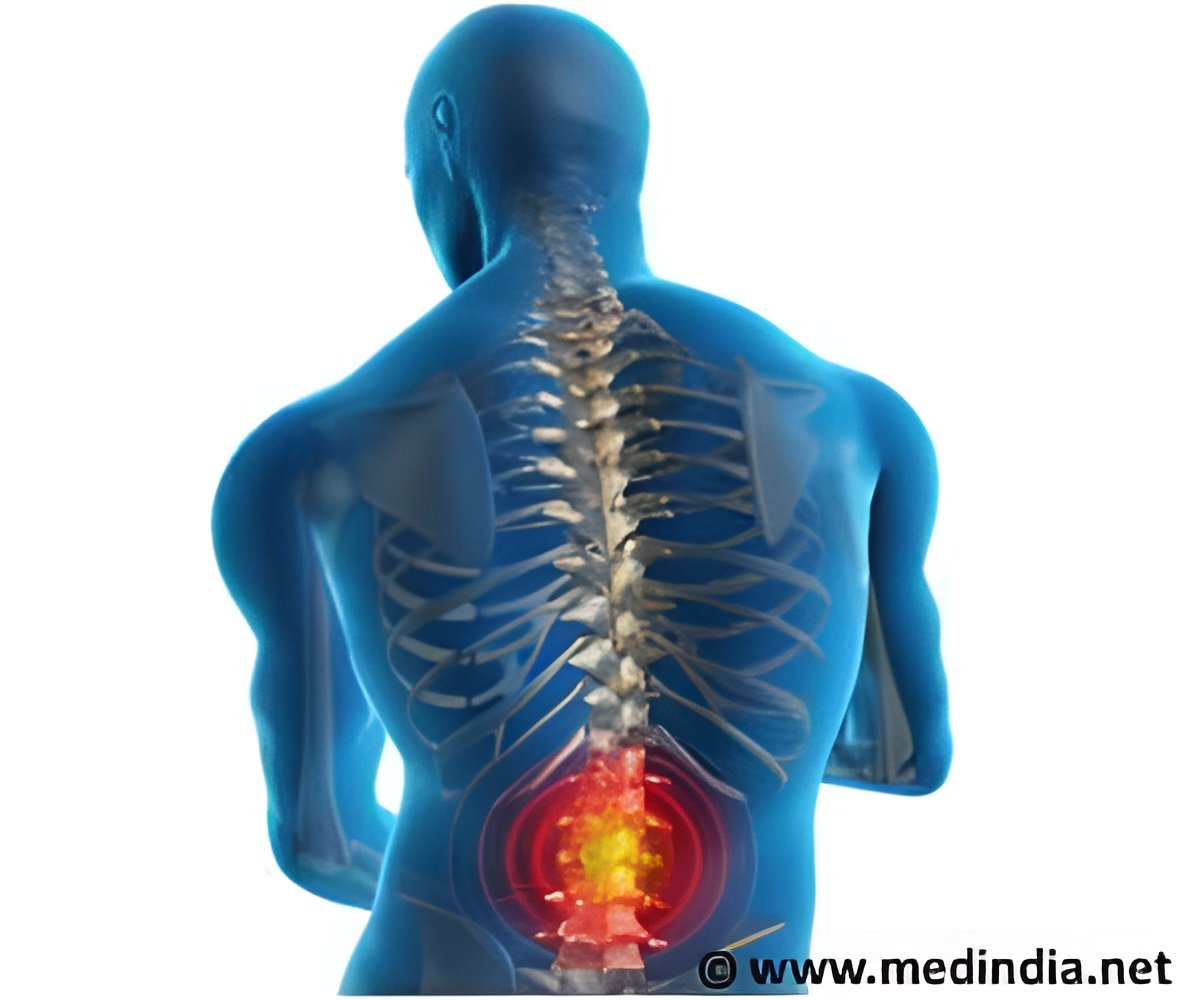
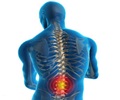
Spinal fusion surgery is done to permanently join together two or more bones in the spine so there is no movement between them and to reduce joint pain.
Karen�s Tryst With Yoga Helps Cure Her Spine
Yoga is the secret to her trim figure, glowing complexion and positive energy, says Kären Anderson Zabé—a Yoga teacher from the West, in an Interview to Medindia.
Yoga is the secret to her trim figure, glowing complexion and positive energy, says Kären Anderson Zabé—a Yoga teacher from the West, in an Interview to Medindia.
TOP INSIGHT

rhBMP is widely used to stimulate new bone formation in patients undergoing spinal fusion: a common procedure to treat spinal pain or instability.
The state cancer registry was used to compare rates of subsequent cancers between patients who had spinal fusion with versus without rhBMP. The two groups were matched in terms of age, sex, and treatment year. The patients averaged 55 years old; none had a previous history of cancer.
At an average follow-up time of about five years, the percentage of patients diagnosed with cancer was almost identical between groups: 2.76 percent in patients undergoing spinal fusion with rhBMP versus 2.62 percent without rhBMP.
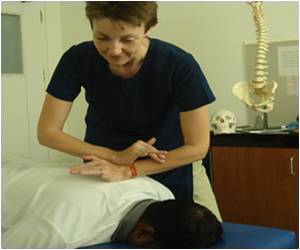
Mind the Spine, the Chiropractic Way
Chiropractors offer healthcare services based on the functioning principle and co-ordination between nervous system and musculoskeletal system.
Chiropractors offer healthcare services based on the functioning principle and co-ordination between nervous system and musculoskeletal system.
The results were similar in subgroups based on the site of the fusion (upper or lower spine) or the surgical method used. Although a few types of cancers were more common in patients receiving rhBMP (uterine, mouth, and liver cancer), the numbers were small and the associations were "within the limits of chance."
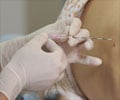
Spinal Anesthesia - Indications, Advantages, Disadvantages, Complications & Side Effects
Spinal anesthesia, a form of regional anesthesia involves the injection of certain anesthetic drugs into a fluid-filled space in which the spinal cord and the nerves arising from it are suspended using a fine long needle.
Spinal anesthesia, a form of regional anesthesia involves the injection of certain anesthetic drugs into a fluid-filled space in which the spinal cord and the nerves arising from it are suspended using a fine long needle.
Previous analyses of data from randomized trials have suggested a two- to three-fold increase in cancer risk among rhBMP recipients. However, those studies had some important limitations, including the relatively small number of patients, short-term follow-up, and the likely incomplete detection of subsequent cancers.
However, all of the studies performed to date share one important limitation: the relatively short duration of follow-up in patients undergoing spinal fusion with rhBMP. Dr. Dettori and colleagues conclude: "While the collective results available are somewhat reassuring, the examination of cancer incidence in patients who have received rhBMP must continue beyond just the first several years in order to assess the potential of rhBMP to influence the occurrence of one or more types of malignancy."
Source-Eurekalert
 Email
Email