MEDINDIA
 English
 हिन्दी
 Español
 français
 中文
中文
Harnessing Mel18 also promises to make it easier to grow functioning heart cells in the laboratory from induced pluripotent stem cells or iPS cells.


New Genetic Tests To Help Identify Mutations Linked To Autism Developed
When CMA and WES tests were combined 16% of families were provided with some genetic clues as the reason for their children to develop autism.
When CMA and WES tests were combined 16% of families were provided with some genetic clues as the reason for their children to develop autism.
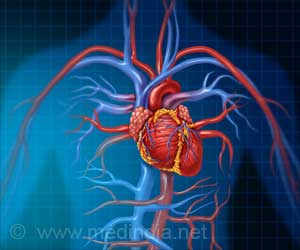
"Faults in the production of the protein called Mel18 in early cardiac cells may play a role in heart defects," noted Dr Croce.
However, the researchers found that Mel18 also serves another unexpected function by turning on particular genes as the cardiac cells begin to develop in the mesoderm. Together, this dual functionality appears to result in the growth of healthy heart tissue.
Researchers Identify Gene Associated With the Initiation of Liver Damage
Because of the known role of miR-182 in mechanisms related to liver cancer, researchers sought to investigate this miRNA in NAFLD-related liver damage.
Because of the known role of miR-182 in mechanisms related to liver cancer, researchers sought to investigate this miRNA in NAFLD-related liver damage.
They may also lead to new ways of controlling stem cells in the laboratory to grow cellular repair kits for patients with damaged hearts.

Researchers Identify Gene That Makes Children Five Times Likelier to Develop Myopia
The gene variant may increase the amount of APLP2 protein produced in the eye, which in turn may cause the eye to undergo excessive elongation.
The gene variant may increase the amount of APLP2 protein produced in the eye, which in turn may cause the eye to undergo excessive elongation.

New Closed-loop Optogenetic Control System Allows Complex Brain Experiments
The new technique will allow for more complicated and nuanced experiments and may set the stage for advanced neurological rehabilitation techniques.
The new technique will allow for more complicated and nuanced experiments and may set the stage for advanced neurological rehabilitation techniques.
 Email
Email