MEDINDIA
 English
 हिन्दी
 Español
 français
 中文
中文
The activity level of regulators in tumors anticipated patients’ outcomes after receiving immunotherapy, stated study.

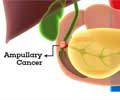
Ampullary Cancer Causes Symptoms Diagnosis Treatment
Ampullary cancer is a rare cancer of the ampulla of Vater that connects the common bile duct and pancreatic duct to the small intestine. Symptoms of ampullary cancer include jaundice, weight loss.
Ampullary cancer is a rare cancer of the ampulla of Vater that connects the common bile duct and pancreatic duct to the small intestine. Symptoms of ampullary cancer include jaundice, weight loss.
TOP INSIGHT

A simple biomarker predicts response/non-response to immunotherapy, and supports ESRRA (Estrogen Related Receptor Alpha) as a therapeutic target.
For the research, which is published in Cancer Discovery, Keith T. Flaherty, MD, the director of Clinical Research at the MGH Cancer Center and a professor of medicine at Harvard Medical School, and his colleagues developed a new computational tool called BipotentR that can identify targets that block immune activation and also stimulate a second user-defined pathway (in this case, metabolism).
Cancer Immunotherapy Resistance
When applied to gene expression data from patients with cancer who were treated with immunotherapy, as well as from cell lines and animal models, the tool identified 38 cancer cell–specific immune-metabolic regulators.The topmost identified regulator, ESRRA (Estrogen Related Receptor Alpha), was activated in immunotherapy-resistant tumors of many types. Inhibiting ESRAA killed tumors by suppressing energy metabolism and activating two immune mechanisms involving different types of immune cells.

Test Your Knowledge on Liver Cancer
Primary hepatocellular carcinoma is a cancer that starts in the liver. The liver is the largest organ in the body situated in the upper right quadrant of the abdomen. The liver is also a common site for cancer deposits (metastases) from other organs. This is referred to as secondary liver cancer and is more common than primary liver cancer.
Primary hepatocellular carcinoma is a cancer that starts in the liver. The liver is the largest organ in the body situated in the upper right quadrant of the abdomen. The liver is also a common site for cancer deposits (metastases) from other organs. This is referred to as secondary liver cancer and is more common than primary liver cancer.
The scientists also demonstrated that BipotentR can be applied to other survival mechanisms used by cancer cells, such as their ability to promote blood vessel formation to increase their blood supply.

Lifetime Risk Calculator for Cancers
What are your chances for developing some common cancers in your lifetime - find out now.
What are your chances for developing some common cancers in your lifetime - find out now.

Cancer Prevention thro' Lifestyle Changes
Did u know that simple changes in lifestyle could lower your cancer risks? Find out how!
Did u know that simple changes in lifestyle could lower your cancer risks? Find out how!
 Email
Email