MEDINDIA
 English
 हिन्दी
 Español
 français
 中文
中文
Australian researchers have identified a protein that could be key to strengthening the immune system. The protein called PU.1 is essential for the development of dendritic cells.
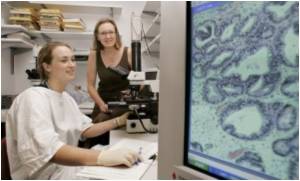
Researchers from the Immunology division of the Walter and Eliza Hall Institute have been studying dendritic cells and how different molecules regulate their development.
Dr Li Wu said one of the molecules that is known to be important to this development is a protein called Flt3 which is a cytokine receptor found on the surface of blood stem cells and the parent cells that give rise to DC.
“Despite its importance in early blood cell development and dendritic cell development, there is surprisingly little known about how Flt3 expression is controlled,” Dr Wu said.

Australian Breakthrough In Alzheimer Research
Researchers at the University of Sydney claim they have identified the trigger for the Alzheimer degeneration. The discovery could open up vistas of a new line of treatment.
Researchers at the University of Sydney claim they have identified the trigger for the Alzheimer degeneration. The discovery could open up vistas of a new line of treatment.
Dr Carotta said PU.1 was already known to be important to the development of blood cells and immune cells. “If PU.1 is poorly regulated there is a deficiency in the development of blood cells and leukaemia can result,” he said.
Dr Wu said this study revealed PU.1 to be a master regulator of DC development. “Although a growing number of transcription factors have been implicated in the development of specific dendritic cell populations, this is the first time a single transcription factor has been shown to be required for all DC lineages,” she said.
Dr Wu said the findings had potential to improve DC-based therapies, such as those given to cancer patients who have suppressed DC function. “The problem is people don’t know how to develop good DC for these therapies,” she said. “By understanding how DC development is regulated it should be possible to create different types of DC populations for therapeutic use.”
Source-Medindia
 Email
Email