MEDINDIA
 English
 हिन्दी
 Español
 français
 中文
中文
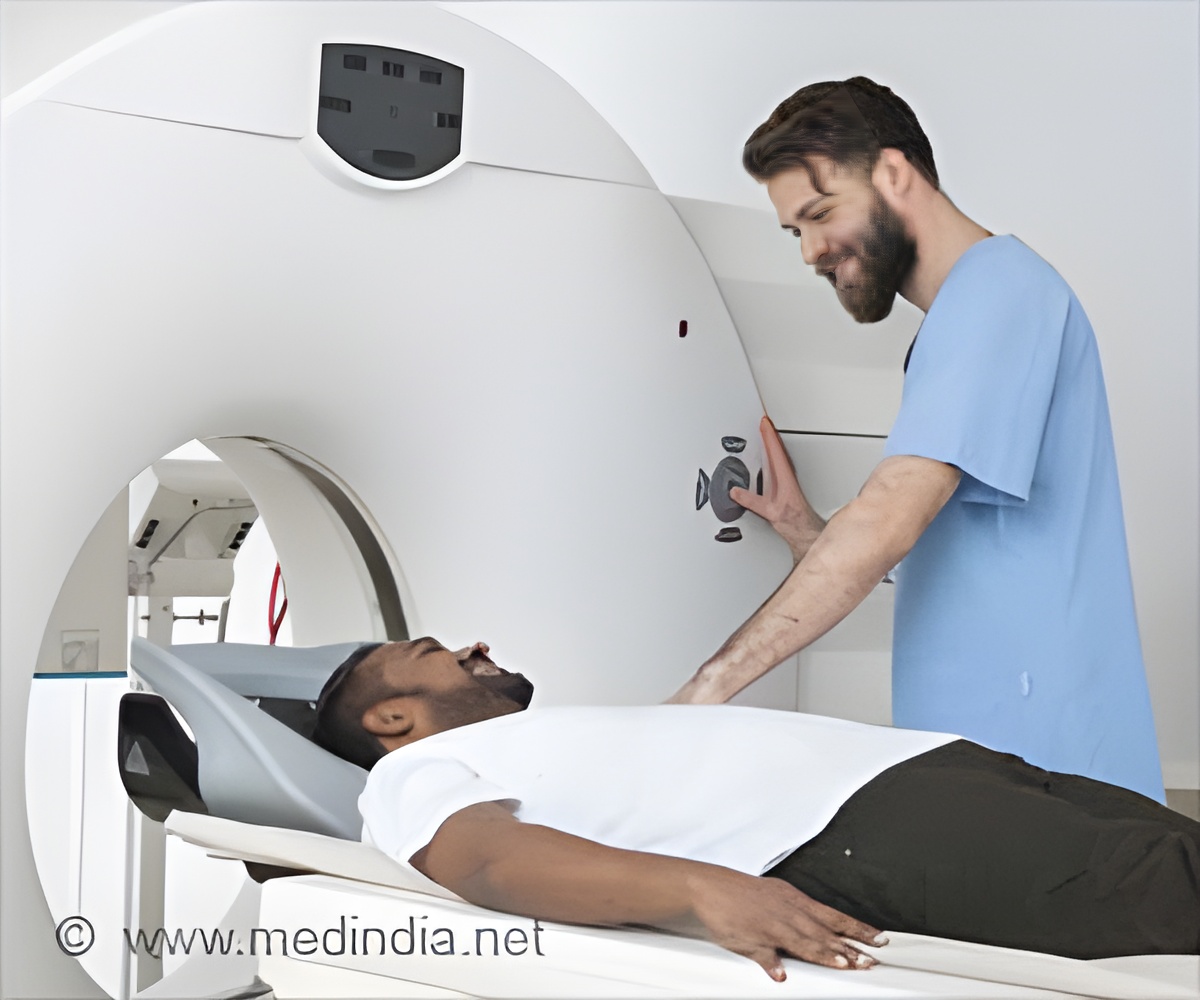
Exercise is safe and recommended in prostate cancer patients receiving treatment, as a moderate bout of exercise keeps the cell count of natural killer immune cells at normal levels. Exercise is also recommended for cancer survivors to reduce the side effects of treatment.
Brachytherapy for Prostate Cancer - Doses, Side Effects, Precautions
Learn about two different types of brachytherapy used for treating prostate cancer. Get information on the latest advances in the field.
Learn about two different types of brachytherapy used for treating prostate cancer. Get information on the latest advances in the field.
TOP INSIGHT

Acute moderate-intensity aerobic exercise can be used without adverse effects on the immune system during prostate cancer treatment. Exercise results in improved strength, body composition and physical function.
Read More..
However, the effects of prostate cancer treatment and acute exercise on the immune system have only been briefly examined. Exercise oncology guidelines were initially based on the responses seen in healthy, older adults. But individuals with cancer have different physiological responses to exercise, many of which we are only just beginning to understand.
Exercise helps the immune system mobilize by causing NK cells to move into the blood and be transported them to areas of need, such as sites of infection or tumors. At the tissues, these cells move out of circulation and in cancer patients they can the infiltrate the tumour and potentially slow the tumor's rate of growth. This has been shown very elegantly in animal models but the exercise and immune response in cancer survivors is limited, with only a few studies in prostate cancer.

Decipher Test for Prostate Cancer - Indications, Procedure & Results
Decipher test a genomic test for prostate cancer that determines the aggressiveness of the cancer and helps in planning the treatment course for the cancer.
Decipher test a genomic test for prostate cancer that determines the aggressiveness of the cancer and helps in planning the treatment course for the cancer.
The researchers chose to use a moderate intensity exercise session that was consistent with current exercise oncology guidelines but was also a bout that would be practical for prostate cancer survivors to perform on their own.
Drugs for Prostate Cancer - Treatment, Side Effects & Precautions
Prostate cancer is the main cause of cancer death in men. One of the treatment method includes prescribing chemotherapeutic or hormonal drugs. These are prescribed depending on the type and stage of cancer.
Prostate cancer is the main cause of cancer death in men. One of the treatment method includes prescribing chemotherapeutic or hormonal drugs. These are prescribed depending on the type and stage of cancer.
To determine immune function, they obtained blood samples before exercise, immediately after and 2h after they finished cycling. The participants then came back the next day (24h) after exercise, and immune function was assessed again after one night of recovery. They also measured several key hormone levels, including adrenaline and noradrenaline, as they play a role in activating and mobilizing the NK immune cells.
External Beam Radiation Therapy for Prostate Cancer
In depth information about various types of external beam radiotherapy for treatment of prostate cancer. Radiotherapy is an alternative to surgical treatment such as radical prostatectomy.
In depth information about various types of external beam radiotherapy for treatment of prostate cancer. Radiotherapy is an alternative to surgical treatment such as radical prostatectomy.
They also showed that the immune cell mobilization with exercise does not appear to be significantly altered during prostate cancer treatment, which provides direct evidence that acute exercise that falls within current oncology guidelines also appears to be beneficial for the immune system.
A limitation of the study is the modest sample size, and also that they examined cytokines and proteins that are related to NK cell function but did not directly assess the killing capacity of the NK cells.
Erik D Hanson, first author on the study said, "One of the most enjoyable aspects of working with these men is how willing these men are to help their fellow prostate cancer survivors. Many of them realize that these studies are not likely to benefit them directly. However, they do not hesitate to volunteer and are willing to do just about whatever is asked of them for the collective good.".
Source-Eurekalert
 Email
Email